SOFT SURVEILLANCE


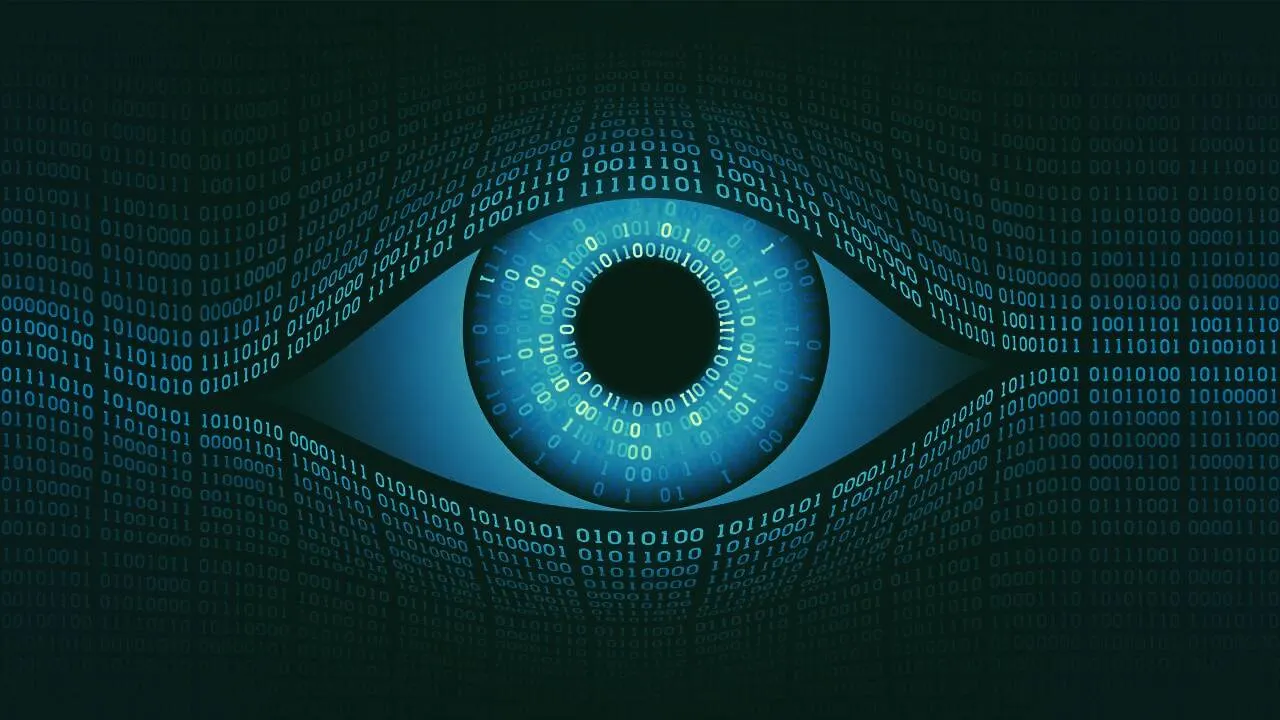
Modern surveillance no longer relies on force or secrecy. It operates through convenience, personalization, and habit. Systems observe behavior because behavior is freely offered. Participation is framed as efficiency rather than exposure. Over time, observation feels passive and harmless. Awareness fades as monitoring blends into routine.
The power of soft surveillance lies in accumulation. Individual actions seem insignificant, but patterns reveal leverage. Predictive systems do not need certainty, only probability. Behavior becomes easier to guide once it is mapped. Control emerges not from commands, but from expectation shaping. The future is nudged, not ordered.
Psychologically, constant observation alters self-regulation. People adapt by narrowing expression and avoiding deviation. Risk becomes reputational rather than physical. Internal restraint replaces external enforcement. This produces compliance without confrontation. Freedom contracts quietly.
Normalization completes the cycle. When monitoring is universal, opting out feels antisocial or impractical. Transparency is demanded from individuals while systems remain opaque. Trust flows upward, accountability does not. Visibility becomes asymmetric by design.
The hard truth is that surveillance succeeds best when it feels optional. Systems do not need to watch everything, only enough to predict. Quiet power belongs to those who understand when visibility becomes vulnerability. What is seen repeatedly becomes steerable.

:max_bytes(150000):strip_icc()/Rgstudio-06d2cace266144b2b9f0c13ef8c4242e.jpg)






Comments
No comments yet, be the first submit yours below.