Why Your Habits Can Feel Impossible to Break

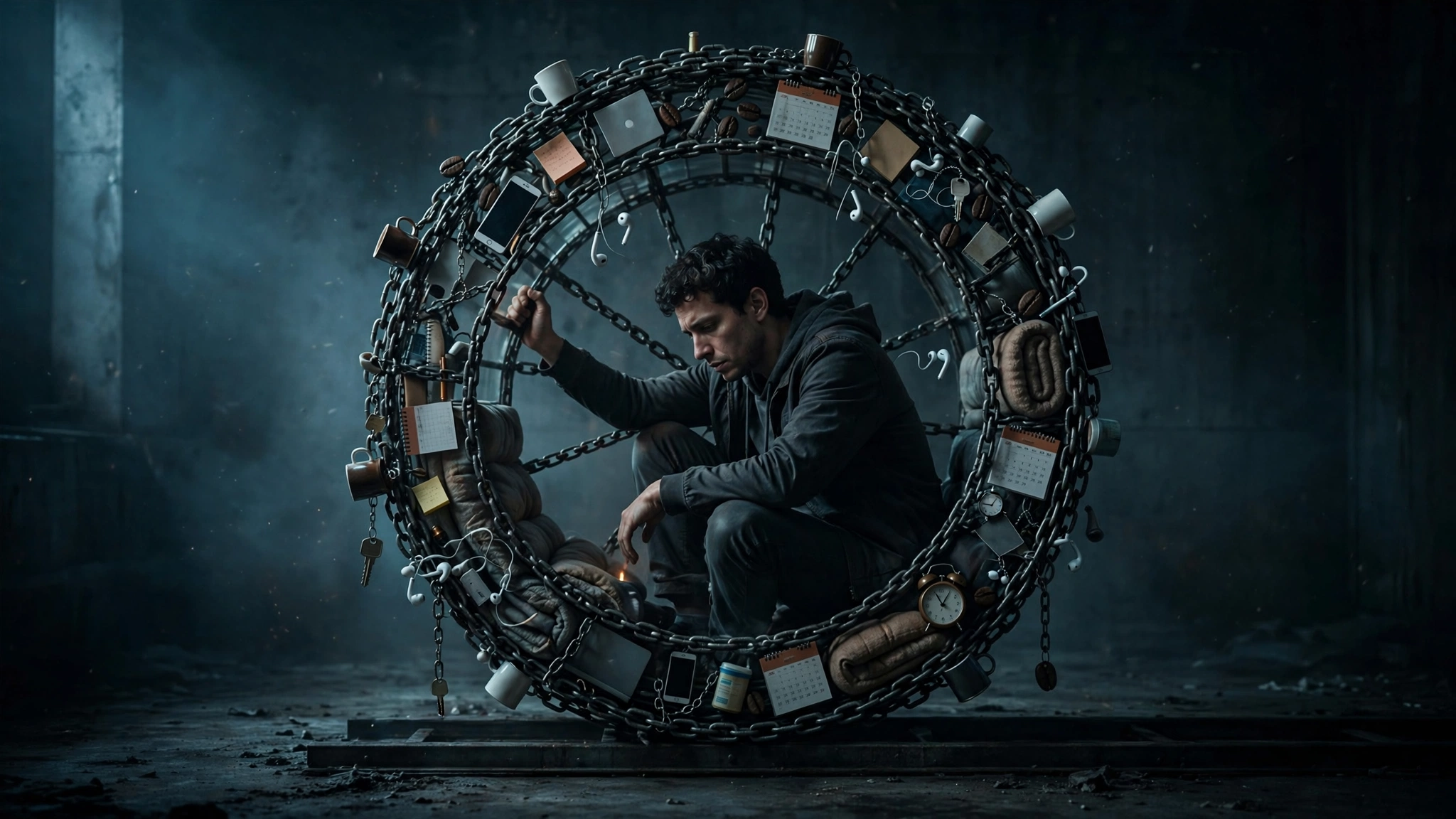
The strongest habits are the ones you stop noticing.
Not every addiction looks obvious. Some habits blend into everyday life so smoothly that they feel normal. Repeated behaviors can become automatic, making it difficult to recognize when something has moved from a choice into a pattern.
The brain learns through repetition.
When a behavior creates a reward—pleasure, relief, distraction, or comfort—the brain remembers that connection. Over time, the trigger and response become linked, creating a cycle that runs with less conscious effort.
Temporary relief can create long-term problems.
Many habits begin because they solve an immediate feeling. The problem comes when the short-term solution starts creating consequences that require the same behavior again to escape them.
Triggers control more than people realize.
Certain places, emotions, times of day, or situations can automatically activate old patterns. Recognizing those triggers is the first step toward changing the cycle.
Replacement works better than resistance alone.
Breaking a habit isn't just about removing something—it’s about building something better in its place. New routines, healthier rewards, and different responses create a new pattern.
Awareness gives you back control.
A habit can feel powerful when it operates unnoticed. Once you understand the cycle, you gain the ability to interrupt it and make a different choice.
The biggest battle isn't always against the habit itself. It's against the invisible pattern that keeps bringing you back to it.




:max_bytes(150000):strip_icc()/GettyImages-103057983-4ea56e613e704344937cd89f50c13cfa.jpg)

Comments
No comments yet, be the first submit yours below.