Using Chess Principles to Improve Everyday Decisions

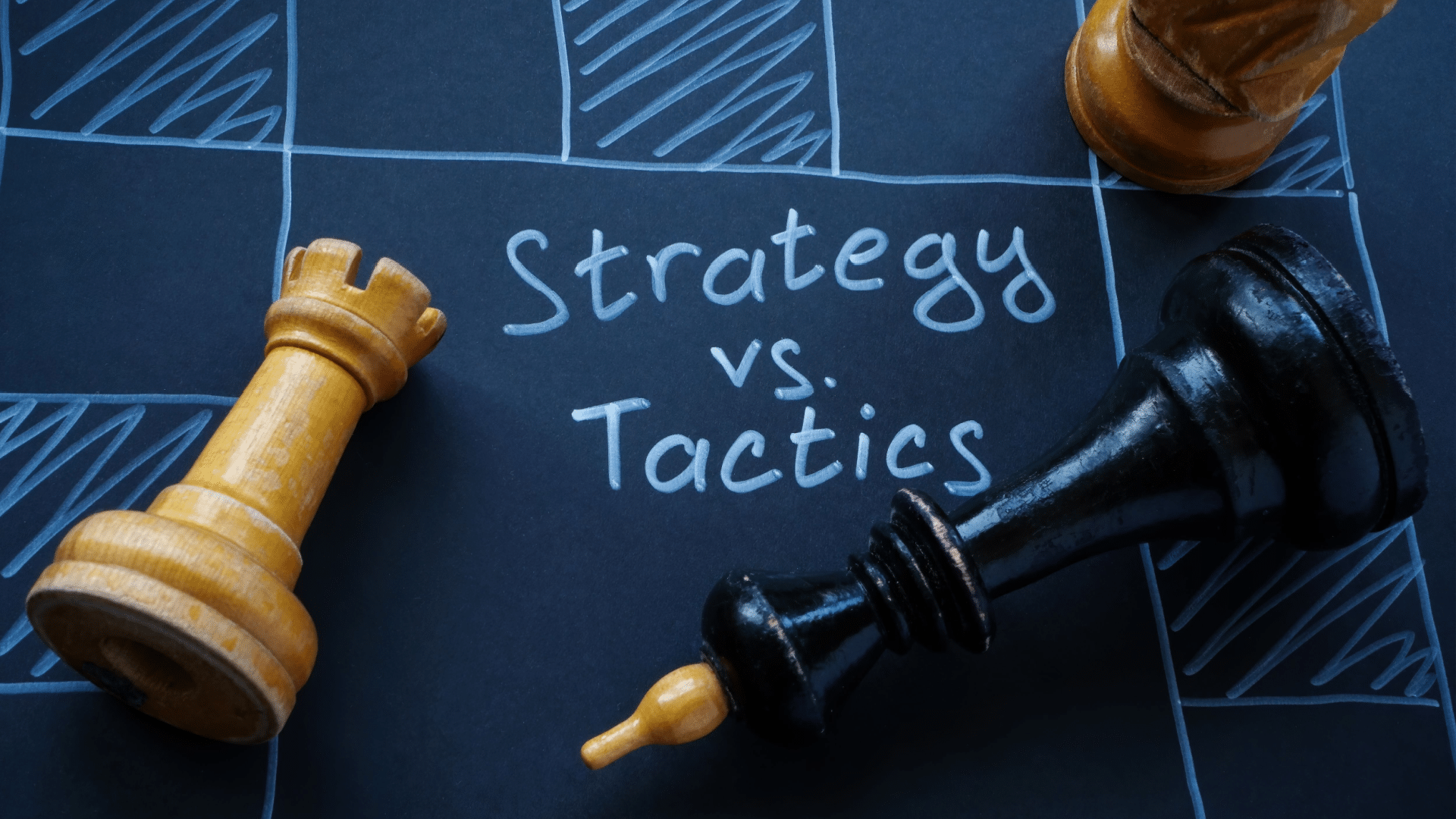
Chess is often seen as just a game, but its lessons extend far beyond the board. In 2026, applying chess principles to everyday life has been a game-changer for making smarter choices, reducing mistakes, and maximizing outcomes. By treating life like a series of strategic moves, you can approach challenges with clarity, patience, and purpose.
1. Think Beyond the Immediate Move
Short-term decisions shape long-term outcomes.
In chess, one poor move can limit options for the rest of the game. Similarly, daily choices—how you spend time, invest money, or interact with others—create cascading effects. Evaluating the long-term impact of decisions is critical for sustained growth and success.
2. Assess Opportunities and Threats
Every situation has risks and rewards waiting to be evaluated.
Chess players analyze the board to identify threats and potential gains. In life, the same approach helps you anticipate challenges, spot opportunities, and plan effective responses before problems escalate.
3. Be Strategic With Your Resources
Time, energy, and attention are your most valuable pieces.
Chess teaches careful allocation of pieces. In life, prioritizing where to spend your resources ensures maximum impact. This means focusing on high-leverage tasks, nurturing important relationships, and conserving energy for critical moments.
4. Embrace Sacrifices When Necessary
Short-term losses can lead to long-term wins.
Sometimes chess requires giving up a piece to gain an advantage. In life, letting go of unproductive habits, outdated beliefs, or distractions can open the way for growth and greater opportunities.
5. Patience and Timing Are Crucial
The right move at the right moment outweighs constant action.
Chess is as much about waiting and observing as it is about making moves. Life decisions also benefit from patience: understanding when to act and when to hold back creates better outcomes than rushing impulsively.
6. Learn From Every Move
Reflection is the key to continuous improvement.
Chess players analyze mistakes to improve future performance. By reviewing your decisions regularly, you can learn what works, adjust strategies, and grow wiser in every area of life.
Final Thought
Applying chess principles to daily life transforms decision-making from reactive to strategic. By evaluating risks, allocating resources wisely, embracing patience, and learning from every outcome, you can navigate 2026 and beyond with intentionality, resilience, and foresight.









Comments
No comments yet, be the first submit yours below.