Thinking Ten Moves Ahead: Applying Chess Strategy to Life and Decision-Making

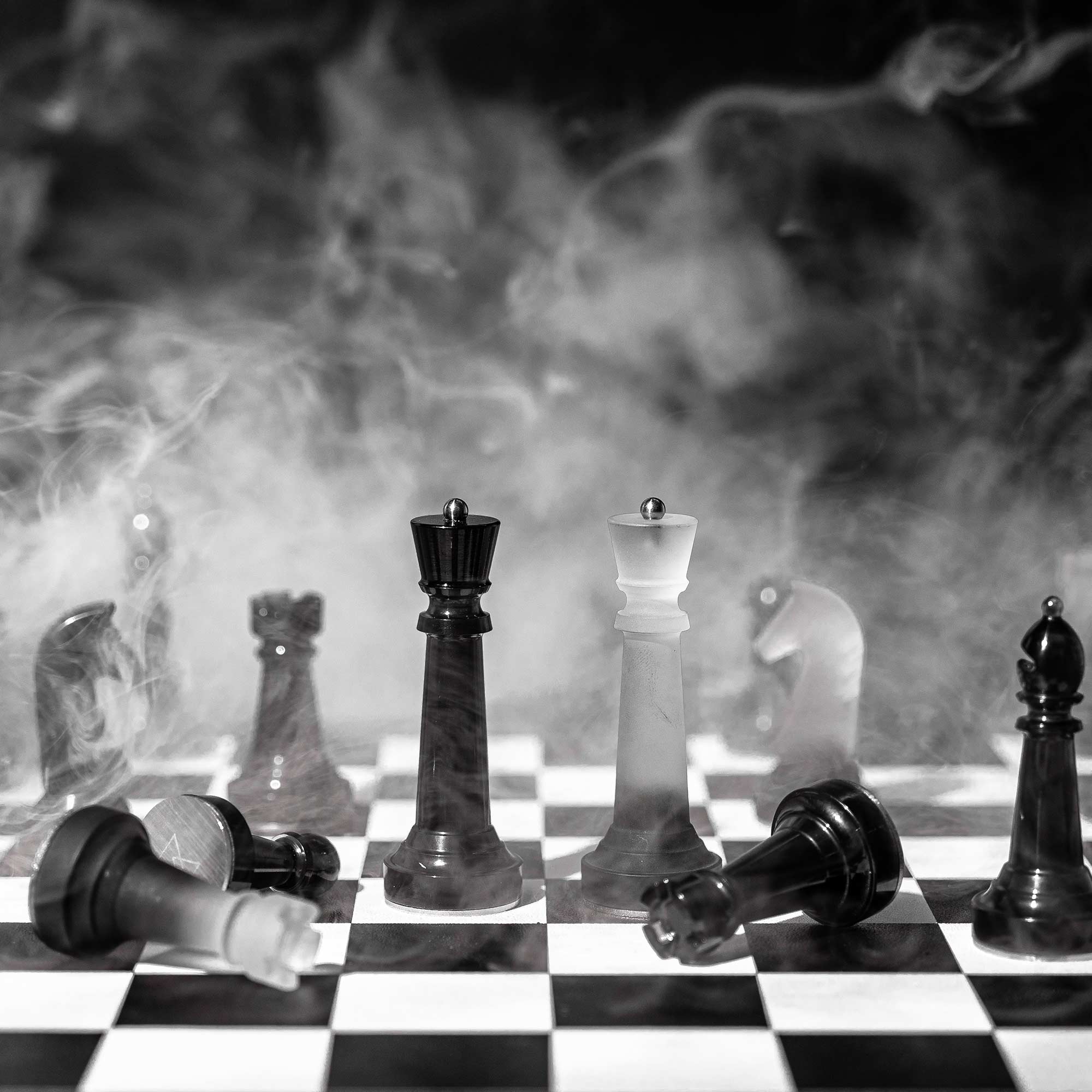
Life is a series of moves with consequences.
Just like in chess, every choice you make has ripple effects. Small decisions accumulate over time to define your position in life. Ignoring minor threats can become fatal mistakes later, while proactive planning builds options and leverage. Life doesn’t give second chances for oversight, and many people fail because they treat it like a reactive game. Thinking only one step ahead is the easiest way to be trapped by circumstance. Strategic awareness allows you to anticipate challenges before they materialize. Decisions aren’t isolated; they interact in complex ways. Recognizing the chain reaction of actions versus consequences is the first step toward mastery. Awareness of patterns differentiates reactive players from proactive strategists.
Patience is a weapon disguised as restraint.
In chess, waiting for the right moment is often more powerful than forcing a play. Life operates the same way. Immediate action can lead to unnecessary losses, while patience builds clarity, information, and leverage. The strongest moves often come after observation, analysis, and timing. People who rush decisions frequently overcommit resources or burn bridges. Patience allows for foresight, calculated risk-taking, and anticipation of others’ reactions. It’s not inaction; it’s positioning. Understanding the value of timing gives you control in unpredictable situations. Deliberate restraint strengthens influence. Those who wait strategically often win in ways that hasty action could never achieve.
Control the center of the board, control your life.
In chess, controlling the center allows freedom of movement and flexibility. Life’s center is your energy, focus, and priorities. When you manage these effectively, you can navigate challenges and opportunities with freedom. Neglecting your center means constantly reacting, limited in options, and vulnerable to external pressure. Focused energy enables offensive moves, defensive preparation, and adaptability. Mastery of your personal “board” starts with prioritizing what matters most. People often scatter resources on distractions, weakening their strategic position. The more control you have over your core, the more influence you exert in broader contexts. The principle is simple but rarely practiced consistently. Centralized strength leads to expanded capability.
Anticipate your opponent, even when invisible.
In life, your “opponent” may not be another person — it could be systems, circumstances, or internal weaknesses. Anticipation requires understanding patterns, motives, and constraints. In chess, ignoring threats leads to checkmate; in life, ignoring challenges leads to failure. Observing trends, analyzing behavior, and predicting outcomes provides leverage. People who fail often react instead of anticipate. Strategic thinkers model possible scenarios before acting. They prepare for contingencies, reducing risk while increasing opportunity. Awareness of hidden factors gives confidence and control. Thinking ahead creates options that others overlook. Success favors those who see the game before it’s played.
Sacrifices are investments, not losses.
Chess teaches that giving up a piece can create long-term advantage. Life operates similarly: short-term losses often enable greater gains. Sacrificing comfort, resources, or time strategically expands future potential. Those unwilling to sacrifice often remain stagnant or reactive. Risk avoidance limits growth. Strategic sacrifices should be deliberate, not impulsive. Each decision must weigh immediate cost against long-term position. Understanding which sacrifices yield leverage separates tactical players from reactive ones. Life is rarely zero-risk, but calculated losses pave the way to compound gains. Patience and courage amplify the return on every sacrifice.
Every move reveals character.
Actions define identity more than intentions. In chess, the style of play reveals priorities, patience, and confidence. In life, the choices you consistently make reveal values, priorities, and resilience. Observation of patterns is critical. Someone who makes reckless moves under pressure often carries the same habits into personal and professional life. Conversely, deliberate, calculated action builds trust and authority. Character emerges in how challenges are approached, not just how success is handled. Self-reflection ensures that your moves align with long-term vision. Consistency over time signals mastery of both game and self. Life is the board where character plays out move by move.
Complexity is an opportunity, not a trap.
Chess positions become more complicated as pieces increase and threats multiply. Life mirrors this complexity through responsibilities, relationships, and opportunities. Complexity often paralyzes those who seek simplicity or instant gratification. Strategic thinkers embrace complexity, understanding that multiple interacting factors create leverage points. By analyzing patterns and dependencies, they find openings others miss. Complexity isn’t chaos — it’s structured challenge. Those who avoid it sacrifice potential advantage for the illusion of safety. Engaging with complexity allows exponential growth in influence, knowledge, and capability. Mastery comes from navigating the tangled paths others fear to enter.
Tempo defines advantage.
In chess, controlling tempo allows you to dictate the pace of the game. In life, momentum works the same way. Making deliberate, timely decisions keeps you ahead of challenges. Hesitation or procrastination surrenders control to circumstances. Those who act decisively while maintaining options create pressure and opportunity. Momentum compounds — small, consistent, well-timed actions amplify over time. Strategic tempo balances speed with positioning. Life punishes indecision more than failure. Controlling rhythm, timing, and pace is a hidden layer of power. Those who understand tempo shape their environment instead of being shaped by it. Timing is often more valuable than raw effort.
Plan, adapt, and never confuse the two.
Strategy is about long-term vision; tactics are about short-term response. Many confuse the two, overplanning for static situations or improvising without direction. Chess teaches the importance of a flexible plan. Life requires the same balance: set a vision, then adapt to reality. Rigidity is dangerous; aimless action is costly. Adaptation should align with the strategic plan, not undermine it. Those who master this balance navigate change gracefully while exploiting opportunity. Planning without adaptation is hubris; adaptation without planning is chaos. Skillful integration ensures resilience and progress. Life rewards those who think multiple moves ahead while responding intelligently to the present.
Endgames reveal mastery.
Chess shows that games are won or lost long after the opening. Endgames require precision, foresight, and clarity. Life is similar: long-term outcomes depend on cumulative decisions, not short-term victories. Maintaining focus, conserving resources, and anticipating the final phase is crucial. Many fail because they celebrate early wins without preparing for sustainability. The final phase often exposes weakness or strength that went unnoticed. Mastery emerges through consistency, patience, and calculation over time. Understanding the endgame allows proactive decisions today. Life strategy isn’t about instant gratification; it’s about positioning for the inevitable conclusion. Those who plan the end dominate the journey.
Reflection transforms experience into knowledge.
Every move, mistake, and victory is a lesson if examined properly. Chess players review games to improve; life requires similar reflection. Without deliberate analysis, experience becomes habit rather than insight. Observing outcomes, questioning motives, and adjusting behavior converts action into skill. Reflection bridges experience and strategy. Those who ignore it repeat mistakes; those who embrace it compound wisdom. The habit of reviewing decisions strengthens judgment, patience, and foresight. Life becomes a classroom where the board is reality itself. Mastery is achieved not through motion alone, but through understanding the implications of every move.










Comments
No comments yet, be the first submit yours below.