The Hidden Architecture of Control: How Systems Shape Your Life

Every system is designed to guide behavior without people realizing it.
From governments to corporations, rules exist to steer choices, often under the guise of fairness or efficiency. These systems create predictable patterns that maintain the status quo and favor certain groups over others. People who blindly follow protocols rarely notice how their options are being constrained. Understanding the invisible architecture reveals hidden levers of control that dictate opportunities, rewards, and risks. Even small changes in behavior can have compounding consequences within these systems. Recognizing these dynamics allows you to navigate structures strategically rather than reactively. Awareness empowers you to question assumptions, identify exploitation, and make intentional decisions. Those who comprehend these hidden forces can anticipate shifts and take advantage of loopholes. Knowledge of systemic design transforms perceived limitations into actionable insights. Every rule has a purpose, often serving control rather than fairness.
Information you don’t receive is often more powerful than the information you do get.
Silence, omission, and selective disclosure shape perception just as effectively as overt messaging. Governments, corporations, and media entities curate information to guide attention and influence behavior. Missing context can create false conclusions, blind spots, and miscalculations. Recognizing gaps in knowledge is a skill that allows you to investigate deeper and question assumptions. Those who rely only on readily available information are easily manipulated. Strategic inquiry involves cross-referencing sources, identifying biases, and anticipating hidden motives. Being proactive about uncovering information turns invisibility into leverage. Understanding the unseen allows you to make informed choices that others cannot. By noticing what is intentionally hidden, you gain insight into power structures and how they maintain influence. Knowledge gaps, once identified, become opportunities to act with foresight rather than reaction.
Credit, access, and visibility are modern tools of control.
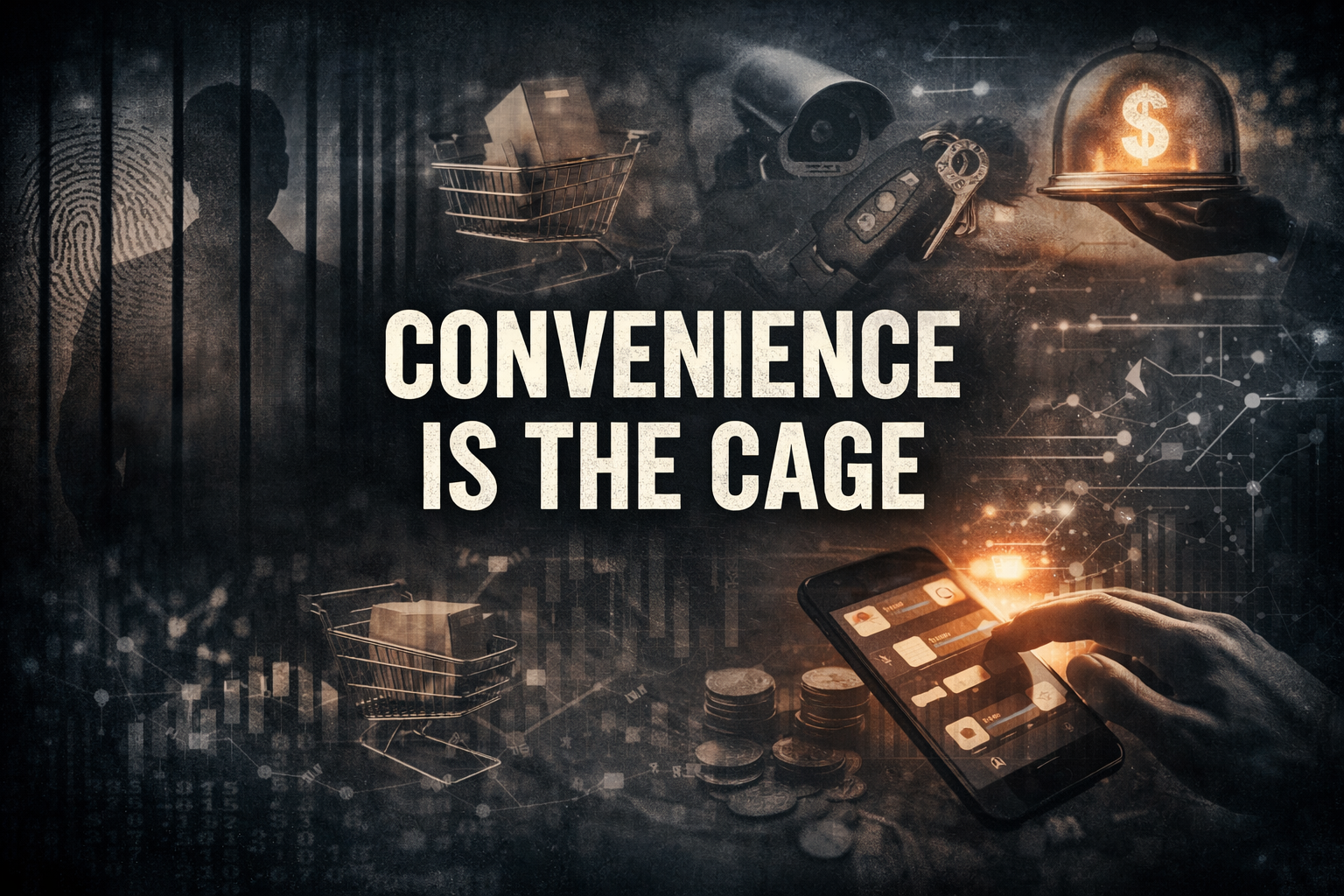
Financial systems, social networks, and digital platforms assign value, visibility, and opportunity through mechanisms that are often opaque. A low credit score can limit housing and employment opportunities, while algorithms dictate which voices are amplified or silenced online. These tools shape outcomes subtly but profoundly, creating an uneven playing field. Understanding how they operate allows strategic positioning and anticipation of barriers. It’s not just about playing by the rules — it’s about mastering the system to create leverage. Awareness of these invisible levers reduces vulnerability and opens paths that others may not notice. Those who manipulate their visibility, credibility, and access intelligently can bypass obstacles imposed by these systems. Recognizing these mechanisms is the first step toward reclaiming control and making intentional moves. Systemic literacy transforms dependency into empowerment. Visibility, access, and credibility are forms of currency in the modern landscape









Comments
No comments yet, be the first submit yours below.