Thinking Ten Moves Ahead: Applying Chess Strategy to Life

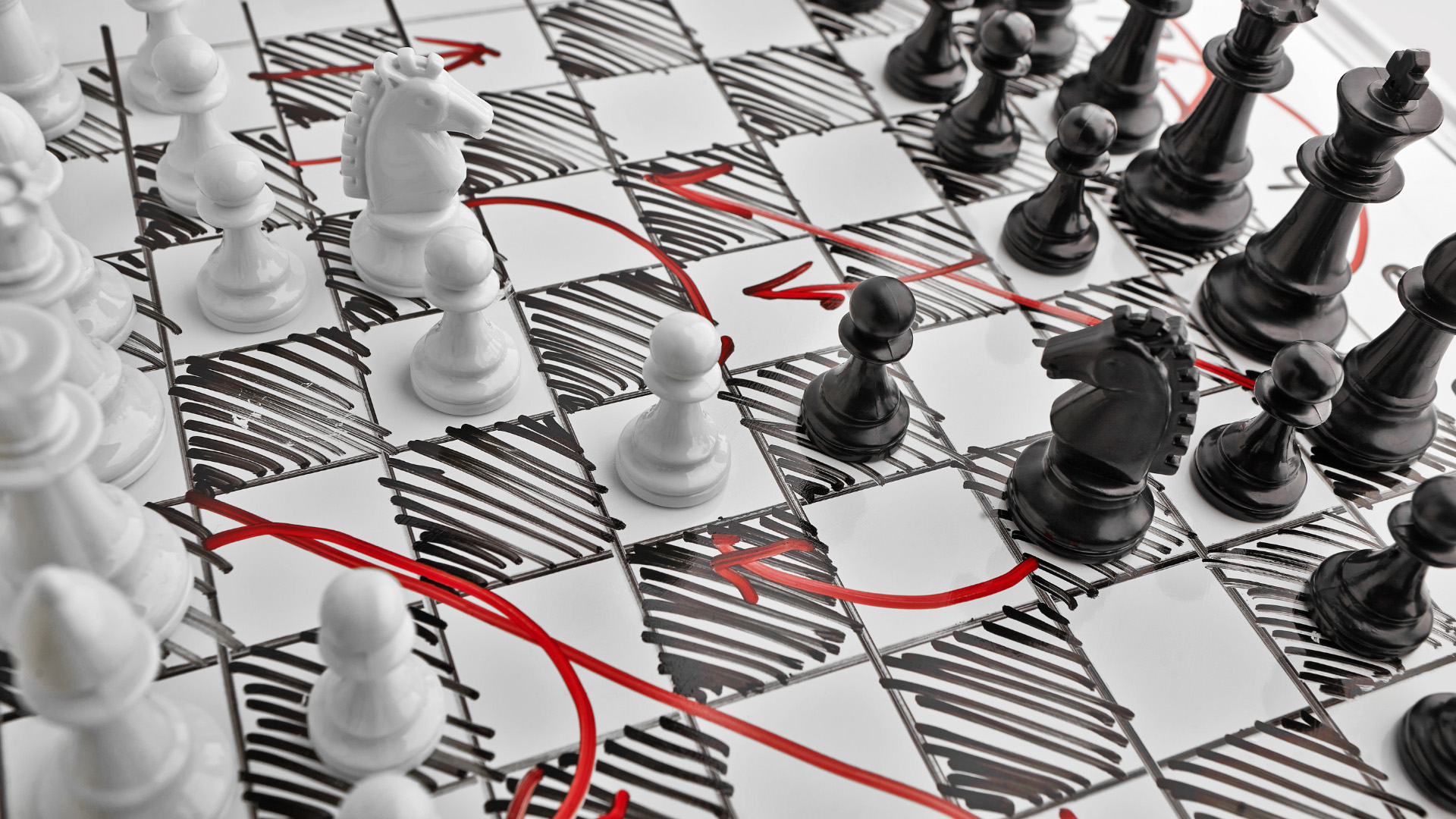
Every move has consequences, immediate and delayed.
In chess, one small misstep can cascade into a series of losses, and life is no different. Every decision, from daily routines to career choices, creates a chain reaction that affects outcomes down the line. Strategic thinkers weigh both immediate effects and long-term impact before acting. Impulsive moves can compromise opportunities, while thoughtful planning maximizes advantage. Awareness of consequences allows individuals to anticipate challenges, adjust tactics, and mitigate risk. Every choice carries trade-offs, and understanding these helps prevent regret and wasted effort. Chess teaches that foresight, patience, and evaluation are critical to winning. Life strategy benefits from the same principles, turning calculated actions into cumulative advantage. Recognizing the ripple effect of decisions is essential to mastering complex environments. The disciplined assessment of moves ensures that progress is deliberate and sustainable.
Control the center to control the game.
In chess, dominating the center of the board provides flexibility, options, and influence over the opponent. Similarly, in life, focusing on core areas—health, finances, relationships, and skills—grants leverage in other domains. Neglecting foundational areas leaves you vulnerable to disruption and limits opportunities. Strategic focus ensures resources are applied where they have maximum impact. Maintaining balance and dominance over key aspects allows for adaptability when challenges arise. By investing in your "center," you control tempo, initiative, and influence. Every strong position provides a springboard for further progress. Weak centers create reactive, constrained decisions and limit long-term success. Chess demonstrates that strong positioning outweighs short-term tactics. Life, like chess, rewards those who master the foundation before expanding influence.
Anticipate your opponent — and your future self.
Chess requires reading your opponent’s intentions, predicting their moves, and countering effectively. Life demands similar foresight: anticipate market changes, interpersonal reactions, and personal limitations. Understanding others’ perspectives allows for strategic alignment or defense. Equally important is anticipating your own behavior, biases, and emotional responses. Planning for future self-discipline, fatigue, or temptation prevents mistakes and ensures consistency. Strategic foresight reduces surprises, minimizes risk, and positions you for advantage. Chess teaches pattern recognition and scenario planning, which translate directly into life strategy. By thinking ahead, you maintain initiative and avoid being reactive. Anticipation empowers adaptability, resilience, and calculated risk-taking. Mastering this principle creates confidence in complex, dynamic environments.
Sacrifice is sometimes necessary for long-term gain.
Chess players often give up material to achieve positional advantage or set up a winning strategy. In life, similar sacrifices—time, comfort, or immediate gratification—are necessary to achieve bigger goals. Recognizing when a temporary loss leads to future gain separates strategic thinkers from the shortsighted. Sacrifice requires evaluation, courage, and patience to ensure it aligns with overarching objectives. Misjudged sacrifices create setbacks, while deliberate ones unlock opportunities. Understanding opportunity cost is critical in both chess and life. Strategic investment in relationships, skills, or ventures often requires giving up lesser rewards for higher leverage. Sacrifice is a tool, not a sign of weakness; it signals control and foresight. Those who master it consistently build compounding advantages. Disciplined sacrifice accelerates growth and positions you for long-term success.
Flexibility and adaptation win more games than rigidity.
Rigid strategies fail when circumstances shift unexpectedly. Chess champions adjust openings, respond to threats, and seize emerging opportunities. Life, similarly, demands adaptability in the face of economic shifts, interpersonal dynamics, and personal growth challenges. Flexibility allows creative solutions, preserves resources, and turns potential setbacks into advantage. Strategic thinkers develop multiple contingency plans, diversify approaches, and remain open to feedback. Adaptation requires situational awareness, emotional resilience, and continuous learning. Overcommitting to a single strategy can lead to stagnation or failure. Chess teaches that maintaining options preserves initiative and control. By cultivating adaptability, individuals navigate uncertainty with confidence. Flexibility transforms obstacles into pathways for progress and long-term achievement.








Comments
No comments yet, be the first submit yours below.