The Addiction Loop: How Dopamine Is Quietly Engineering Your Life

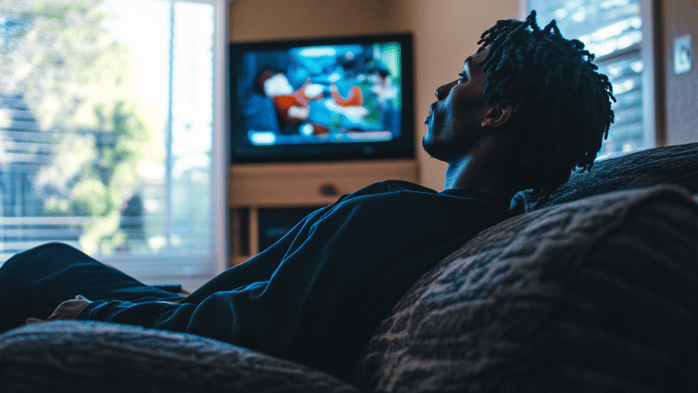
The Slot Machine in Your Pocket
You don’t check your phone because you need to. You check it because you might get something. A message. A like. A notification. That “maybe” is the hook. Platforms like Instagram, TikTok, and YouTube are engineered around variable rewards — the same psychological mechanism that makes casinos addictive.
The unpredictability is the drug. If every post got the same engagement, you’d get bored. But sometimes it hits. Sometimes it spikes. That inconsistency keeps your brain refreshing. Swipe. Scroll. Pull the lever again.
Dopamine Isn’t Pleasure
Most people misunderstand dopamine. It’s not happiness. It’s anticipation. It’s the chemical that says, “Do that again.” When you post content and wait for feedback, your brain enters a micro-gamble. Did it hit? Did it flop? That emotional swing trains behavior faster than discipline ever could.
This is why you can spend hours consuming content you don’t even enjoy. You’re not chasing joy. You’re chasing the possibility of stimulation. And the more overstimulated you get, the harder it becomes to focus on slow, meaningful work.
The Cost of Constant Stimulation
Attention is a finite resource. Every notification fractures it. Every scroll session trains your brain to prefer novelty over depth. Over time, long-form thinking feels uncomfortable. Silence feels empty. Stillness feels wrong.
That’s not weakness. That’s conditioning. The brain adapts to the environment it’s fed. If your daily rhythm is short bursts of digital reward, your patience shrinks. Your tolerance for boredom collapses. And boredom is where strategy is born.
Break the Loop, Regain Leverage
You don’t have to delete everything and disappear. But you do need awareness. Turn off non-essential notifications. Create phone-free blocks of time. Separate creation from consumption. Train your mind to sit in discomfort without reaching for stimulation.
The goal isn’t abstinence. It’s control. When you choose when to engage instead of reacting automatically, you reclaim agency. You move from stimulus-driven to intention-driven.
Why This Matters Beyond Screens
The addiction loop doesn’t stop at social media. It shows up in junk food, impulsive spending, toxic relationships, and outrage cycles. Quick reward. Quick crash. Repeat. Once you see the pattern, you start recognizing it everywhere.
Power begins with awareness. The system thrives on distracted minds. Focused minds build empires. If dopamine is being used to steer your behavior, the real flex is steering it back. Slow down. Delay gratification. Build depth in a world addicted to speed.







Comments
No comments yet, be the first submit yours below.