Using the “Sacrifice Principle” to Win in Life, Not Just Chess

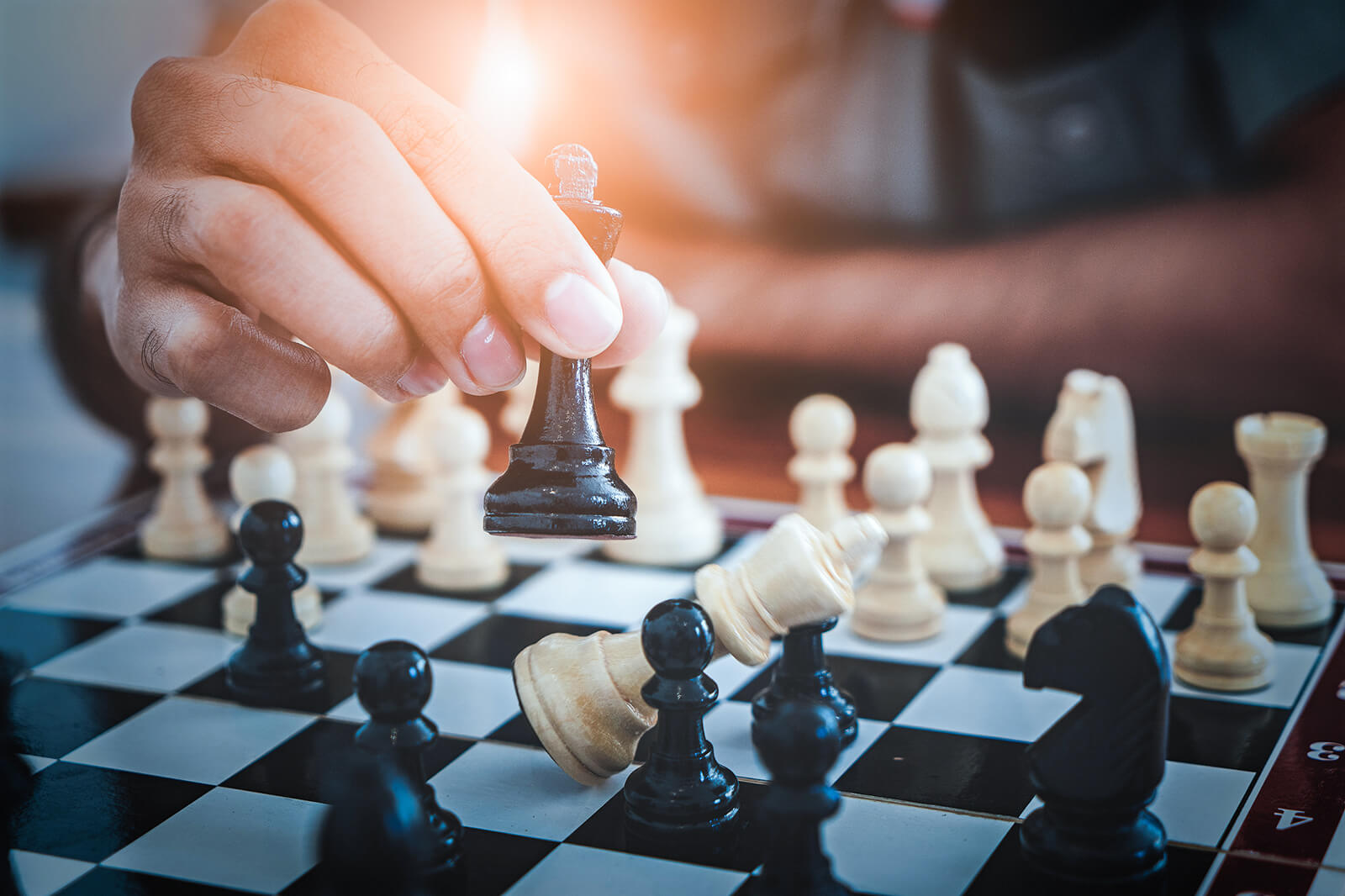
In chess, sacrificing a piece can feel counterintuitive, but it often creates a strategic advantage. The same principle applies to life and long-term strategy. Sacrifices can be time, comfort, money, or immediate gratification. By giving up short-term gains, you create opportunities for larger, more impactful outcomes. Most people resist sacrifice because it feels like loss, but in reality, deliberate and calculated sacrifices can lead to exponential returns over time. Understanding when and how to sacrifice is a key skill in both the board game and the game of life.
The first step in applying the sacrifice principle is assessment. In chess, you evaluate the board, the positions of opponents, and the potential benefits of a temporary loss. In life, this translates to analyzing your resources, understanding your environment, and determining which short-term concessions can produce long-term gains. This might mean delaying pleasure, investing money, or giving up a minor opportunity in exchange for something more valuable later. Without careful assessment, sacrifices can become losses, making strategic thinking essential.
Timing is critical. Sacrificing too early or too late can destroy potential advantages. In life, this might involve investing in education, networking, or personal development at the right moment. Miss the timing, and the opportunity diminishes. Like in chess, knowing the rhythm of events, anticipating opponents’ or competitors’ moves, and preparing for multiple scenarios improves the effectiveness of any sacrifice. Strategic patience ensures that the cost is outweighed by the eventual benefit.
Another essential component is risk management. Every sacrifice carries risk; losing too much without adequate compensation can lead to permanent setbacks. In chess, you might sacrifice a pawn to trap an opponent’s queen. In life, you might forego immediate income to gain experience or influence. Weighing potential rewards against possible losses helps mitigate danger while maximizing strategic advantage. Smart sacrifices are calculated, not impulsive.
Sacrifices also build credibility and influence. In relationships, career paths, or social dynamics, people notice when you prioritize long-term success over immediate self-interest. This generates trust, positions you as forward-thinking, and increases leverage in negotiations or collaborations. In chess, sacrificing a piece signals intent and can manipulate the opponent’s choices. In life, strategic sacrifice signals vision and discipline, shaping the environment around you.
Emotional discipline is required to execute sacrifices effectively. Humans naturally fear loss, and the instinct to protect what we have is strong. Mastering the psychological aspect of sacrifice allows you to follow through even when discomfort is high. Accepting temporary setbacks as part of a broader strategy is challenging but crucial. Emotional intelligence ensures that sacrifices are rational and purposeful rather than reactive or impulsive.
Observation and adaptation amplify the effectiveness of sacrifice. In chess, you monitor how your opponent reacts to your move and adjust your plan accordingly. Life requires the same flexibility. Sacrifice creates opportunities, but the environment must be read continuously to take advantage of openings and mitigate threats. Strategic adjustment allows you to pivot when circumstances change, turning potential losses into advantages.
Finally, sacrifice builds long-term resilience. Each intentional trade-off strengthens decision-making, improves risk assessment, and fosters patience. Over time, the habit of strategically giving up short-term benefits prepares you to navigate complex challenges, negotiate more effectively, and pursue higher goals. Life rewards those who understand that sometimes losing a small piece today secures the entire board tomorrow. Mastering sacrifice is mastering the rhythm of life.










Comments
No comments yet, be the first submit yours below.