How Chess Improves Decision-Making Skills in High-Stakes Situations

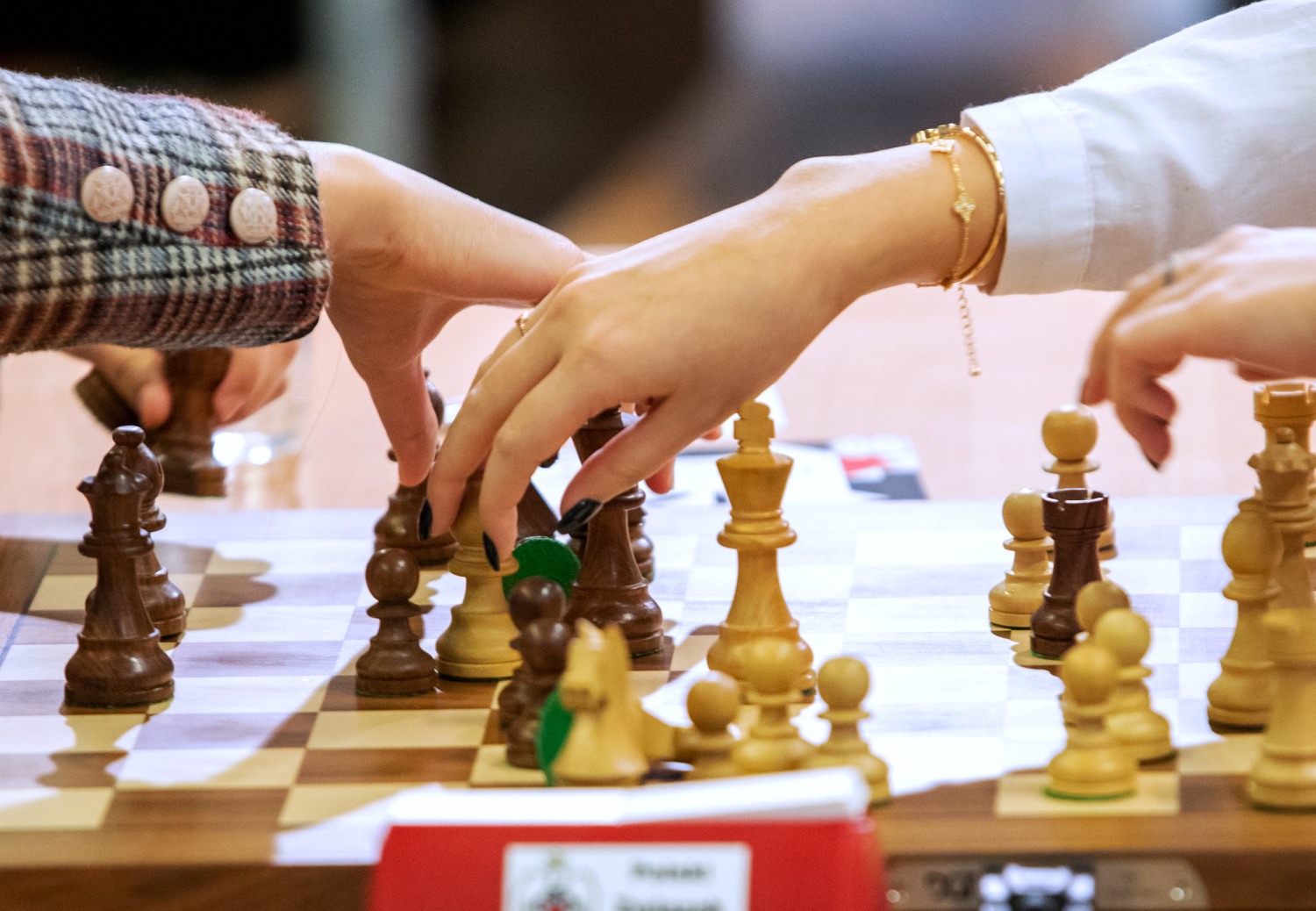
Chess is more than a game; it’s a training ground for high-stakes decision-making. Players constantly evaluate multiple variables, anticipate opponents’ responses, and weigh short-term sacrifices against long-term gains. This process mirrors real-life scenarios where choices have consequences beyond immediate outcomes. The mental discipline developed through chess enhances critical thinking, strategic planning, and emotional control, skills that are transferable to business, finance, and personal challenges.
Pattern recognition is one of chess’s most valuable lessons. Experienced players identify recurring configurations and respond quickly with optimal strategies. In life, recognizing patterns allows individuals to predict outcomes, assess risks, and make proactive decisions. Chess teaches players to see beyond the obvious, analyzing multiple possibilities simultaneously to find the path that maximizes advantage while minimizing exposure to threats.
Risk management is central to both chess and life strategy. Each move carries potential gain or loss, forcing players to calculate probabilities and anticipate consequences. Decision-making under uncertainty requires weighing risk versus reward, considering both immediate and downstream impacts. Those who train in chess develop a comfort with calculated risk, learning to act decisively even when information is incomplete or ambiguous.
Emotional control is another transferable skill. High-pressure chess situations test patience, focus, and resilience. Mistakes or unexpected moves by an opponent can provoke frustration, but success requires remaining calm and objective. Similarly, life often presents unforeseen challenges that can trigger impulsive reactions. Chess conditions the mind to respond strategically rather than emotionally, improving performance in stressful situations.
Strategic thinking in chess involves planning several moves ahead. Players must anticipate counter-moves, consider multiple scenarios, and adapt dynamically as the game evolves. This mirrors professional and personal decision-making, where foresight and adaptability are critical. Those trained in chess learn to build flexible strategies, responding to changing conditions without losing sight of overarching goals.
Resource allocation in chess—managing pawns, pieces, and positioning—teaches efficiency and prioritization. Life, too, requires allocating time, energy, and resources effectively to achieve objectives. Understanding which assets are critical, when to sacrifice short-term gains, and how to leverage limited resources mirrors lessons learned over countless chess games. Players develop a mindset of optimizing opportunities rather than reacting passively to circumstances.
Observation and analytical skills are honed through constant evaluation of the board. Chess players learn to read the opponent’s strategy, detect threats, and identify weaknesses. In life, these skills translate to reading situations, understanding motivations, and detecting patterns of behavior. Anticipation and analysis reduce mistakes and improve strategic outcomes in both professional and personal contexts.
Chess also encourages learning from mistakes. Every lost game provides insight into miscalculations, oversight, or flawed assumptions. Reflection, adjustment, and continuous improvement are central to mastery. Life strategy benefits from the same iterative process: evaluating failures, adjusting plans, and applying lessons to future decisions. The discipline of learning from errors fosters resilience and long-term growth.
In conclusion, chess develops decision-making skills that extend far beyond the board. Pattern recognition, risk assessment, strategic planning, resource management, emotional control, and iterative learning all translate to real-world scenarios. Individuals who integrate chess principles into their lives gain an advantage in navigating high-stakes situations with clarity, foresight, and efficiency. Mastering the game is, in essence, mastering the art of strategic thinking itself.






Comments
No comments yet, be the first submit yours below.