The Convenience Trap: How Easy Choices Can Cost More Than You Think

Introduction: Understanding the Convenience Trap
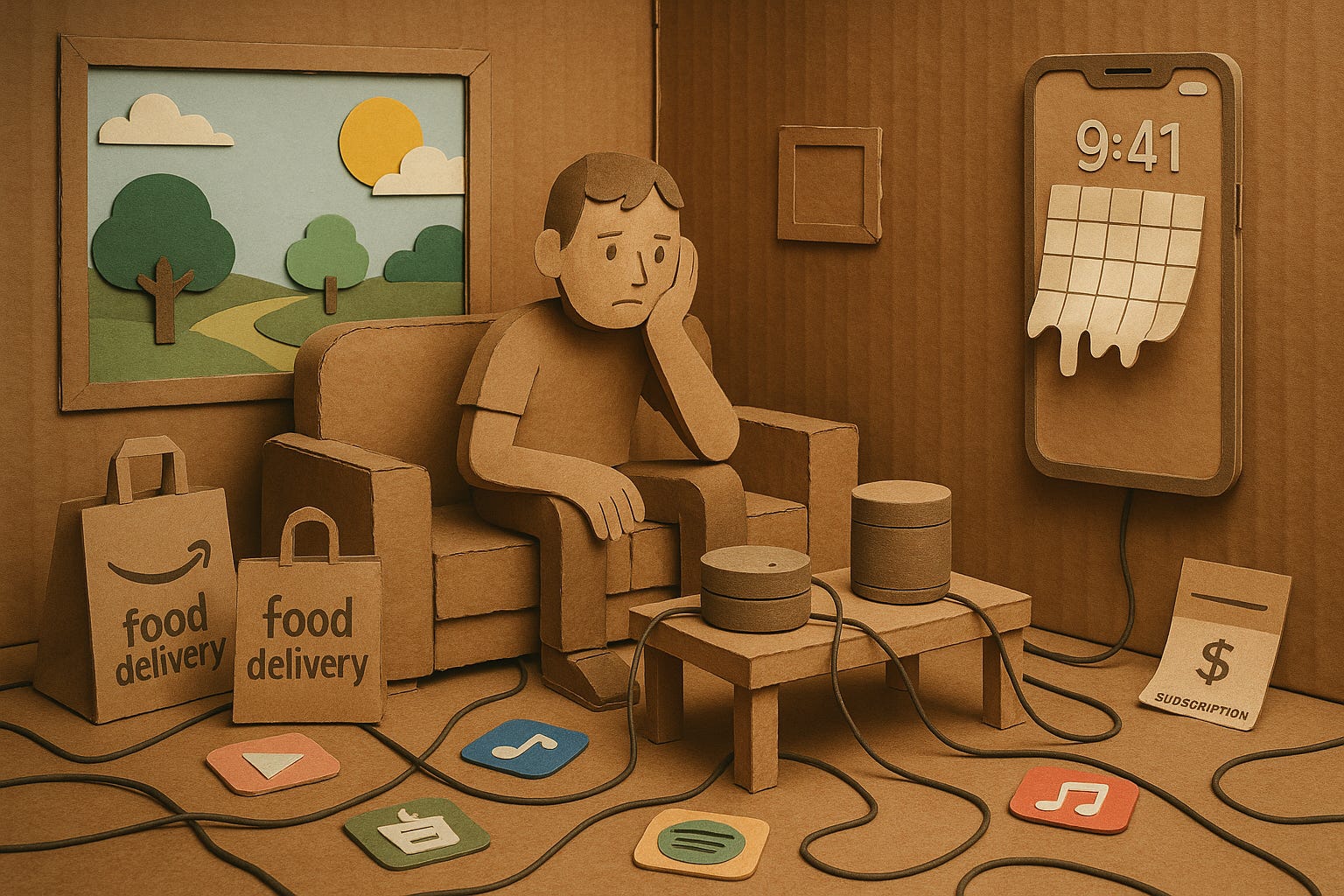
The convenience trap occurs when individuals prioritize ease and speed over cost, quality, or long-term consequences. Modern life is filled with quick solutions, from ready-made meals to subscription services, instant delivery, and automated tools. While these conveniences save time and effort, they often come at hidden costs—financially, mentally, and socially. Recognizing the convenience trap is the first step toward making intentional, strategic decisions in a fast-paced world.
Economic Impact of Convenience
Convenience often carries a premium. Ready-made products, meal delivery, and one-click shopping reduce effort but increase expenses. Small, repeated purchases may seem negligible but accumulate significantly over time. This hidden cost erodes financial stability, encourages impulsive behavior, and reinforces dependency on external solutions. Awareness of these economic consequences allows consumers to balance convenience with cost-effectiveness.
Psychological Drivers
The convenience trap exploits human tendencies toward instant gratification, decision fatigue, and effort minimization. Choosing the easiest option reduces short-term cognitive load, making it appealing despite potential drawbacks. Over time, reliance on convenience can weaken self-discipline, reduce problem-solving skills, and decrease resilience, leaving individuals vulnerable to manipulation and overspending.
Technological Amplification
Technology accelerates the convenience trap. Smartphones, apps, and AI-driven platforms create effortless access to goods, services, and entertainment. Automation and algorithmic recommendations anticipate needs, often promoting solutions that prioritize speed over quality. While digital tools enhance productivity, overreliance can create dependency, reduce autonomy, and limit awareness of underlying costs.
Social and Cultural Influences
Society reinforces convenience through marketing, peer influence, and cultural expectations. Brands emphasize simplicity, speed, and efficiency, normalizing shortcuts in daily life. Social media portrays curated lifestyles that make convenient solutions appear aspirational. Cultural reinforcement encourages habitual dependence, making it harder for individuals to question or resist convenient but costly behaviors.
Impact on Health and Well-Being
The convenience trap affects physical and mental health. Processed foods, minimal exercise routines, and passive entertainment reduce long-term wellness. While convenient options provide immediate satisfaction, they may contribute to poor nutrition, stress, and reduced physical activity. Recognizing the health implications encourages intentional choices that balance convenience with sustainable well-being.
Financial Strategies to Avoid the Trap
Financial discipline is crucial in countering the convenience trap. Budgeting, prioritizing essential purchases, and evaluating cost-per-use encourage mindful consumption. Preparing meals, comparing services, and automating only essential tasks help maintain autonomy and reduce unnecessary spending. Strategic financial planning ensures convenience does not compromise long-term goals.
Building Awareness and Discipline
Overcoming the convenience trap requires awareness and self-control. Mindful decision-making, evaluating alternatives, and considering long-term consequences foster resilience against impulsive choices. Developing routines that combine efficiency with intentional effort strengthens autonomy and reduces reliance on externally imposed solutions.
Technology as a Tool, Not a Crutch
Technology can support productivity without becoming a trap. Using apps for organization, tracking goals, and automating essential tasks enhances efficiency without undermining decision-making. The key is intentionality—employing tools to supplement skills, not replace judgment. Conscious interaction with technology preserves autonomy while leveraging convenience strategically.
Conclusion: Balancing Ease and Awareness
The convenience trap is a pervasive feature of modern life, offering immediate benefits at hidden costs. By understanding economic, psychological, and social dimensions, individuals can navigate convenience intentionally. Awareness, discipline, and strategic decision-making transform convenience from a trap into an asset, allowing people to save time and energy without compromising financial, mental, or physical well-being.











Comments
No comments yet, be the first submit yours below.