Who Wins Every Time Things Fall Apart

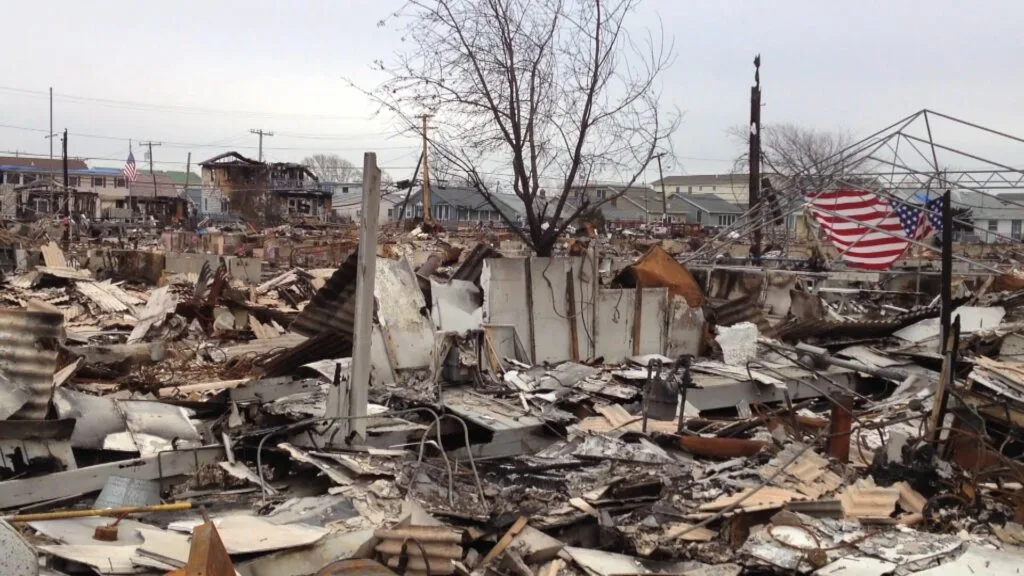
Disasters don’t just create chaos—they create opportunity for those positioned to capitalize. While most people focus on survival, a small group studies timing, incentives, and fear. Profit doesn’t come from the disaster itself, but from how people react to it.
CRISIS CREATES URGENCY
Urgency shuts down rational thinking. People spend faster, comply quicker, and accept worse terms just to feel safe again.
EMOTIONAL BUYING
Fear turns spending into reflex. Emergency supplies, rushed services, and overpriced solutions sell because anxiety removes price sensitivity.
SHORT-TERM MEMORY
Once the crisis fades, outrage fades with it. Systems reset without accountability, allowing the same profit cycles to repeat during the next disaster.
PRIVATIZED GAINS
Losses are socialized, profits are protected. Bailouts, contracts, and emergency funding flow upward while costs remain public.
SCARCITY NARRATIVES
Shortages—real or engineered—justify price increases and restrictive policies. Scarcity amplifies dependency.
CONTROL THROUGH DEPENDENCE
When solutions are centralized, independence disappears. Dependency ensures repeat customers during every emergency.
DISASTER AS BUSINESS MODEL
Some industries don’t aim to prevent crises—they prepare to monetize them. Preparedness isn’t for protection, it’s for extraction.
THE INDIVIDUAL DISADVANTAGE
Unprepared individuals always pay more—financially, emotionally, and socially. Panic shifts leverage away from the public.
DEFENSE THROUGH PREPARATION
Personal reserves, education, and flexibility reduce vulnerability. Preparation is the only way to opt out of disaster pricing.
THE PATTERN
Once you see disaster profit cycles, crises stop feeling random. Awareness transforms fear into foresight.









Comments
No comments yet, be the first submit yours below.