The Battle Between Awareness and Ignorance

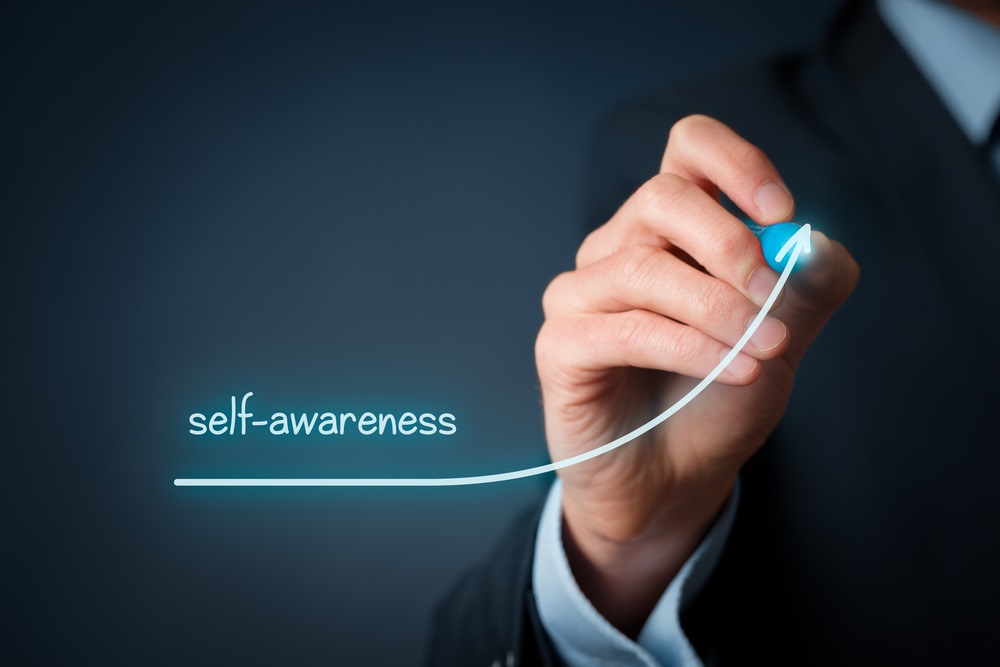
Being awake isn’t just about physical alertness—it’s about perception, understanding, and intentionality. Most people live “asleep,” following routines, narratives, and systems without questioning why. The difference between awake and asleep determines control, opportunity, and freedom. Awareness creates leverage; ignorance yields manipulation.
THE DEFAULT MODE
Humans naturally rely on habits and external cues to navigate life. Being asleep isn’t laziness—it’s efficiency. Relying on external guidance reduces cognitive load but sacrifices agency. Most people accept inputs without interrogation, consuming media, trends, and cultural norms passively. This state is fertile ground for influence and control by those who understand it.
SIGNS OF BEING ASLEEP
Complacency, unquestioned routines, and unquestioned beliefs are hallmarks of the asleep state. Individuals in this mode react to events rather than anticipate them. They accept default systems, follow crowd behavior, and rarely investigate underlying causes. Outcomes are shaped more by external forces than personal strategy.
THE COST OF IGNORANCE
Asleep people pay hidden taxes—emotional, financial, and psychological. Influence over their lives is ceded to media, institutions, and peer pressure. Opportunities are missed, risks magnified, and choices narrowed. Ignorance is subtle but cumulative, gradually eroding freedom and autonomy without immediate notice.
WHAT IT MEANS TO BE AWAKE
Being awake requires observation, skepticism, and intentional action. It’s recognizing systems, incentives, and narratives, then choosing how to engage. Awareness allows people to exploit gaps, anticipate manipulation, and act decisively. It’s a mindset that turns environmental understanding into practical leverage.
INFORMATION CONTROL
Awake individuals actively curate inputs. They question sources, cross-reference information, and analyze motives behind messaging. Asleep people absorb content without reflection. Control over information intake is the foundation of mental clarity and strategic decision-making.
EMOTIONAL DISCERNMENT
Emotional triggers shape behavior, often without conscious awareness. Awake people notice when fear, excitement, or anger are manipulated. They respond deliberately rather than reflexively. Emotional discernment turns influence into an observable variable instead of an uncontrollable force.
THE POWER OF QUESTIONS
Asking why and how is central to awakening. Questions reveal assumptions, inconsistencies, and leverage points. People who interrogate received knowledge disrupt autopilot patterns, gain clarity, and create room for strategic action. Curiosity is the gateway to awareness.
COMMUNITY AND CONTRAST
Being awake isn’t just personal—it’s relational. Comparing perceptions with others and testing assumptions against reality strengthens insight. Networks of aware individuals amplify perspective and reduce blind spots, providing guidance, validation, and challenge.
AWAKE AS RESPONSIBILITY
Awareness carries weight. Being awake exposes inconvenient truths, forces difficult choices, and requires personal accountability. The reward is freedom and leverage, but the cost is engagement. Those who remain asleep enjoy comfort but relinquish control.
TRANSITIONING STATES
Shifting from asleep to awake is gradual. It requires observation, education, reflection, and experimentation. Awareness expands incrementally, creating a more strategic life. Once awakened, individuals see the world as a system of choices, risks, and opportunities rather than a predetermined path.








Comments
No comments yet, be the first submit yours below.