Quiet Power Is Invisible Until It’s Too Late

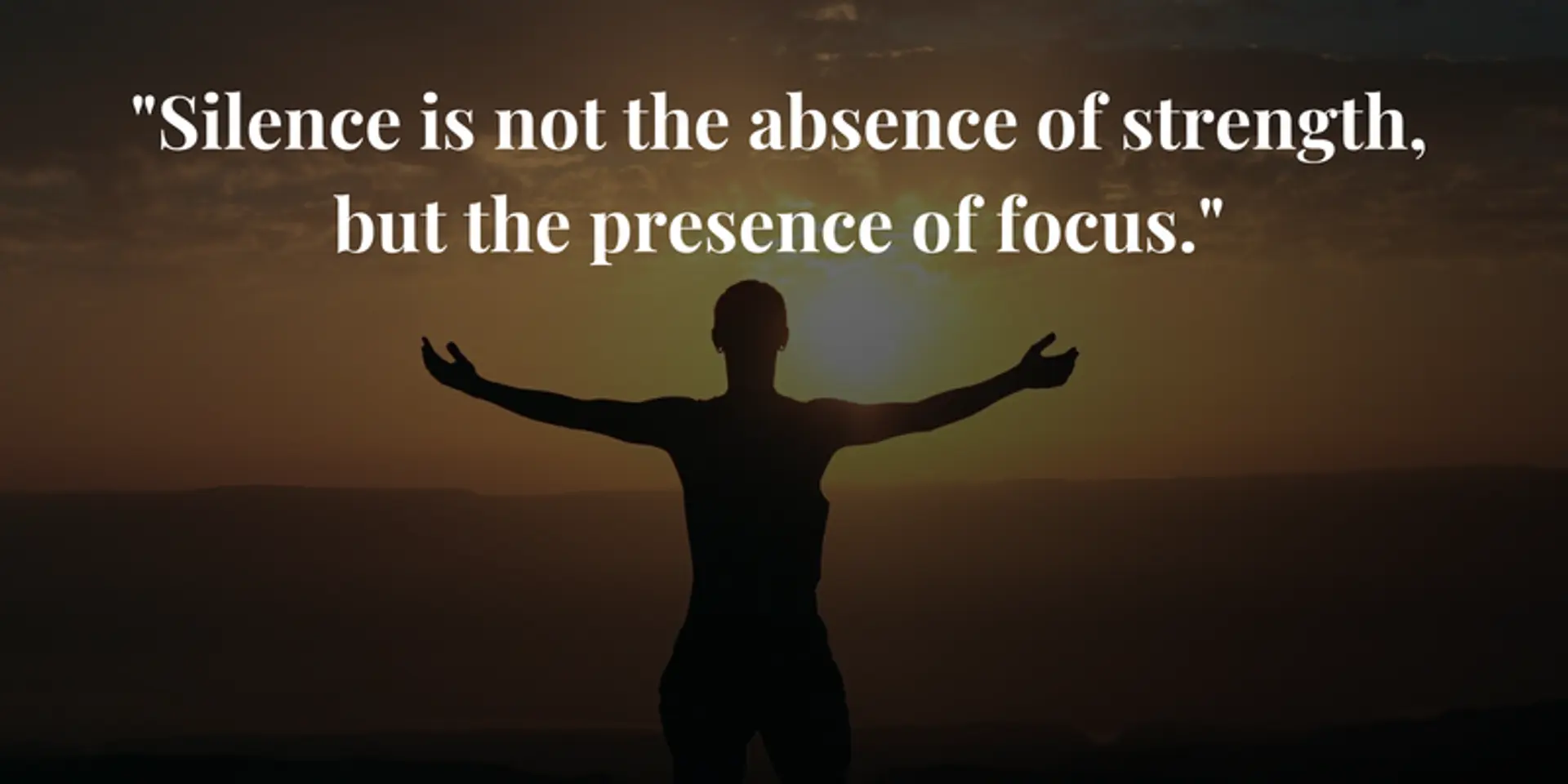
Quiet power doesn’t announce itself, demand attention, or seek validation. It moves beneath the noise, accumulating influence while others chase visibility. In a world obsessed with being seen, quiet power thrives by staying unnoticed. Those who hold it rarely explain themselves because explanation weakens leverage. Silence becomes strategy, not absence. While loud voices fight for dominance, quiet power reshapes outcomes without friction.
WHY LOUDNESS IS A WEAKNESS
Noise signals insecurity more often than strength. Constant broadcasting reveals intentions, priorities, and emotional triggers. Systems and competitors exploit visibility because exposed behavior is easier to predict. Quiet power withholds information, creating uncertainty and advantage. When nothing is revealed, assumptions replace facts, and assumptions are easy to manipulate.
CONTROL WITHOUT CONFRONTATION
Quiet power avoids resistance by avoiding confrontation. It doesn’t need permission or applause to operate. Decisions are made privately, moves are executed calmly, and results appear inevitable after the fact. This form of control is difficult to challenge because it never provokes a direct fight. By the time outcomes are visible, leverage has already shifted.
WHY IT SCARES SYSTEMS
Systems rely on predictability, compliance, and reaction. Quiet individuals who observe, adapt, and act selectively disrupt that rhythm. They can’t be easily categorized, pressured, or distracted. Their independence makes them difficult to manage, which is why quiet power is often misunderstood or underestimated.
THE HARD TRUTH
Real power doesn’t argue, explain, or perform. It waits, watches, and moves when conditions favor it. Those who master quiet power rarely look powerful — until everyone else realizes they’re already behind.








Comments
No comments yet, be the first submit yours below.