Overregulating E-Bikes Is a Policy Mistake Cities Will Regret

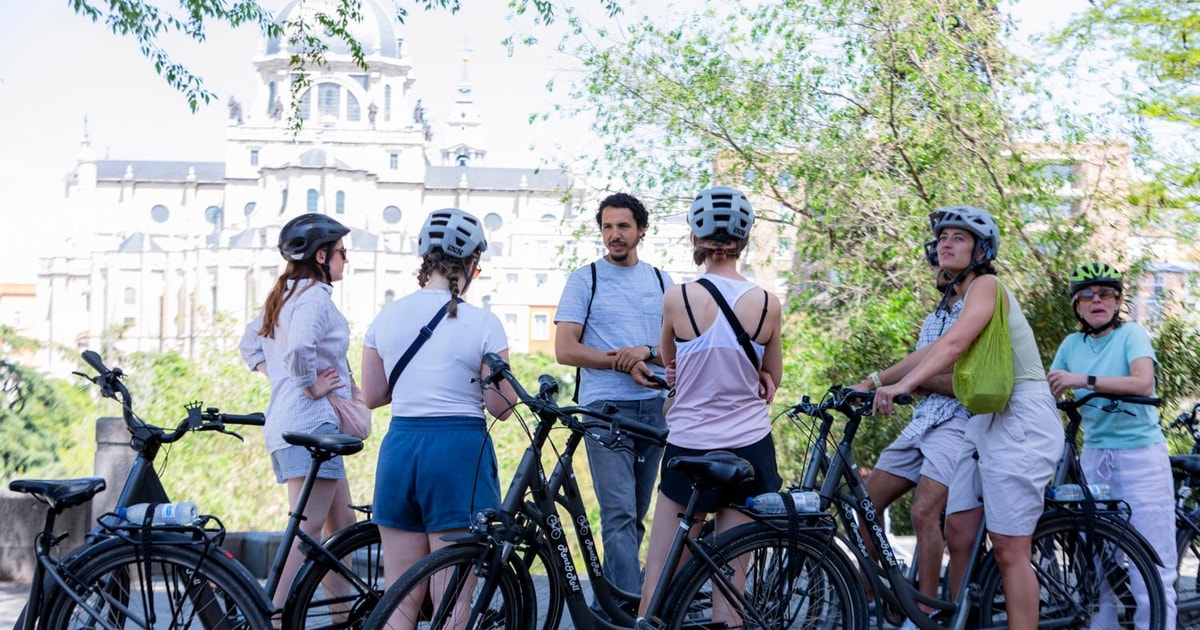
Electric bikes have become one of the most practical transportation tools in modern cities. In places like cities thousands of workers rely on them every day. They are affordable, efficient, and far less resource-intensive than cars. Yet instead of embracing them, many cities are layering on restrictions. Licensing proposals, registration systems, insurance mandates, and equipment rules are expanding quickly. While framed as safety measures, these policies often ignore who depends on e-bikes the most. Overregulation risks turning an affordable solution into another financial burden.
THE COST OF COMPLIANCE
For a high-income commuter, a few hundred dollars in fees may be manageable. For a delivery worker or hourly employee, that same amount can disrupt an entire month’s budget. When cities introduce mandatory insurance or expensive battery certifications, the upfront costs rise fast. Add registration renewals and potential fines, and the price of staying mobile grows heavier. Many riders chose e-bikes precisely to avoid recurring car expenses. Reintroducing those costs defeats the purpose. Mobility becomes conditional rather than accessible.
SAFETY VS. PROPORTIONALITY
Safety matters, but proportionality matters too. E-bikes are lighter and slower than most motor vehicles on the road. The majority of severe traffic injuries involve cars, not bicycles with electric assist. Treating low-speed e-bikes like motorcycles creates mismatched rules. Regulation should focus on reckless behavior, not blanket ownership penalties. When policy overreaches, it punishes responsible riders alongside the few who misuse the technology.
INFRASTRUCTURE WOULD DO MORE
Protected bike lanes, clearer signage, and traffic calming measures would reduce accidents more effectively than paperwork requirements. Cities such as :contentReference[oaicite:2]{index=2} demonstrate how infrastructure investment improves safety without excluding riders. When space is designed properly, conflicts decrease naturally. Enforcement-heavy approaches often fill revenue gaps instead of solving root problems. Streets become monitored instead of improved. Long-term safety requires thoughtful design, not escalating penalties.
WHO ABSORBS THE IMPACT
The burden of strict regulation rarely falls evenly. Gig workers, immigrants, and lower-income commuters rely on e-bikes to bridge long distances between affordable housing and job centers. Additional costs reduce take-home pay directly. Confiscations or unpaid fines can interrupt income completely. Meanwhile, car commuters continue benefiting from publicly funded roads and parking subsidies. The imbalance highlights a broader class divide in transportation policy.
THE LONG VIEW
E-bikes reduce congestion, cut emissions, and expand job access. Cities facing climate goals and housing affordability crises should recognize their value. Overregulating them may produce short-term political signals but long-term economic damage. Smart policy balances safety with accessibility. If lawmakers want equitable mobility, they must protect affordability while improving infrastructure. Otherwise, they risk shrinking opportunity in the name of order.










Comments
No comments yet, be the first submit yours below.