The Sonic Collaboration Lab: Why Experimentation Beats Perfection for Indie Artists

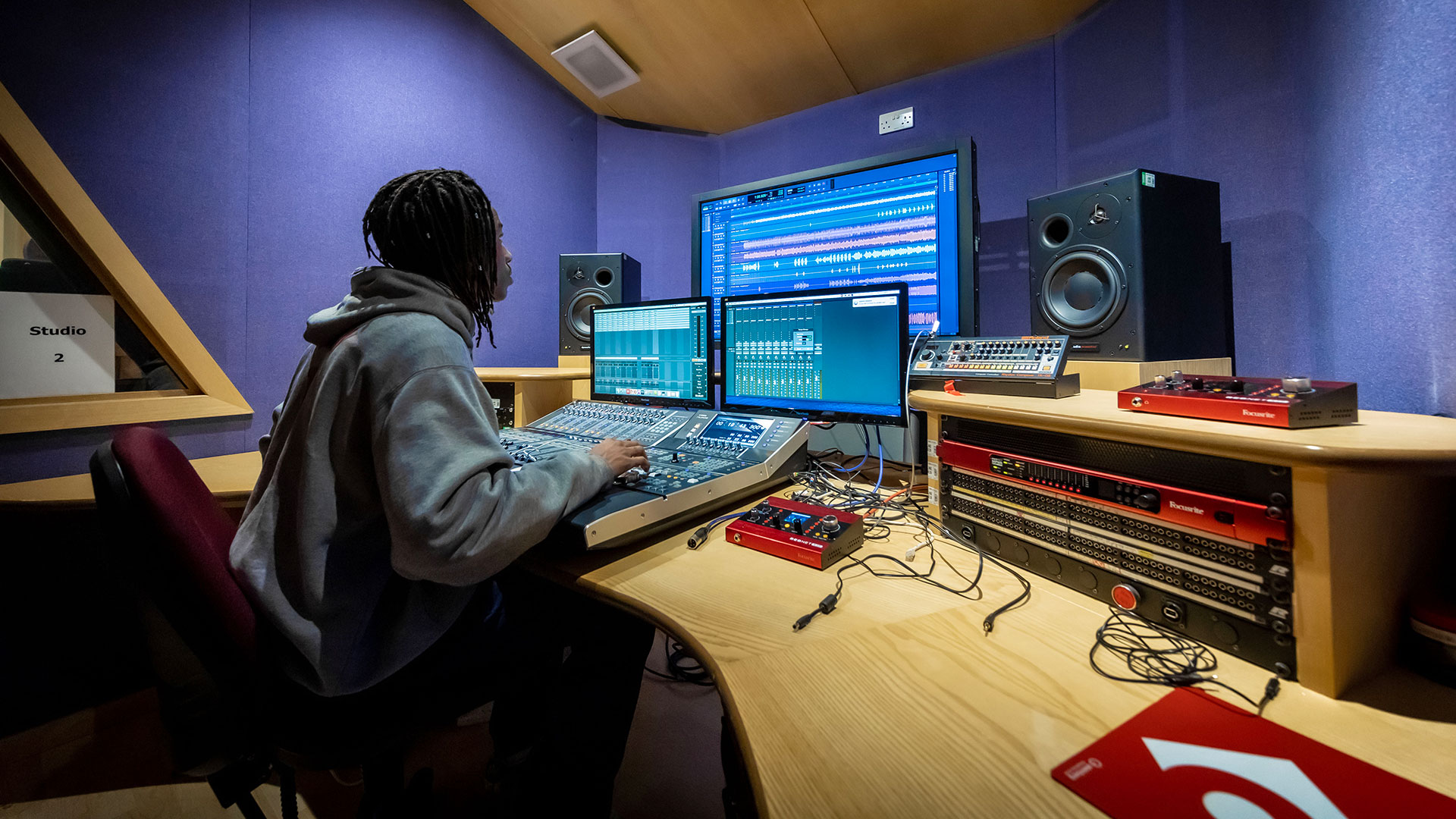
In 2026, independent artists often feel pressured to produce “perfect” tracks before releasing anything. Yet, the real breakthroughs come from a culture of experimentation. Enter the Sonic Collaboration Lab mindset: a systematic approach where artists experiment with sounds, styles, and collaborations to discover what resonates with fans. This approach prioritizes learning and adaptation over flawless production, allowing indie musicians to iterate quickly, uncover new directions, and build a unique signature sound.
Why Experimentation Matters
Perfectionism can slow growth. The Sonic Collaboration Lab approach emphasizes:
• Creative freedom to test unconventional ideas
• Faster feedback loops from fans
• Discovery of unique sounds that differentiate you
• Opportunities for cross-genre innovation
• Reduced fear of failure, leading to more consistent output
Innovation comes from trying, not waiting for perfection.
Structuring Your Sonic Lab
Artists can implement experimentation systematically:
• Daily or weekly jam sessions with different instruments or production tools
• Collaborative sessions with other artists or producers
• Testing new vocal techniques, tempos, or sound textures
• Recording multiple versions of the same track with varying moods
• Documenting results and fan feedback for analysis
Leveraging Fan Feedback
One of the biggest advantages of experimentation is real-time fan insight. Strategies include:
• Sharing rough demos or snippets on social media for feedback
• Hosting virtual listening sessions with superfans
• Polls or votes on which versions of a track should be released
• Encouraging fan-generated remixes or reinterpretations
• Analyzing engagement metrics to identify winning elements
Collaborations as Experimentation
Collaborations can amplify the Sonic Lab effect:
• Partner with producers from different genres to explore new textures
• Work with songwriters who bring unconventional ideas
• Feature guest artists to test vocal dynamics and lyrical approaches
• Experiment with hybrid genres, remix concepts, or cross-cultural influences
• Treat every collaboration as a learning opportunity, not a final product
Releasing Experimental Work Strategically
Even experimental tracks can be released effectively:
• Bundle experimental tracks as EPs or limited releases
• Use micro-content snippets to gauge interest before full release
• Offer exclusive access to fans for beta-testing new sounds
• Track analytics to determine which experiments resonate most
• Iterate quickly based on data and fan response
The Long-Term Payoff
Artists who embrace experimentation build a unique identity faster. Benefits include:
• Signature sound that evolves organically
• A loyal fanbase engaged in your creative process
• Increased media attention for innovative approaches
• More playlist opportunities due to genre-bending tracks
• Creative resilience and adaptability in a fast-changing industry
Final Thought: Treat Your Music Career as a Lab
Independent artists in 2026 who adopt a Sonic Collaboration Lab mindset grow faster and stand out. Perfection is overrated; learning, iterating, and experimenting build longevity. By treating every track, session, and collaboration as a chance to innovate, artists can uncover breakthrough sounds, engage fans more deeply, and create a sustainable, evolving music career.
In the lab of sound, experimentation breeds distinction.











Comments
No comments yet, be the first submit yours below.