YOU DON’T OWN YOUR LIFE — YOU’RE LEASING IT


The Subscription Trap
Your house? Mortgaged. Your car? Financed. Your phone? On a payment plan. Your entertainment? Subscription-based. Your software? Monthly fee. Your storage? Cloud rental. Your music? Streamed.
Ownership quietly turned into access. And access quietly turned into permanent payment. You’re not buying things anymore — you’re renting functionality. And the system loves that model because recurring revenue is more predictable than one-time sales.
Mortgage = 30-Year Permission Slip
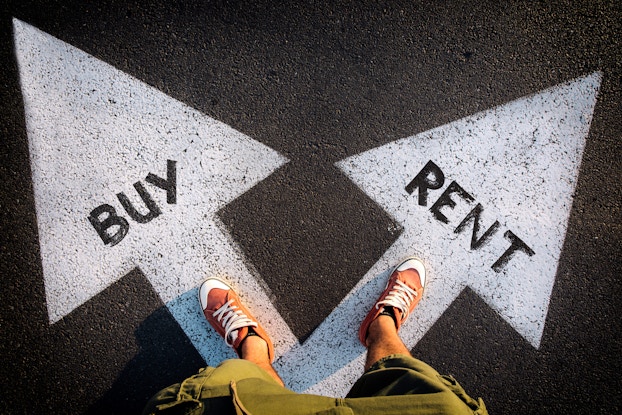
People say “I own my home.” Do you? Miss enough payments and see who really owns it. Property taxes ensure permanent obligation. Even after payoff, you’re still paying to stay. It’s not pure ownership — it’s conditional possession. And conditions can change.
Digital Renter, Physical Renter
You don’t own your movies. You stream them. You don’t own your audience. It lives on someone else’s server. You don’t own your software. You license it. Even your memories are stored in cloud accounts that can be locked. Convenience replaced control — and most people applauded.
The Illusion of Upgrading
Every year there’s a new device, new plan, new “must-have” feature. You upgrade, but your dependency upgrades too. The cycle keeps you current but never independent. You feel ahead technologically while staying financially anchored to monthly drains.
Recurring Payments = Recurring Pressure
When your lifestyle depends on constant income, risk tolerance shrinks. You can’t pivot. You can’t breathe. You can’t experiment. The more fixed expenses you stack, the less freedom you actually have. The cage isn’t visible — it’s automated.
Ownership Is Quiet — But Powerful
Owning land outright. Owning tools. Owning intellectual property. Owning a business. Owning digital infrastructure. These don’t scream luxury — they whisper leverage. Ownership reduces fragility. It lowers pressure. It increases options.
The Rented Mindset Is the Real Problem
Before you rent assets, you rent beliefs. “That’s just how life works.” “Everyone has payments.” “You need credit to survive.” Maybe. But unquestioned acceptance is how temporary models become permanent systems. Questioning isn’t rebellion. It’s strategy.
Freedom Is Measured in Obligations
Count your monthly mandatory payments. That number equals your pressure level. The fewer obligations you carry, the more optionality you gain. Optionality is modern freedom. Not luxury. Not flexing. Breathing room.
Build Toward Control, Not Applause
Nobody claps when you pay something off. Nobody congratulates you for reducing subscriptions. But your nervous system will. Your risk capacity will. Your strategic flexibility will. Quiet power isn’t flashy — it’s stable.
You don’t have to reject modern life. But understand it. The shift from ownership to subscription wasn’t accidental. It benefits providers more than participants. The question isn’t whether you rent some things — it’s whether you’re building anything you truly own. Because the difference between rented life and owned life is leverage. And leverage determines who controls the board.






Comments
No comments yet, be the first submit yours below.