RENTED STABILITY

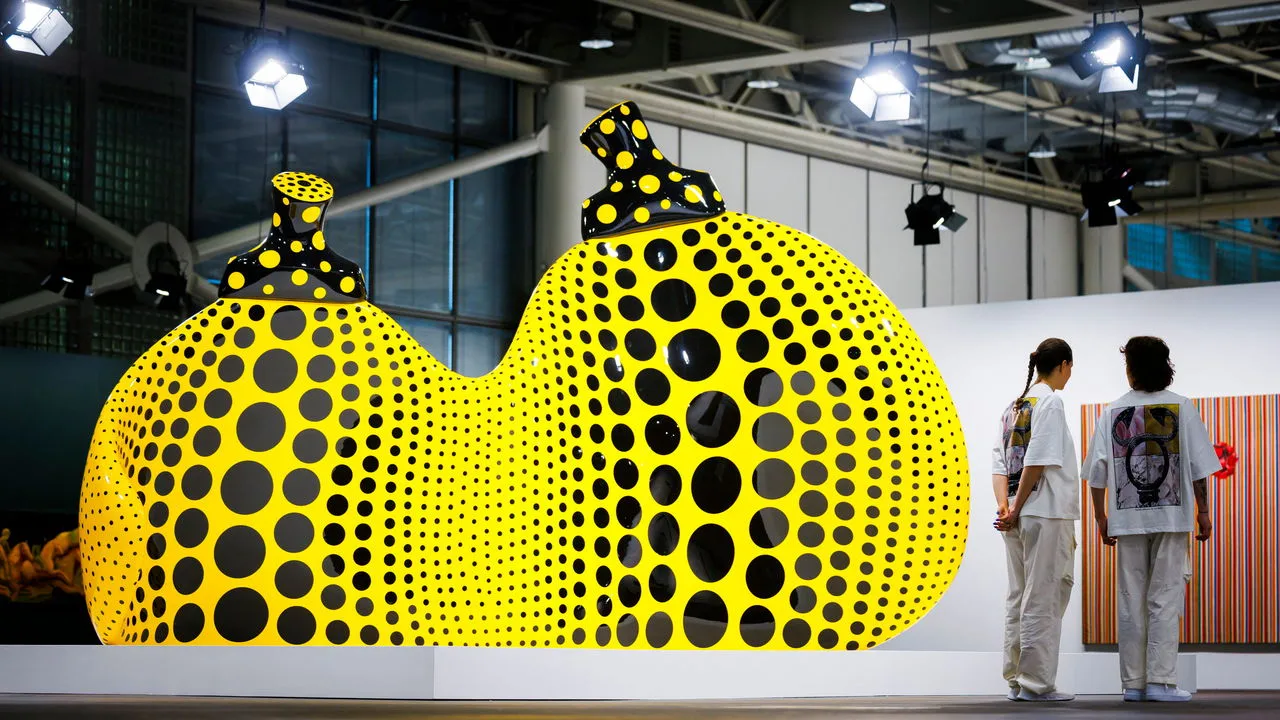
Modern life promotes the appearance of stability while quietly removing ownership. Access replaces possession, subscriptions replace assets, and permission replaces control. This arrangement lowers friction but raises dependency. People function smoothly as long as systems remain uninterrupted. Stability becomes conditional, not structural. What looks like security is often borrowed time.
Financial design reinforces this pattern. Income is optimized for recurring obligations rather than accumulation. Margins shrink while fixed costs expand, leaving little room for deviation. One disruption exposes how little is actually held. The system does not require failure to profit, only constant participation. Survival becomes the product.
Psychologically, rented life reshapes behavior. Long-term thinking feels abstract when outcomes are perpetually deferred. Risk avoidance increases because recovery options are thin. People become excellent at maintenance and poor at leverage. Energy is spent preserving access rather than building position. Exhaustion masquerades as responsibility.
Control emerges through normalization. When everyone lives close to the edge, precarity feels personal rather than structural. Comparison replaces analysis, and shame replaces strategy. The pressure to appear functional keeps people quiet. Systems benefit from silence more than obedience.
The hard truth is that stability without ownership is not safety. It is a holding pattern designed to look permanent. Systems that keep you operational but not independent do not fail accidentally. Quiet power begins when life no longer depends on uninterrupted normalcy. Anything else is rented calm.





Comments
No comments yet, be the first submit yours below.