The Great Migration: Opportunity and Urban Struggle

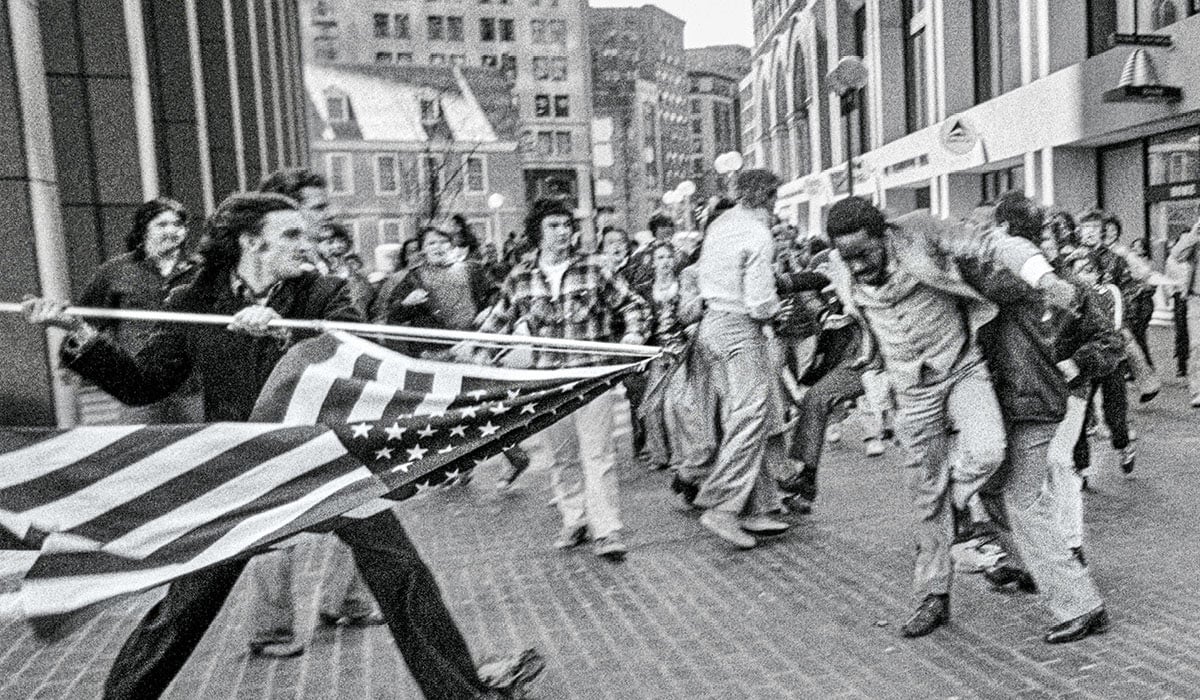
A Move for Freedom
Between 1916 and 1970, over six million Black Americans left the rural South for Northern and Western cities in search of jobs, safety, and freedom from Jim Crow laws. Cities like Chicago, Detroit, and New York became hubs of Black culture, innovation, and activism. The Great Migration reshaped demographics, politics, and culture in America.
Urban Challenges
Despite moving to cities promising opportunity, many Black migrants faced overcrowded housing, discriminatory rental practices, and economic exploitation. Segregated neighborhoods limited mobility and concentrated poverty, creating new forms of displacement within urban centers.
Cultural Resilience
Communities like Harlem and Bronzeville flourished culturally, giving rise to music, literature, and political activism. Despite structural barriers, these neighborhoods became centers of Black identity, creativity, and resistance — proving resilience can thrive even under systemic constraint.
Contemporary Lessons
The Great Migration illustrates both the promise and the pitfalls of relocation. While movement offered new opportunity, it also exposed Black families to urban displacement and structural inequity, a pattern that echoes in modern gentrification and housing challenges.







Comments
No comments yet, be the first submit yours below.