Labor Exploitation: From Slavery to Modern Inequity

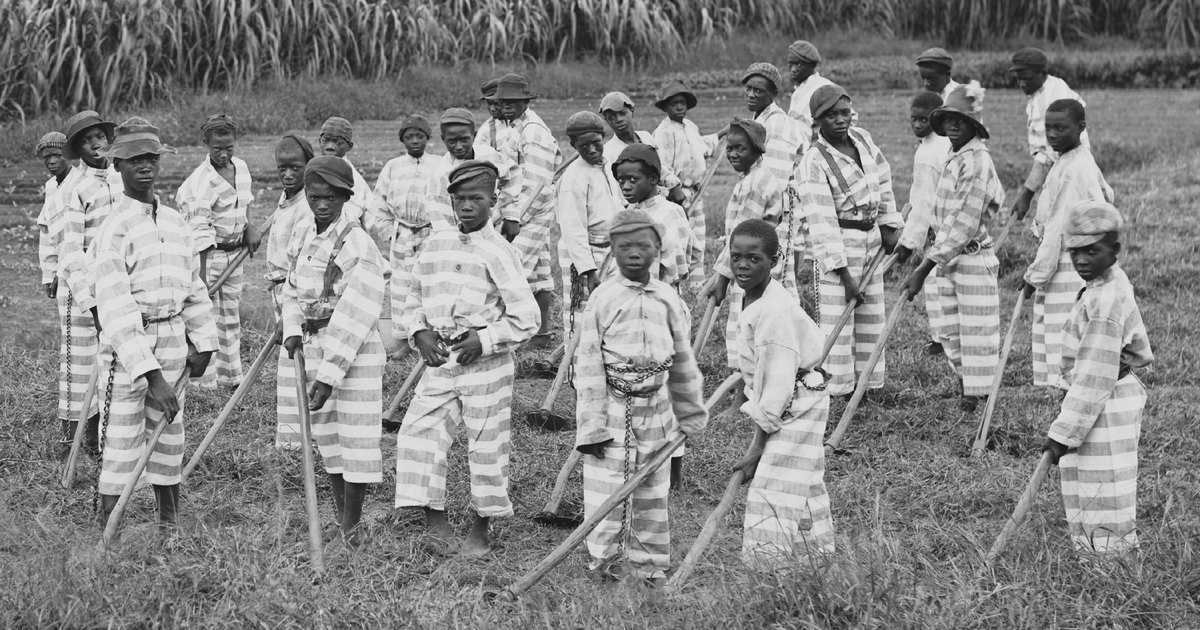
Slavery as Forced Labor
For centuries, Black people were enslaved, forced to work without pay, and denied any rights or compensation for their labor. Plantations, farms, and industries thrived on the stolen labor of enslaved Africans, creating immense wealth for white landowners while leaving Black families destitute and powerless.
Post-Emancipation Exploitation
Even after slavery ended, Black labor remained heavily exploited. Sharecropping, tenant farming, and low-wage work kept families in cycles of poverty and dependence. Jim Crow laws reinforced these economic barriers, denying fair wages, property ownership, and upward mobility.
Industrial and Urban Labor Discrimination
During the Great Migration, Black workers moved North seeking industrial jobs. While opportunities existed, they were often limited to the lowest-paying positions, subjected to unsafe conditions, and excluded from unions. Racial discrimination ensured economic advancement remained difficult despite hard work.
Modern Labor Inequities
Today, disparities persist. Black workers disproportionately occupy low-wage or unstable jobs, face discrimination in hiring and promotion, and experience wage gaps compared to white counterparts. Structural inequities in education, housing, and networks reinforce these labor disadvantages.
Resistance and Empowerment
Throughout history, Black workers have organized, protested, and built cooperative businesses to fight exploitation. Labor unions, civil rights activism, and modern movements continue to challenge inequitable labor practices and push for fair wages, workplace safety, and opportunity for advancement.
Understanding labor exploitation reveals how systemic inequality has persisted across generations. From slavery to modern employment gaps, the struggle for economic justice remains central to the fight for Black equality in America.










Comments
No comments yet, be the first submit yours below.