When Crisis Becomes Someone Else’s Business Model

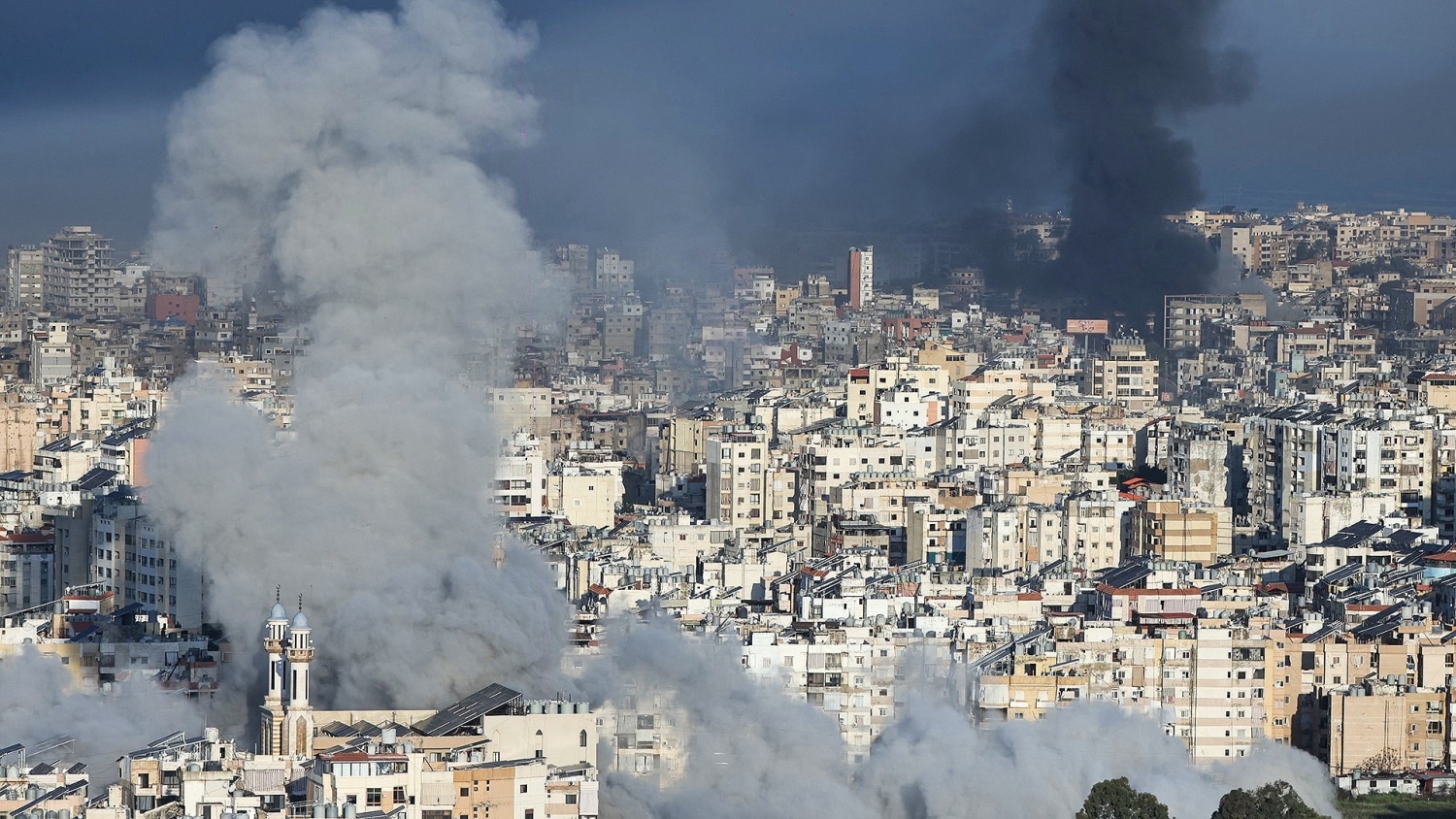
Every crisis creates two groups of people: those struggling through it and those making money from it.
Natural disasters, economic downturns, supply shortages, and emergencies often bring hardship for millions of people. Jobs disappear, prices rise, and families scramble just to stay afloat. But at the same time, certain industries quietly experience record profits during these exact moments.
Scarcity creates opportunity for profit.
When resources become limited, prices tend to increase. Energy companies, food suppliers, logistics firms, and insurance providers can suddenly find themselves operating in high-demand environments. What feels like survival mode for consumers can become a growth period for corporations.
Fear accelerates spending.
During uncertain times, people rush to secure essentials. Panic buying, emergency services, security products, and financial protection tools often surge in demand. Businesses that position themselves as solutions during fear-driven moments can see massive spikes in revenue.
Crisis can reshape entire industries.
Major disruptions often open doors for new companies or technologies. When traditional systems fail or become unreliable, alternatives rise quickly. Some of the biggest companies in history expanded rapidly during periods of economic chaos because they were positioned to solve problems others couldn’t.
Profit during disaster isn’t always unethical.
Some businesses genuinely provide necessary solutions during emergencies—rebuilding infrastructure, delivering supplies, or developing life-saving technology. The controversy arises when profits come from price gouging, exploitation, or manipulating shortages for financial gain.
Awareness helps people see the full picture.
Understanding how disaster economies function reveals a deeper truth: crises don’t affect everyone equally. While some people face loss and instability, others are positioned to gain financially from the same events.
In many cases, the biggest winners of a crisis aren’t the people surviving it — they’re the ones selling the solutions.









Comments
No comments yet, be the first submit yours below.