Why the Middle Class Feels Like It’s Running Faster Just to Stay in the Same Place

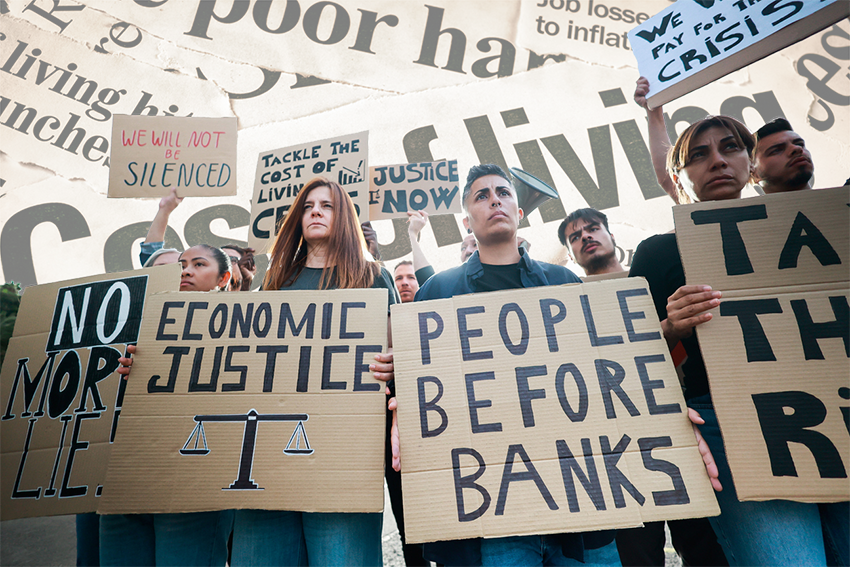
The middle class used to represent stability.
For decades, the idea of the middle class meant something clear: stable work, affordable housing, and the ability to slowly build a better life over time. A steady job could support a family, pay for a home, and allow savings for the future. Today, many people still work just as hard—or harder—but that sense of stability often feels harder to reach.
Costs have risen faster than incomes.
Housing, healthcare, education, and groceries have all become significantly more expensive in many parts of the world. While wages have increased in some sectors, they often struggle to keep pace with the rising cost of everyday life. This creates a situation where people may earn more money on paper but feel financially tighter than before.
Debt fills the gap between income and reality.
Credit cards, student loans, car payments, and mortgages help people maintain lifestyles that might otherwise be out of reach. While these financial tools can be useful, they also add long-term obligations that reduce financial flexibility. Many households find themselves managing multiple forms of debt simultaneously.
Economic pressure changes life decisions.
When financial stability becomes uncertain, people adjust their choices. Some delay buying homes, postpone starting families, or work multiple jobs to maintain the same standard of living previous generations expected from a single income. These shifts reshape how the middle class experiences daily life.
The definition of “middle class” continues to evolve.
Despite these pressures, the middle class still represents a large portion of the population. But the expectations tied to it are changing. Stability now often requires more planning, more income streams, and greater financial awareness than it once did.
For many people, the challenge isn’t simply earning money. It’s keeping up with a system where the cost of maintaining a normal life keeps moving higher.









Comments
No comments yet, be the first submit yours below.