The Attention Economy Trap: Why Independent Artists Burn Out Chasing Metrics

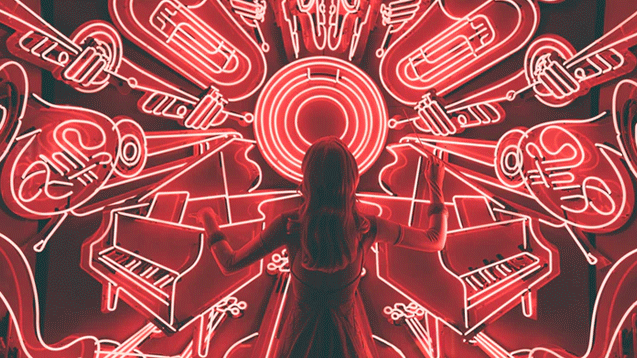
In 2026, independent artists are trapped in what can be called the “attention economy.” Social media, streaming platforms, and content-sharing apps compete for your focus, constantly rewarding activity over strategy. Artists often spend hours creating, posting, and engaging, believing visibility equals progress. The result is chronic burnout, low engagement, and a growing sense of frustration. Understanding the attention economy and how to reclaim focus is essential for sustainable growth.
Why Attention Is the True Currency
Fans have limited attention, platforms compete to capture it, and artists unknowingly spend theirs chasing it. Every notification, algorithmic trend, and viral challenge demands focus. While likes and streams feel like achievement, they often come at the cost of creative energy and mental clarity. In reality, attention—not money or talent—is the most valuable resource for an independent artist.
How Platforms Profit From Your Focus
Platforms are designed to maximize engagement. Infinite scroll, algorithmically curated feeds, and push notifications keep users and creators hooked. Artists create content for the platform, not the fan, and spend more time optimizing for reach than for actual fan relationships. Every hour spent chasing algorithmic signals is time that cannot be spent building direct-to-fan systems, refining craft, or creating meaningful content.
Platforms reward activity. Artists need leverage.
The Burnout Cycle
Many artists experience the attention trap as a repetitive loop:
• Post daily content
• Track likes, views, and streams
• Adjust strategy based on metrics
• Repeat endlessly without measurable growth
This loop creates exhaustion while giving the illusion of productivity. Artists feel busy but often see little long-term progress. Burnout leads to skipped releases, lowered creative quality, and frustration that can derail careers.
How to Break the Attention Trap
Breaking free requires a shift from chasing metrics to controlling focus:
1. Identify your highest-leverage activities: engagement that converts fans, not just likes.
2. Limit platforms: choose 1–2 where your audience actually interacts.
3. Batch content creation: produce multiple posts in one session to reduce constant task-switching.
4. Track conversions over vanity metrics: email signups, merch purchases, repeat listens.
5. Schedule time for deep creative work, separate from engagement tasks.
Focusing on Fans, Not Metrics
Shift perspective from chasing visibility to cultivating relationships. Direct fan engagement, micro-communities, and personalized interactions yield higher loyalty than chasing ephemeral algorithmic rewards. By prioritizing fan value, artists naturally convert attention into measurable career growth.
Examples of Attention Reclamation
• Sending weekly email newsletters instead of daily social posts.
• Creating a monthly mini-series of videos from one song rather than posting unrelated clips.
• Hosting a small virtual listening party to engage core fans directly instead of chasing mass views.
• Encouraging fan interaction through polls, comments, or challenges that have measurable outcomes.
Attention is finite. Protect it like your career depends on it—because it does.
Measuring Success Beyond Metrics
Instead of counting likes, streams, or impressions, measure:
• Number of fans added to direct channels (email, Discord, Patreon)
• Conversion rate from content to active supporters
• Repeat engagement with content
• Depth of interaction, not breadth
These metrics reflect real progress, career sustainability, and momentum.
Final Thought: Attention Is Your Most Valuable Asset
Independent artists who survive and thrive in 2026 understand the attention economy and actively reclaim focus. Instead of chasing fleeting visibility, they invest in high-leverage activities, nurture direct fan relationships, and protect their creative energy. In a world where attention is constantly hijacked, disciplined focus becomes a career-defining advantage.
Don’t let algorithms own your energy. Own your attention—and your career.





:max_bytes(150000):strip_icc()/Rgstudio-06d2cace266144b2b9f0c13ef8c4242e.jpg)


Comments
No comments yet, be the first submit yours below.