How Society Shifts Expectations Without Notice


The “new normal” changes faster than we notice.
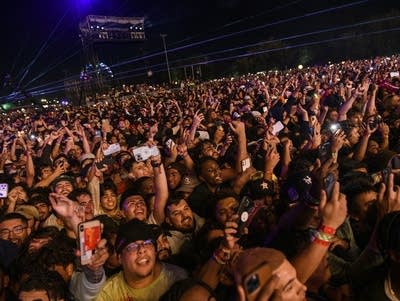
Society constantly adjusts standards and expectations, often without explicit acknowledgment. What once seemed unusual or extreme becomes routine, and people adapt quietly to new behaviors, rules, and cultural norms.
Change is subtle but pervasive.
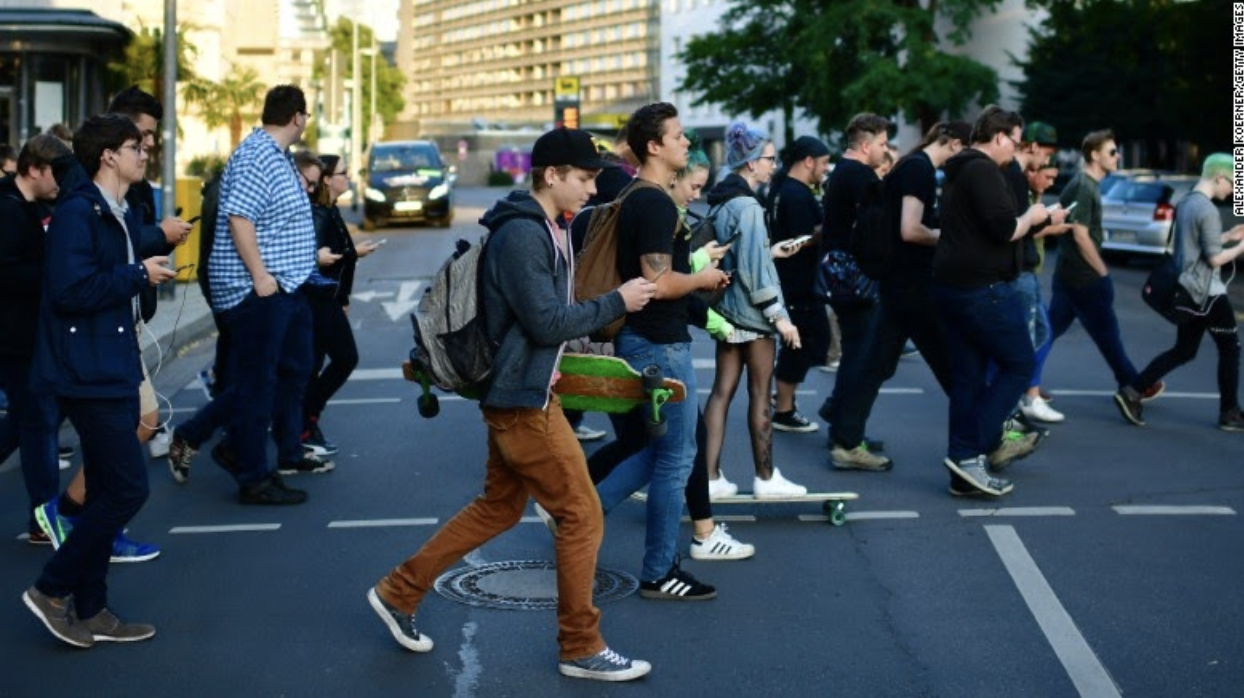
From work environments to social interactions, technology adoption, and public health practices, incremental shifts accumulate. Over time, these small changes redefine what is considered acceptable, normal, or expected in everyday life.
Adaptation comes with trade-offs.
While adapting to the new normal can offer convenience, safety, or efficiency, it can also erode freedoms, reduce personal choice, and reshape social dynamics. Individuals often comply without fully understanding the long-term consequences.
Perception shapes acceptance.
Repeated exposure to new rules or habits makes them seem natural. Media messaging, peer behavior, and institutional reinforcement all contribute to the perception that these changes are inevitable or universally beneficial.
Awareness enables choice.
Recognizing how the new normal develops allows people to evaluate which changes align with their values and which might undermine autonomy. Conscious adaptation is more powerful than passive acceptance, preserving control over personal life while navigating societal shifts.
The new normal is less about external rules and more about how society shapes perceptions, expectations, and behaviors over time.





Comments
No comments yet, be the first submit yours below.