Your Paycheck Has an Expiration Date, but Your Bills Don't—That's Why Saving Money Is a Different Kind of Freedom

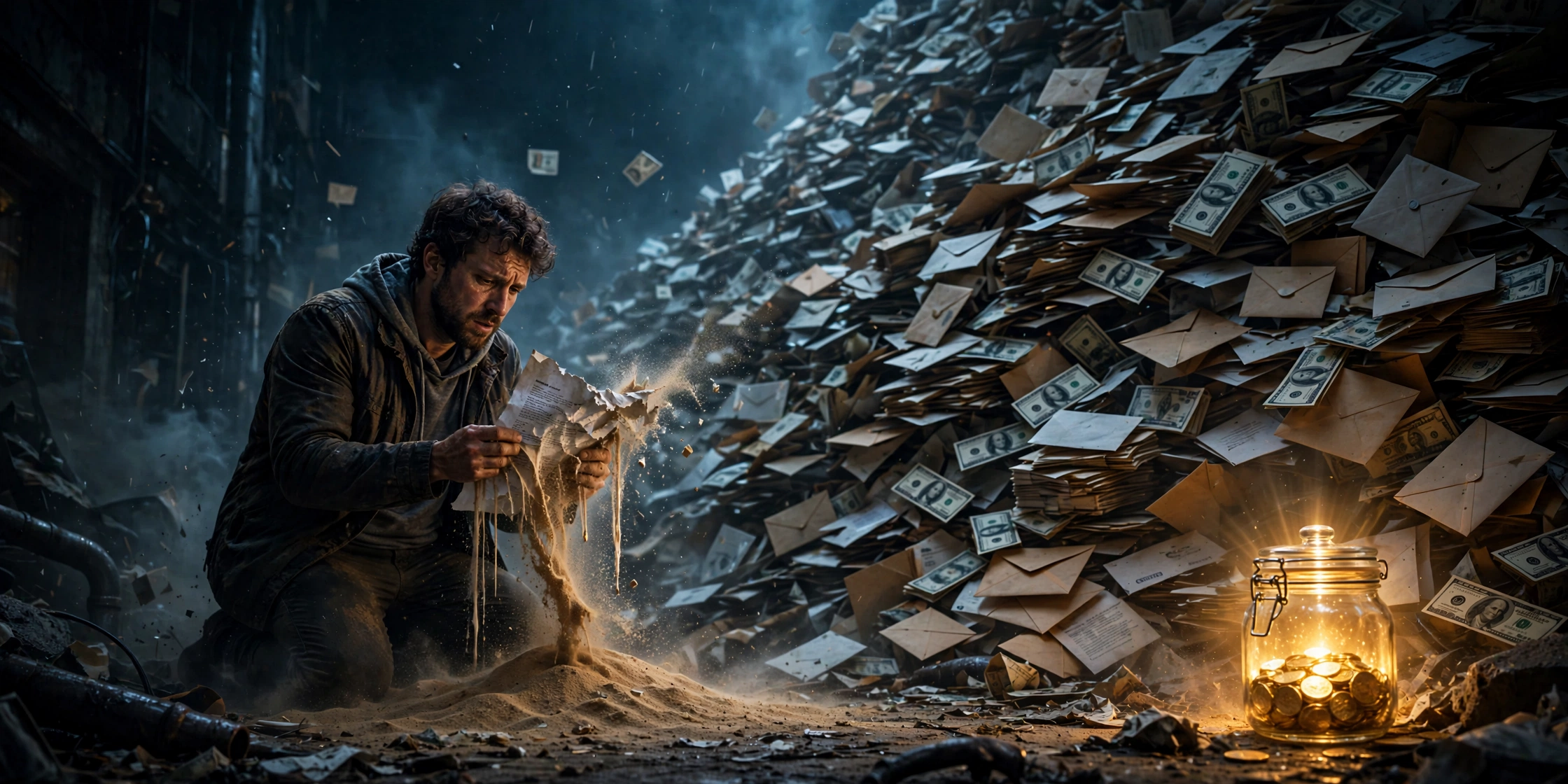
Most people aren't broke because they don't know how to make money. They're broke because the money arrives with 14 different people already standing in line waiting to collect it. Your paycheck hits Friday, and by Monday, everybody from the landlord to the insurance company has already introduced themselves.
There's something strange about earning money and immediately watching it disappear. You work all week, sacrifice your time, deal with responsibilities, and finally get paid. But instead of feeling financially stronger, you're simply catching up on everything that was waiting for your deposit.
Rent. Utilities. Insurance. Car payments. Groceries. Credit cards. Subscriptions. Gas. The list never seems to end.
And when everything is paid, you're looking at what's left wondering how you're supposed to build a future with whatever survived the month.
Income and Financial Security Are Not the Same Thing
Somebody can make $100,000 a year and still be financially vulnerable. Somebody else can earn considerably less and have more breathing room because they have fewer obligations and consistently save a portion of their income.
The difference isn't always how much money comes in. It's how much money stays.
A higher income can improve your situation, but if every increase in earnings immediately becomes a larger car payment, a more expensive apartment, another subscription, or a more expensive lifestyle, you haven't necessarily improved your financial position.
You've simply upgraded the price of maintaining it.
Your Savings Account Is More Than a Place to Store Money
People sometimes underestimate what having cash available actually does for them.
Imagine your car breaks down. Without savings, that repair might force you to use a credit card, borrow money, miss another payment, or make a decision under pressure.
With an emergency fund, the same problem becomes an inconvenience instead of a financial crisis.
That's what savings provides: options.
Money sitting in an account might not look exciting, but it gives you the ability to respond to unexpected situations without immediately putting your financial future at risk.
Every Dollar You Save Reduces Your Dependence on the Next Paycheck
Think about the difference between somebody who has to work every single day just to keep current and somebody who has enough reserves to handle a temporary interruption in income.
Both people may have jobs. Both may earn similar amounts. But their financial flexibility is completely different.
Savings creates distance between you and your next paycheck. The more breathing room you build, the less likely you are to make desperate financial decisions because you're afraid of what happens if the money stops coming in.
You don't have to become wealthy overnight. Start by building a small emergency reserve, then work toward covering several months of essential expenses as your situation allows.
Stop Treating Leftover Money Like the Only Money Worth Saving
One of the biggest mistakes people make is waiting until the end of the month to see whether anything is left.
That's backwards.
If saving matters to you, make it part of your financial plan when income arrives. Set aside a realistic amount after accounting for essential bills and necessary expenses. Even if you start small, consistency can help establish the habit.
You don't need to save an unrealistic percentage and then end up borrowing money to survive. The objective is to create a sustainable system that gradually strengthens your position.
Financial Freedom Starts Before You Become Rich
People talk about financial freedom as if it only begins when you have millions of dollars invested, multiple properties, or passive income covering every expense.
But there's an earlier version of financial freedom that matters just as much.
It's having enough money to replace a broken tire without panic. It's being able to handle an unexpected bill without borrowing. It's having the ability to walk away from a terrible situation because you aren't completely dependent on the next deposit.
Those milestones might not look glamorous on social media, but they change how you experience everyday life.
Your Goal Should Be to Make Every Paycheck Less Important
Of course, you still need income. Bills don't disappear because you decided to save money. But over time, your savings can make your next paycheck less of an emergency and more of an opportunity to continue building.
That's a meaningful shift.
Instead of spending every dollar trying to survive until the next payday, you begin creating a financial cushion that gives you more control over your decisions.
Getting paid keeps you moving. Keeping money gives you options. And eventually, the real flex isn't showing everybody how much you earn. It's reaching a point where one delayed paycheck doesn't have the power to ruin your entire month.










Comments
No comments yet, be the first submit yours below.