When Money Isn’t Gone but Relief Is


The broke feeling isn’t always about empty bank accounts. It’s the constant pressure, the sense that money leaves faster than it arrives, even when income technically covers the bills. People feel broke while working full time, budgeting carefully, and doing everything “right.” This feeling isn’t accidental—it’s produced by uncertainty, timing gaps, and a system that keeps financial relief just out of reach.
THE GAP BETWEEN EARNING AND BREATHING
Most people don’t feel broke when they spend money; they feel broke when they can’t relax afterward. Rent clears, utilities clear, subscriptions clear, and what remains feels fragile. Any unexpected expense threatens stability. The gap between earning and breathing space is where the broke feeling lives. It’s not poverty—it’s precarity.
INCOME WITHOUT SECURITY
Steady income used to imply stability. Now it often just means predictable stress. Raises lag behind costs, while prices adjust instantly. This mismatch creates the illusion of progress without the experience of it. People move forward on paper but stand still emotionally. The broke feeling grows when effort doesn’t translate into margin.
THE PSYCHOLOGY OF CONSTANT OUTGOING
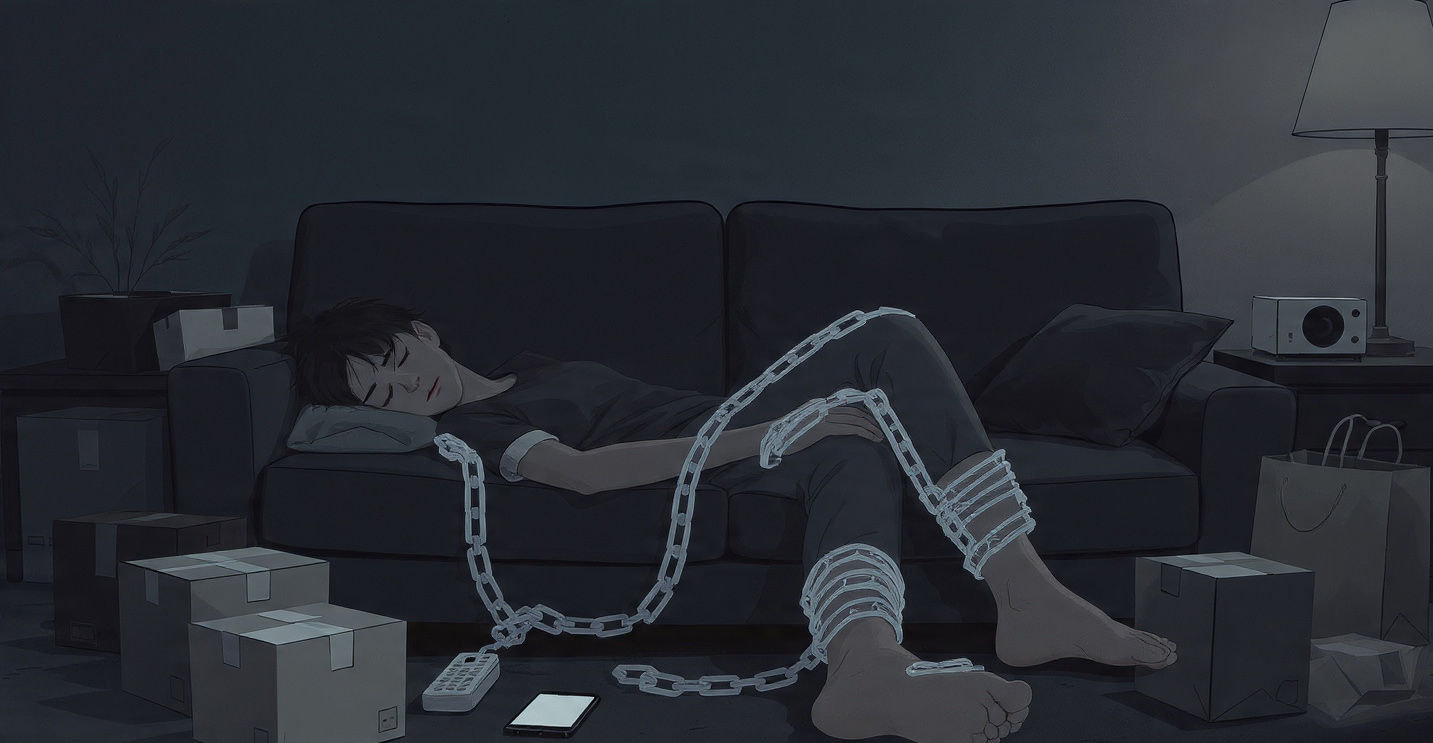
Modern life runs on auto-pay. Money leaves accounts silently and continuously. Because expenses are invisible until they’re gone, people experience loss without the moment of choice. This erodes the sense of control. When money feels like it disappears on its own, financial confidence weakens—even if totals technically balance.
TIME POVERTY MAKES MONEY FEEL SMALLER
When time is scarce, money feels scarce too. Long hours, commutes, and mental load reduce the ability to optimize decisions or seek better options. People pay for convenience not because they want to, but because they’re exhausted. The broke feeling intensifies when every dollar is already assigned before it arrives.
COMPARISON AMPLIFIES THE PRESSURE
Social comparison quietly multiplies financial stress. Seeing curated lifestyles creates false benchmarks. People feel behind even when they’re stable. The broke feeling feeds on relative positioning, not absolute numbers. When progress is measured against highlight reels, satisfaction becomes impossible.
EMERGENCY ANXIETY
The broke feeling is loudest when imagining emergencies. A car repair. A medical bill. A missed paycheck. Even if savings exist, fear remains because recovery would take time. This anxiety shapes behavior—people avoid risks, delay opportunities, and stay in suboptimal situations to protect fragile stability.
WHY MORE INCOME DOESN’T ALWAYS FIX IT
More money helps, but it doesn’t automatically erase the feeling. If costs rise alongside income, the emotional experience stays the same. Without structural changes—lower fixed expenses, real buffers, fewer obligations—the broke feeling simply scales up. Relief requires margin, not just growth.
RECLAIMING A SENSE OF CONTROL
Control changes the emotional math. Separating fixed costs from flexible spending, building visible buffers, and reducing silent drains restore confidence. Even small wins—one paid-off bill, one canceled subscription—create psychological space. The broke feeling fades when money becomes something you direct, not something that happens to you.
STABILITY OVER APPEARANCE
Chasing the appearance of success often worsens the broke feeling. Stability comes from boring choices: fewer commitments, lower burn rate, slower upgrades. These decisions rarely look impressive, but they feel powerful. Relief is quiet. It shows up as sleep, patience, and the ability to say no.
FROM SCARCITY TO SUFFICIENCY
The opposite of feeling broke isn’t being rich—it’s feeling sufficient. Sufficiency means tomorrow doesn’t threaten today. When people shift from maximizing income to protecting margin, the emotional weight lifts. The broke feeling dissolves not when money spikes, but when fear finally loses its grip.







Comments
No comments yet, be the first submit yours below.