Why Most People Lose Before the Game Even Starts

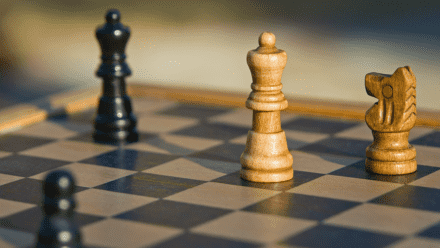
The game is often decided before the first move is made.
In chess, strong players understand that outcomes are heavily influenced by preparation before the opening move. In life, the same principle applies. Many people rush into decisions without understanding the terrain, the rules, or the power structures involved. This lack of preparation creates disadvantages that compound over time. Strategic thinkers focus first on positioning, not action. They observe patterns, assess risks, and choose environments that favor their strengths before committing to visible moves.
Bad positioning forces constant defense.
When a player starts from a weak position, every move becomes reactive. In life, poor positioning might mean choosing unstable income sources, toxic environments, or unsustainable commitments. Once trapped, energy is spent surviving instead of advancing. Strategic thinkers prioritize environments that offer leverage, flexibility, and optionality. Good positioning reduces friction, conserves energy, and creates opportunities without constant struggle. Defense becomes minimal, and offense becomes intentional.
Impulse is the enemy of strategy.
Many losses come not from lack of intelligence, but from impatience. Acting too early reveals intentions, weakens leverage, and exposes vulnerabilities. In chess, premature attacks are punished. In life, impulsive decisions often close doors before better ones appear. Strategic individuals delay gratification, waiting for moments when action produces disproportionate impact. They understand that restraint is not weakness, but discipline.
Most people confuse activity with progress.
Movement feels productive, but not all movement advances the objective. In chess, unnecessary moves waste tempo and give the opponent initiative. In life, constant busyness can distract from real progress. Strategic thinkers eliminate noise and focus on moves that improve position, control space, or limit opponent options. They measure progress by leverage gained, not effort expended. Efficiency matters more than intensity.
Information asymmetry creates advantage.
In chess, knowing your opponent’s tendencies provides a massive edge. In life, understanding incentives, motivations, and power dynamics does the same. Many people play openly while others gather information quietly. Strategic thinkers listen more than they speak and observe before acting. Information collected early shapes smarter decisions later. Knowledge compounds into advantage when paired with patience.
Commitments lock future options.
Every commitment limits flexibility. In chess, moving a piece commits it to a square and removes alternatives. In life, commitments to jobs, relationships, or ideologies can restrict growth. Strategic individuals delay irreversible decisions until the position is favorable. They preserve optionality and avoid overcommitting early. Freedom of movement is a strategic asset that protects against unforeseen threats.
Weak openings create long-term problems.
Bad openings don’t always fail immediately, but they create structural weaknesses. In life, early habits, financial decisions, and social alignments shape long-term outcomes. Small mistakes compound into major limitations. Strategic thinkers invest heavily in strong foundations, knowing they influence every future move. Fixing a weak opening later costs far more than doing it right initially.
Emotion clouds evaluation.
Chess players who play emotionally make predictable mistakes. In life, emotional reactions often override rational assessment. Anger, fear, pride, and urgency distort judgment. Strategic thinkers separate emotion from evaluation, allowing logic to guide decisions. Emotional control becomes a form of power, preventing opponents or circumstances from forcing bad moves. Calm thinking creates clarity under pressure.
Most losses come from predictable patterns.
Players who repeat the same mistakes become easy to defeat. In life, recurring failures often follow consistent patterns of behavior. Strategic thinkers identify and disrupt their own negative patterns before external forces exploit them. Self-awareness becomes a defensive mechanism. Breaking predictable cycles restores agency and control over outcomes.
Winning is about control, not domination.
In chess, the goal is not constant aggression but control of key squares. In life, control comes from stability, leverage, and foresight. Strategic individuals don’t seek attention or validation; they seek positioning that allows quiet dominance. When control is established, victory often follows naturally. The game ends not with chaos, but with inevitability.







Comments
No comments yet, be the first submit yours below.