Why Do Some Women Feel Like They Have to Find Themselves After Having Children—And What Happens to the Family While They're Searching?

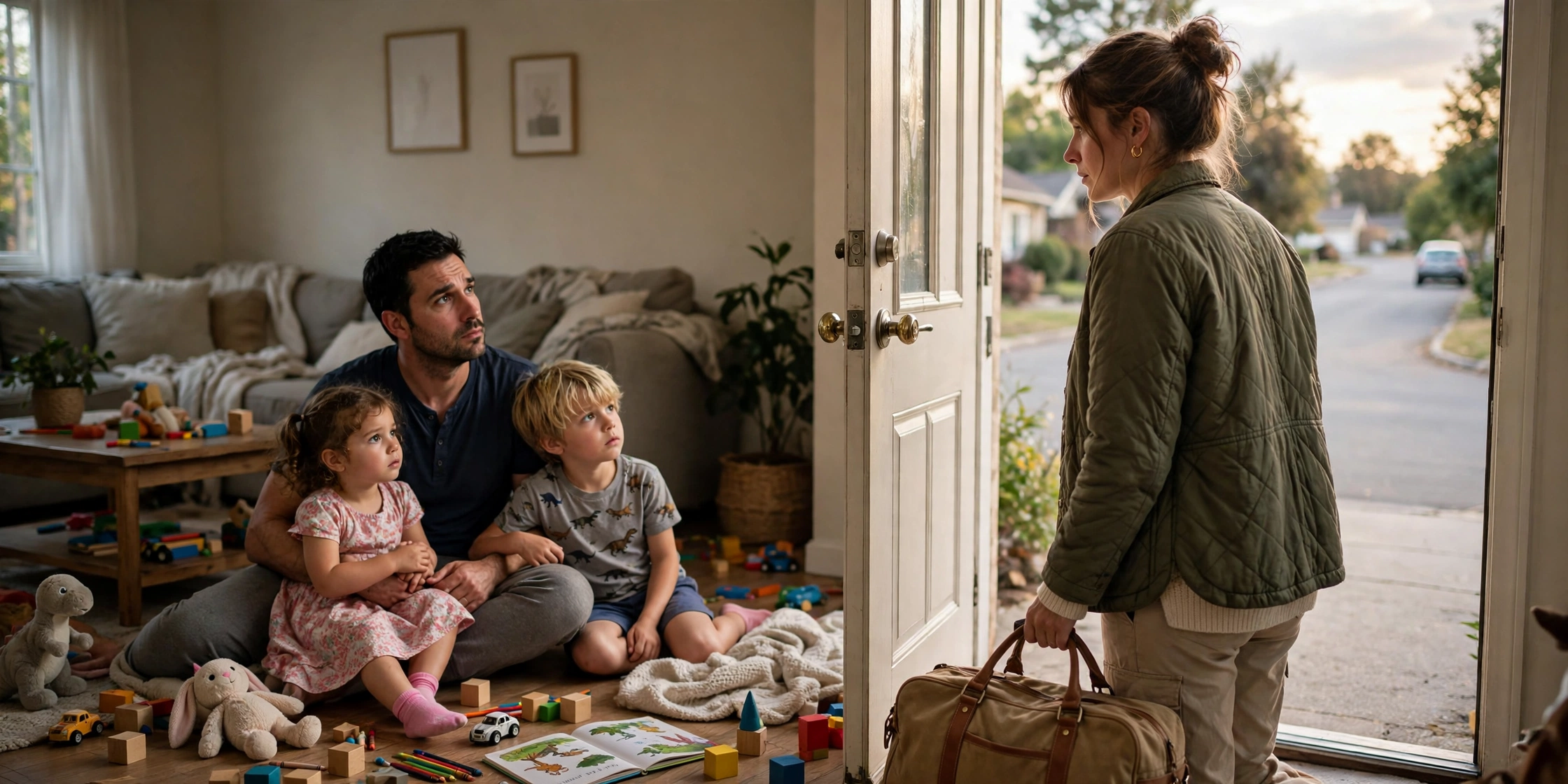
Before having children, you knew who you were. You had dreams, goals, interests, and a vision for your future. Then you became a mother, and suddenly the conversation shifted to finding yourself again. But here's a question worth asking: when did becoming a parent become something people have to recover their identity from, and what happens to the people depending on you while you're trying to rediscover it?
There's a phrase that comes up frequently in conversations about motherhood: "I need to find myself again."
Sometimes it's a woman explaining that she lost touch with her identity after having children. Other times, it's someone describing how motherhood changed her priorities, limited her independence, or made her feel like her entire existence revolves around taking care of everybody else.
And to be fair, becoming a parent can dramatically change your life. Pregnancy, childbirth, recovery, childcare, sleep deprivation, and the constant responsibility of raising another human being can affect a person's physical and emotional well-being.
But there's another side to this conversation. When does rediscovering yourself become an excuse to distance yourself from the responsibilities you voluntarily took on? And why do some families end up reorganizing their entire lives around one parent's search for personal fulfillment?
Motherhood Changes Your Life, but It Doesn't Have to Erase Your Identity
Having a child introduces responsibilities that didn't exist before. Your schedule changes. Your financial priorities change. Your freedom to make spontaneous decisions changes. Even something as simple as leaving the house can require planning around another person's needs.
That adjustment can be difficult, particularly when someone wasn't prepared for how much parenthood would change their everyday life.
But becoming a mother doesn't mean the person you were before has disappeared. Your interests, ambitions, personality, friendships, and individual goals can still exist alongside motherhood.
The challenge is learning how to balance those parts of your identity rather than believing you must completely abandon one to experience the other.
Why Does Rediscovering Yourself Sometimes Become a Relationship Problem?
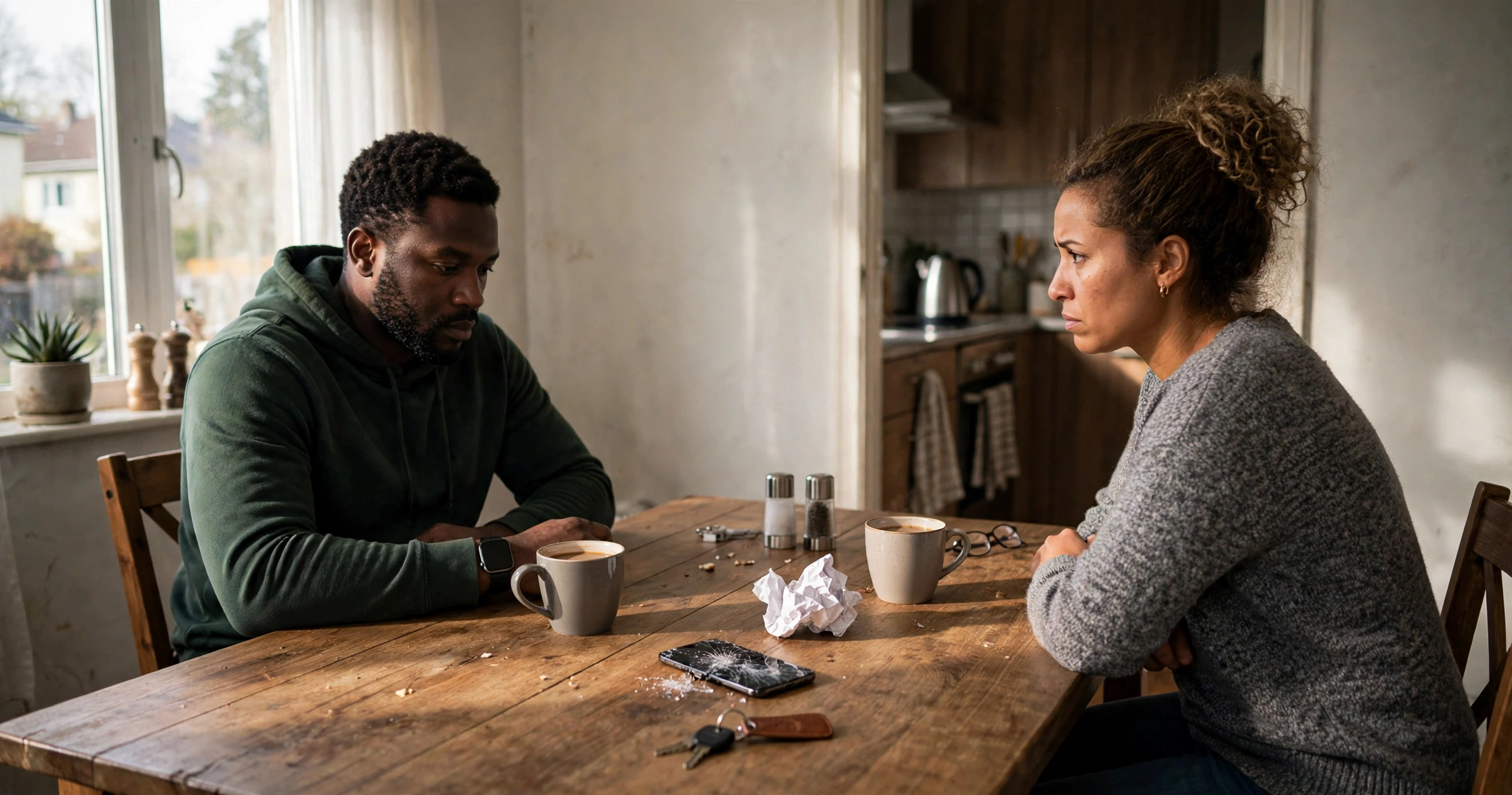
Here's where things become complicated for couples.
One partner may feel overwhelmed by parenting responsibilities and want more independence. The other partner may be working, contributing financially, helping raise the children, and trying to maintain the relationship at the same time.
Both people can feel like they've sacrificed something.
The problem starts when one person's desire to reclaim their independence becomes more important than discussing how the family will function. Suddenly, one person is expected to provide stability while the other figures out what they want from life.
Personal growth is important, but it shouldn't require another person to silently absorb every consequence. If someone needs more time, support, independence, or space, those needs should be discussed honestly rather than becoming an unspoken obligation for their partner.
Fatherhood Changes Men's Lives Too
There's an important double standard worth examining.
Men become fathers and experience enormous changes in their lives too. They may give up hobbies, work longer hours, change career plans, sacrifice personal time, and reorganize their priorities around their children.
Yet men aren't always given the same encouragement to announce that they need to disappear for a while and find themselves.
Many are expected to adapt, provide, remain emotionally available, and continue functioning without making their personal sacrifices the center of the conversation.
That doesn't mean men never struggle with identity after becoming fathers. They do. It means both parents deserve to have their experiences acknowledged. Motherhood shouldn't erase a woman's individuality, and fatherhood shouldn't erase a man's.
You Can Still Be an Individual Without Walking Away From Responsibility
One of the biggest misconceptions about parenthood is that personal fulfillment and family responsibility are competing interests.
They don't have to be.
A mother can pursue education, build a business, spend time with friends, exercise, travel, develop new interests, and work toward personal goals. A father can do the same. Neither parent should have to surrender their entire identity to prove they're committed to their children.
But there is a difference between making room for yourself and expecting everybody else to rearrange their lives around you.
Healthy parenting requires cooperation. Both adults need time to recharge, pursue interests, and maintain their individuality. That means the responsibilities have to be shared fairly, not assigned to whichever parent is expected to tolerate the most inconvenience.
Children Shouldn't Become Collateral Damage in an Identity Crisis
Children don't understand adult identity struggles the way adults do. They understand consistency. They notice who shows up, who spends time with them, who listens, and who is available when they need help.
Parents are allowed to struggle. They're allowed to feel overwhelmed. They're allowed to need help. But children shouldn't have to experience instability because the adults responsible for them haven't figured out how to balance their personal lives with parenting.
And this applies to fathers just as much as mothers. A man can't use the pressure of fatherhood as an excuse to abandon his responsibilities either.
The goal should be to build a life where parents can grow as individuals while still providing children with the consistency they need.
Maybe the Real Problem Is That Nobody Prepared Us for the Identity Shift
People spend a lot of time discussing pregnancy announcements, baby showers, names, nursery decorations, and the excitement of bringing a child into the world.
But how much time do people spend discussing what happens afterward?
Who handles the childcare? How will finances change? How will each parent maintain personal time? What happens to career ambitions? How will responsibilities be divided? What happens when one person feels overwhelmed?
These conversations matter before a child arrives, not just when somebody reaches a breaking point and announces they need to find themselves again.
Parenthood is a major life transition. It requires preparation, communication, and an understanding that both people are entering a different chapter.
You Don't Have to Lose Yourself to Become a Good Parent
Perhaps the better question isn't why some women need to find themselves after having children. It's why so many people enter parenthood without a realistic plan for maintaining their individuality while raising a family.
You can be a mother and still be a woman with ambitions. You can be a father and still be a man with personal goals. You can love your children without making parenting your only identity.
But both parents have to recognize that personal freedom comes with shared responsibility. You cannot demand independence for yourself while expecting your partner to carry the entire family structure.
Having children changes your life. It doesn't mean your life is over, and it doesn't mean you have to abandon who you are. But if you're going to rediscover yourself, make sure you're not asking everybody else to lose themselves in the process. Your children didn't ask to be part of your identity crisis. They deserve parents who are growing, not parents who are constantly disappearing from the responsibilities of the family.









Comments
No comments yet, be the first submit yours below.