Voting Suppression: Blocking the Black Ballot

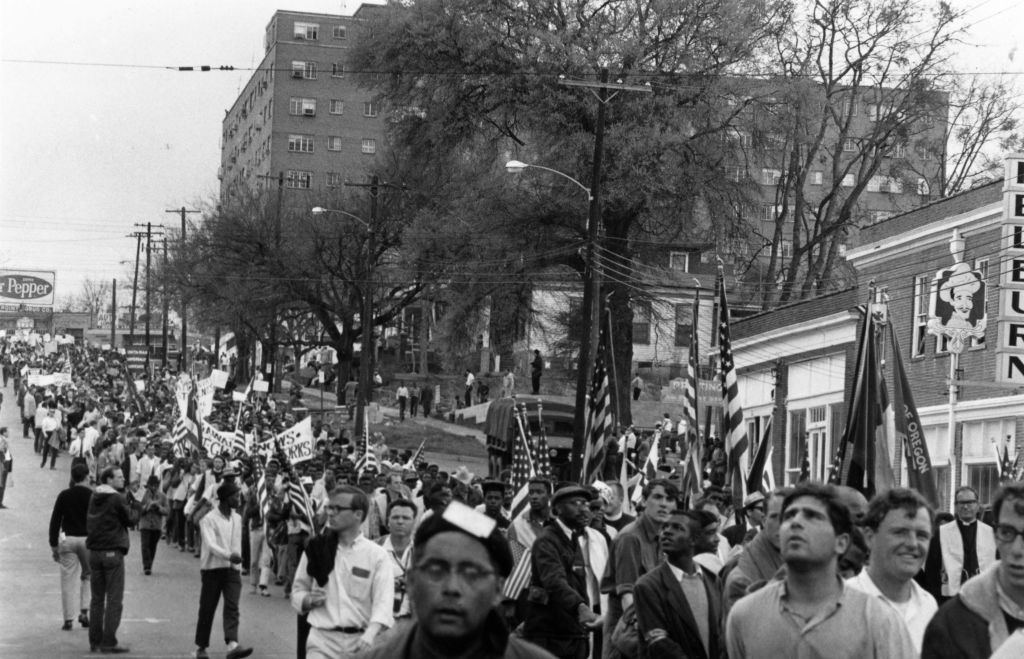
A Right Constantly Challenged
After the Civil War, the 15th Amendment granted Black men the right to vote. However, almost immediately, states began creating barriers to suppress that right. Poll taxes, literacy tests, grandfather clauses, and outright intimidation were used to prevent Black citizens from participating in elections. Though technically legal on paper, access to the ballot was systematically denied in practice.
Violence and Intimidation
Beyond legal obstacles, violence played a major role in voter suppression. Black citizens attempting to register or vote faced threats, job loss, eviction, physical assault, and even death. White supremacist groups targeted Black political participation because voting represented power — and power challenged racial hierarchy.
Jim Crow and Political Disempowerment
During the Jim Crow era, voter suppression was widespread across the South. Black political representation dwindled, and policies were passed without input from Black communities. The exclusion from democratic processes allowed discriminatory laws to flourish unchecked.
The Voting Rights Movement
Activists organized boycotts, marches, and legal challenges to confront suppression. The 1965 Voting Rights Act became a landmark victory, prohibiting discriminatory voting practices. However, enforcement required ongoing vigilance, as states continued to seek new methods of limiting access.
Modern Challenges
In recent decades, debates over voter ID laws, polling place closures, and redistricting have raised concerns about disproportionate impacts on Black voters. While the methods may have changed, the struggle over access to the ballot remains a significant issue in discussions about equity and democracy.
Voting suppression has been a recurring strategy in the unfair treatment of Black Americans. Limiting political power limits the ability to influence policy, protect rights, and shape the future — making access to the ballot central to equality.







Comments
No comments yet, be the first submit yours below.