Why Mainstream Narratives Often Miss the Full Picture

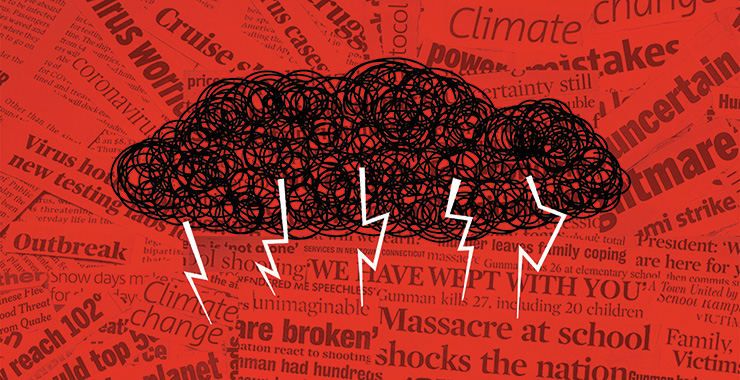
In 2026, the average person relies heavily on mainstream media for information—but these sources rarely provide the full story. Corporate interests, editorial biases, and structural limitations often shape which narratives are amplified and which are minimized. For truth seekers, recognizing these gaps is the first step toward independent understanding and critical analysis.
1. Economic and Political Incentives Shape Stories
What gets reported is rarely neutral.
Media outlets operate within financial and political ecosystems. Stories that threaten advertising revenue or contradict governmental interests may be underreported or spun in ways that align with institutional agendas. Understanding these pressures is essential for separating surface-level narratives from underlying truths.
2. Simplification Over Complexity
Nuance rarely fits in headlines.
Journalistic models prioritize speed and clarity, often at the expense of depth. Complex events are reduced to simplified versions that are easier to digest but omit important context. Truth seekers must look beyond headlines and explore primary sources to grasp the full picture.
3. Sensationalism Drives Attention
Emotions often outweigh facts.
Stories that provoke fear, anger, or surprise perform better in terms of engagement. Mainstream narratives often emphasize the dramatic over the accurate, creating a skewed sense of priorities. Recognizing this bias helps viewers adjust their interpretation of what truly matters.
4. Gatekeeping Limits Exposure
Some information is never presented to the public.
Editorial decisions, content moderation, and selective reporting control which topics reach audiences. Truth seekers who rely solely on mainstream outlets may never encounter critical data, alternative perspectives, or dissenting voices.
5. Repetition Creates Perceived Consensus
What is repeated often is assumed true.
Constant reinforcement of certain narratives gives the illusion of universality. Even when information is incomplete or biased, repetition in multiple outlets convinces audiences of its accuracy, creating invisible boundaries around public perception.
6. Independent Verification Is Essential
Trust but verify—or risk deception.
Cross-referencing sources, exploring non-mainstream reporting, and critically examining evidence are essential practices. Truth seekers who invest time in verification develop a deeper understanding and resist being misled by incomplete or biased mainstream narratives.
Final Thought
Mainstream narratives are shaped by interests, simplification, and attention economics. To uncover fuller truths, truth seekers must question, verify, and explore beyond the curated stories. In 2026, critical thinking and independent research are not optional—they are essential tools for anyone navigating the information landscape.







Comments
No comments yet, be the first submit yours below.