Thinking Five Moves Ahead: Applying Chess Strategy to Life and Business

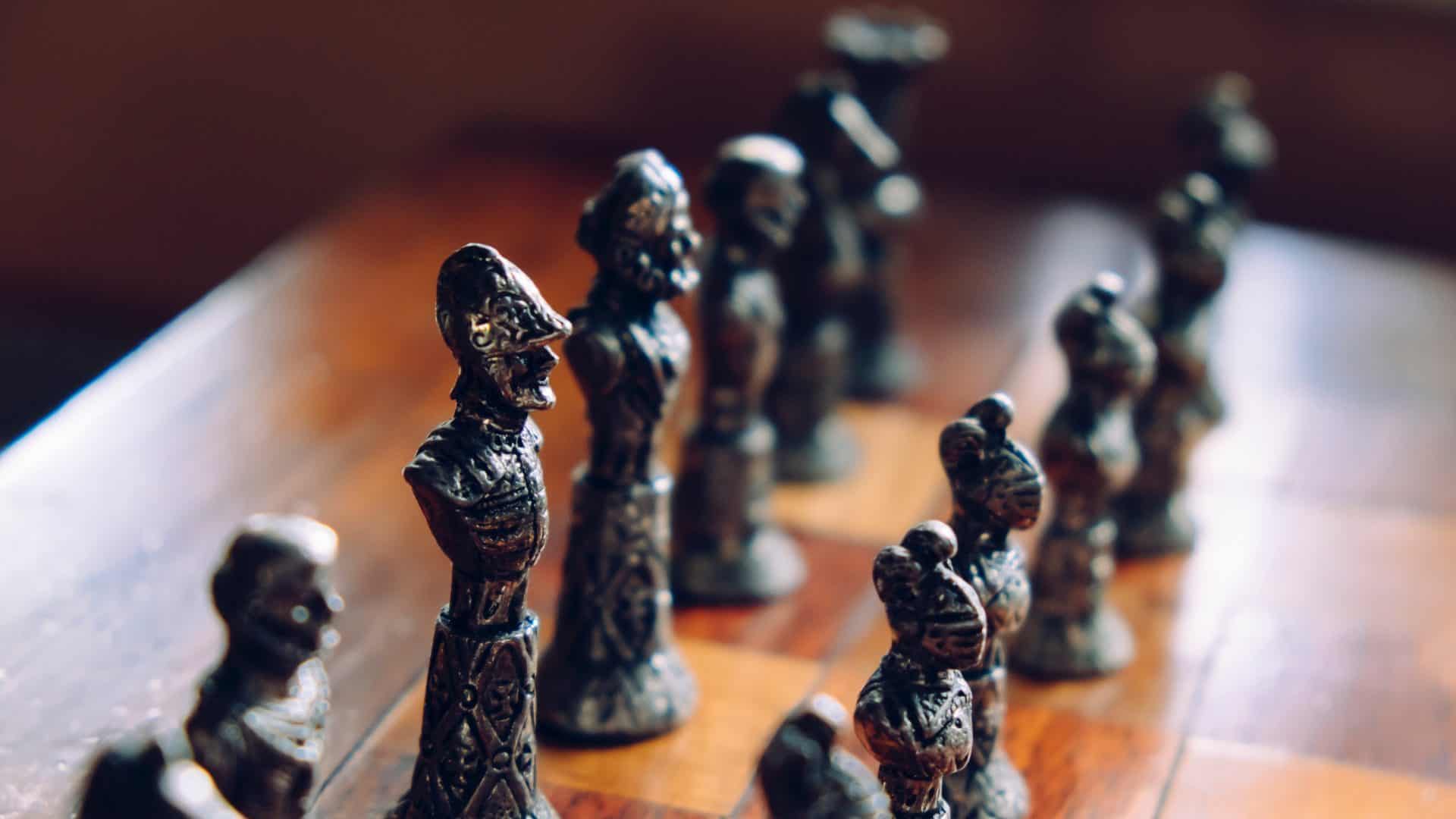
Life, like chess, is a series of interconnected decisions.
Every choice we make ripples forward, affecting future options and outcomes. Recognizing the consequences of actions allows for proactive rather than reactive living. Chess teaches the importance of anticipating outcomes several moves ahead. By viewing each decision as part of a larger sequence, individuals can avoid pitfalls and exploit opportunities. Understanding cause and effect improves foresight, enabling better planning in business, relationships, and personal growth. Strategic thinking requires evaluating both immediate and downstream implications. Patterns observed in past experiences guide predictions about future scenarios. Awareness of interdependencies sharpens judgment and reduces mistakes. Thinking several steps ahead transforms uncertainty into manageable possibilities. Life becomes a game of calculated moves, where knowledge and preparation dictate advantage.
Control the center to control your path.
In chess, dominating the center provides maximum flexibility and influence over the board. Similarly, controlling the core aspects of your life—resources, skills, and relationships—creates strategic leverage. Focus on strengthening foundational areas that impact multiple facets of your life. Central control allows easier response to challenges and better exploitation of opportunities. Awareness of weak spots and potential vulnerabilities prevents surprise setbacks. Prioritizing what matters most ensures stability and maximizes influence. Flexibility, adaptability, and foresight are magnified when your core is strong. Chess teaches that peripheral gains are less impactful without central strength. Maintaining control over key aspects of life enables more confident decision-making. Investing in fundamentals pays dividends across all areas of strategy.
Think in sequences, not isolated actions.
Isolated decisions rarely achieve long-term success. Planning sequences of moves allows anticipation of challenges and opportunities in advance. In business, this might involve mapping projects, partnerships, or market shifts. In personal development, it may mean sequencing skills, habits, and experiences strategically. Chess emphasizes the importance of visualizing multiple moves and their consequences. Practicing this mindset trains foresight and reduces reactive behavior. Evaluating how one action triggers another creates a chain of strategic advantage. Sequence thinking improves risk management, resource allocation, and timing. Each step is informed by a larger vision, allowing coherent progression toward goals. Strategic sequencing ensures that effort compounds into meaningful results. Anticipating the cascade of outcomes is key to achieving mastery in any domain.
Adaptability turns threats into opportunities.
No strategy survives without the ability to adjust. Chess players constantly revise plans in response to unexpected moves, and life requires the same flexibility. Anticipating potential disruptions and preparing contingency plans ensures resilience. When faced with challenges, reframing them as opportunities allows proactive problem-solving. Observing patterns and adjusting tactics provides advantage even in uncertain situations. Flexibility requires both self-awareness and external awareness, knowing your own strengths and limits while reading the environment. Adaptability is a skill developed through reflection, practice, and scenario analysis. Rigid adherence to plans without adjustment can lead to failure. Viewing setbacks as information rather than punishment allows learning and growth. Strategic adaptability turns adversity into leverage, transforming threats into stepping stones.
Every sacrifice should have a purpose.
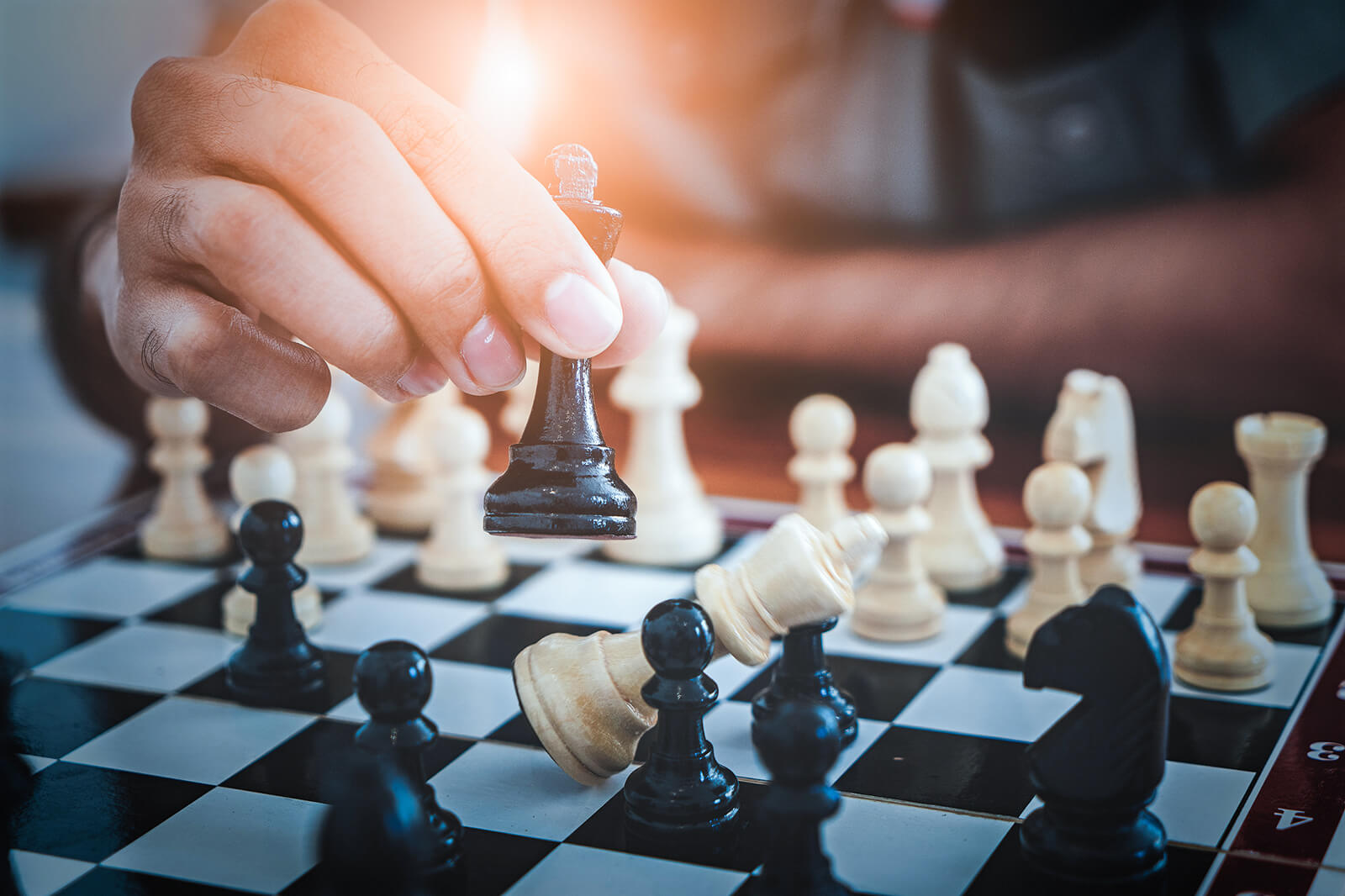
In chess, pieces are often sacrificed for long-term gain or positional advantage. Similarly, in life and business, temporary losses or compromises may be necessary to achieve larger objectives. Understanding the strategic value of short-term sacrifice prevents unnecessary loss. Evaluating cost-benefit outcomes ensures that sacrifices contribute meaningfully to your overall plan. Timing, positioning, and context determine whether giving up something now will pay off later. Awareness of opportunity costs helps prioritize choices and avoid misallocation of resources. Intentional sacrifice demonstrates foresight, discipline, and long-term thinking. Random losses without purpose weaken strategy and morale. Every action should contribute to broader goals, maximizing the impact of effort. Learning when and how to sacrifice enhances both tactical and strategic success.
Observe your opponents carefully.
Understanding those you interact with, compete against, or negotiate with provides critical insight. In chess, reading an opponent’s tendencies and intentions informs decision-making. In life and business, observing patterns, motivations, and behaviors allows for preemptive strategy. Awareness of strengths, weaknesses, and habitual tendencies empowers proactive planning. Intelligence gathering—without judgment or bias—enhances strategic options. Predicting potential moves helps prepare defenses and exploit opportunities. Observing without interference prevents revealing your own intentions prematurely. Patience in understanding opponents creates leverage and reduces unnecessary risks. Knowledge of others’ patterns informs both action and adaptation. Strategic observation turns uncertainty into actionable insight, creating advantage across all domains.
Time management is as critical as the move itself.
Chess teaches that time is finite, and decisions must balance quality and efficiency. Life operates similarly; procrastination or rushed choices can lead to missed opportunities. Prioritizing actions, allocating attention, and pacing efforts ensures optimal results. Awareness of both immediate and long-term timing enhances strategy. Every move should consider opportunity cost and resource expenditure. Efficiency does not mean haste; it means deliberate focus aligned with strategic objectives. Developing intuition about when to act versus when to wait is a key skill. Balancing speed and depth ensures that decisions have maximum impact. Time, like resources, is limited; effective strategy multiplies its value. Managing timing is essential to achieving both tactical and strategic goals.
Patience compounds advantage.
In chess, rushing often leads to errors, while measured play allows the accumulation of small advantages. Life and business mirror this principle. Incremental gains, thoughtful preparation, and sustained effort lead to lasting impact. Impulsive actions often forfeit opportunities that careful observation and calculation reveal. Patience enhances decision quality, foresight, and adaptability. Strategic waiting creates leverage, enabling more effective deployment of resources and influence. Understanding when to act and when to hold back compounds success over time. Long-term vision requires endurance and restraint. Avoiding reactionary choices allows cumulative advantage to build. Patience transforms tactical actions into strategic victories, shaping outcomes with intention and precision.
Learning from mistakes accelerates mastery.
Every failed move, missed opportunity, or miscalculation provides insight for improvement. In chess, analyzing errors is critical for growth. Life and business benefit from the same reflective practice. Systematically reviewing decisions, outcomes, and consequences improves foresight, intuition, and judgment. Mistakes reveal weaknesses in strategy, knowledge gaps, and hidden risks. Awareness and humility in recognizing errors enhance resilience and adaptability. Learning from experience converts setbacks into tools for future advantage. Documenting lessons, adjusting plans, and testing new approaches strengthens long-term strategy. Continuous reflection and adaptation are hallmarks of mastery. Failure becomes a resource rather than a deterrent. Strategic self-analysis accelerates both personal growth and decision-making competence.







Comments
No comments yet, be the first submit yours below.