Behind the Curtain: How Systems Keep Secrets and Shape Reality

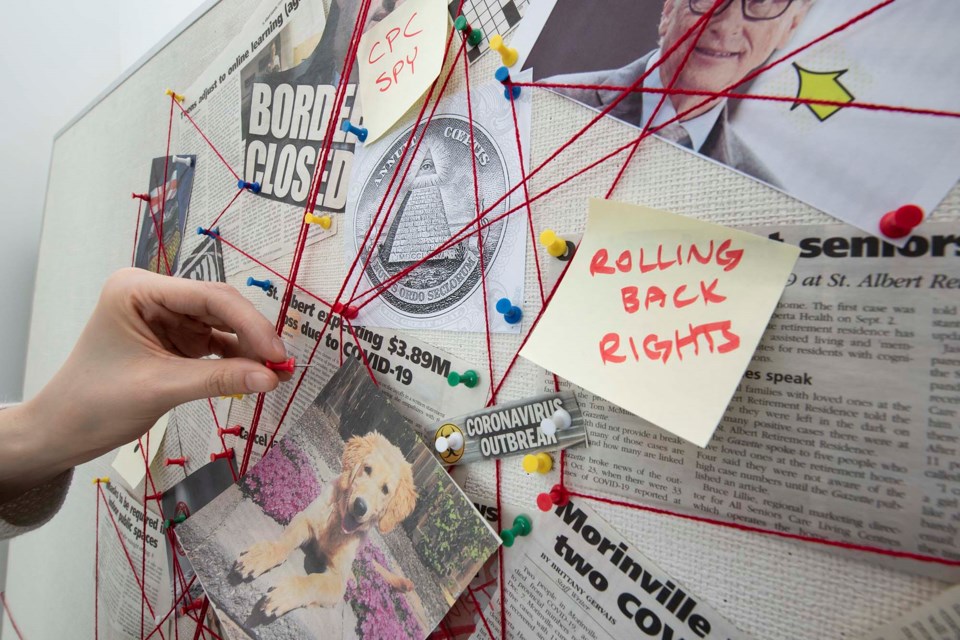
What you don’t see often matters more than what you do.
Systems maintain control through omission, hiding information that could shift behavior or perception. Governments, corporations, and media filter narratives to direct attention, reinforce norms, and prevent dissent. Those who accept only visible information are limited to reactive behavior. Truth-seekers learn to question gaps, identify inconsistencies, and seek context beyond what is presented. Awareness of hidden forces allows proactive decision-making and insight into unseen influence. Recognizing omission as a tool transforms confusion into strategic clarity. Many events and social structures are shaped by decisions and agendas that remain invisible to the public. Investigating these gaps equips individuals to understand motives, predict patterns, and navigate complexity. What is left unsaid is often the most powerful signal available. Developing curiosity and skepticism sharpens perception in an environment built on selective disclosure.
Media and narratives are tools of influence, not neutral reporting.
Stories, news, and social commentary often prioritize framing over factuality. Narratives are constructed to shape perception, influence behavior, and reinforce systemic goals. Understanding framing, bias, and agenda allows you to separate signal from manipulation. Strategic analysis of information involves questioning sources, timing, omissions, and context. Those who fail to recognize narrative control are influenced passively. Media literacy equips individuals to anticipate manipulation and uncover hidden truths. Every story is curated, emphasizing certain perspectives while suppressing others. Awareness of narrative engineering strengthens critical thinking and decision-making. By examining patterns in messaging, individuals can predict outcomes and identify motives. Mastering narrative analysis turns consumption into insight rather than passive influence.
Financial, political, and social systems often operate to maintain hierarchy and control.
Systemic power is rarely overt; it is embedded in policies, norms, and enforcement mechanisms. Economic rules, bureaucratic structures, and social expectations create predictable behaviors that benefit certain groups. Understanding these systems allows strategic navigation, avoidance of traps, and leveraging opportunities. Control is maintained subtly through incentives, barriers, and the flow of information. Awareness of hierarchy and leverage enables individuals to act with foresight rather than reaction. Systems are designed to normalize dependence and limit autonomy without appearing coercive. Those who recognize systemic intent can identify loopholes, anticipate constraints, and reclaim agency. Mastering these dynamics empowers critical thinking, strategy, and survival in complex environments. Observation, questioning, and analysis are essential tools for anyone seeking freedom from manipulation. True influence comes from seeing the architecture beneath the surface.
Critical thinking is the most powerful tool against hidden control.
Blind acceptance of authority and conventional wisdom leaves individuals vulnerable to manipulation. Questioning assumptions, verifying sources, and analyzing patterns are fundamental to truth-seeking. Critical thinkers separate perception from reality, uncover hidden motives, and anticipate manipulation. Developing skepticism does not mean cynicism — it means applying logic and inquiry consistently. The ability to challenge narratives without bias allows insight into both overt and covert systems. Strategic thought turns observation into actionable intelligence. People who cultivate analytical rigor navigate complexity, avoid traps, and make informed decisions. Awareness of psychological influence enhances the ability to interpret social and systemic signals. Critical thinking transforms passive subjects into empowered participants. Mastering this skill is essential for anyone seeking clarity in a world shaped by hidden forces.
Knowledge is power, but applied knowledge is freedom.
Information without action is impotent. Truth-seekers must not only uncover hidden facts but integrate them into strategy and decision-making. Applied knowledge allows prediction, preparation, and influence over circumstances that seem uncontrollable. Systems operate on compliance and ignorance; understanding alone only scratches the surface. Strategic application of insight transforms awareness into leverage, reducing vulnerability and enhancing opportunity. Those who act on knowledge shape their own outcomes rather than react to imposed structures. Compounding learning over time creates advantage in both personal and collective spheres. Knowledge paired with execution builds autonomy, resilience, and influence. Every discovery becomes a tool when applied intentionally. The path to freedom begins with understanding, but it is completed through deliberate action.







Comments
No comments yet, be the first submit yours below.