Why Silence Is the System’s Favorite Weapon


Silence is not neutral, even though it is often framed that way. When institutions choose not to speak, clarify, or correct, they are usually exercising power rather than restraint. Silence allows confusion to grow, and confusion keeps people divided and hesitant. Most people assume silence means uncertainty, but in reality it often signals confidence that the public will adapt on its own. Over time, silence trains people to lower their expectations for transparency. Eventually, people stop asking questions altogether. That is not an accident; it is a result.
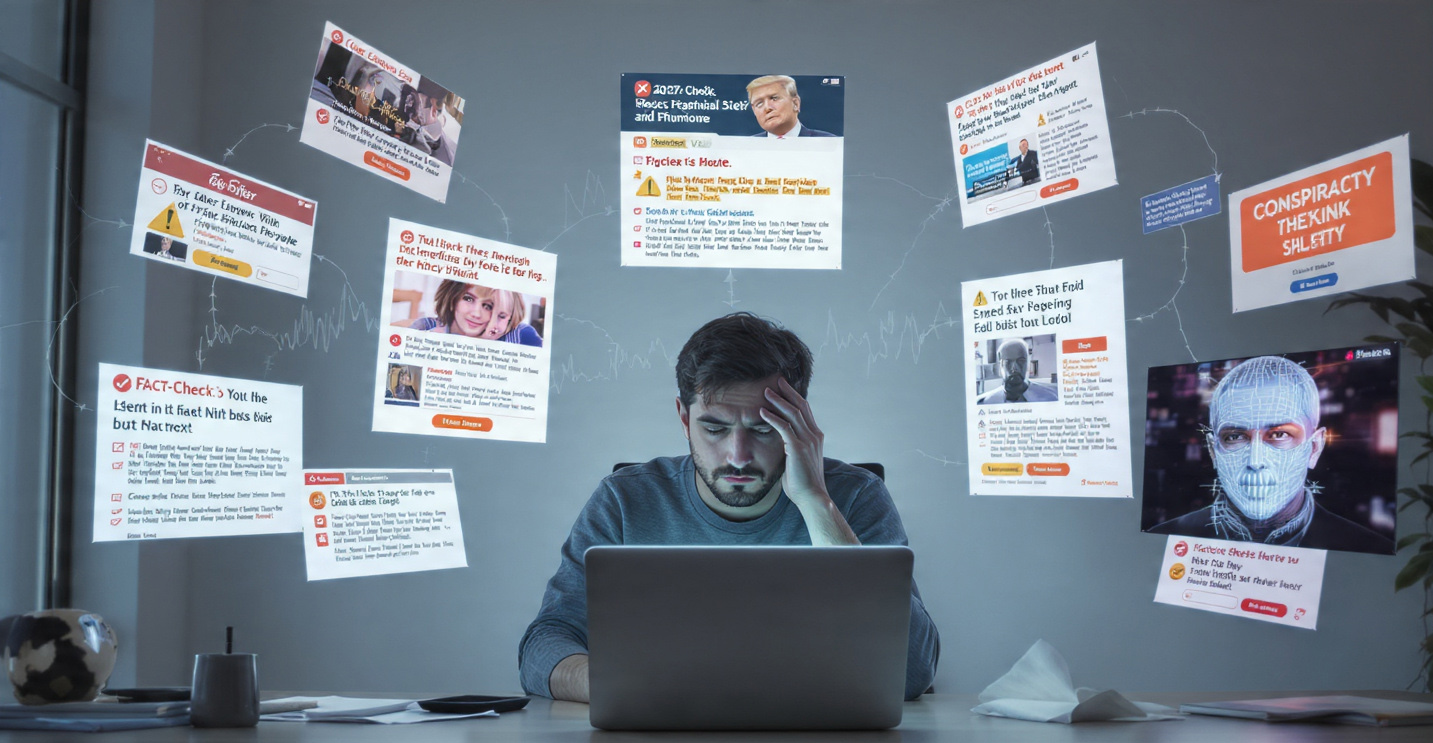
Psychologically, silence creates anxiety because humans are wired to seek patterns and explanations. When answers are withheld, the mind fills in the gaps, often blaming itself rather than the system. This is why silence is so effective at maintaining control without visible force. No threats are issued, no rules announced, yet behavior still changes. People begin to self-censor, self-limit, and self-correct just to avoid uncertainty. The system does not need to say “no” when it can simply say nothing. Over time, this becomes internalized obedience.
Silence also protects power by avoiding accountability. A statement can be challenged, debated, or disproven, but silence leaves nothing to confront directly. When people demand explanations, silence reframes them as impatient or unreasonable. The burden subtly shifts from those in power to those asking questions. This creates a social dynamic where curiosity feels disruptive rather than necessary. Eventually, silence becomes normalized as professionalism or discretion. In reality, it is insulation.
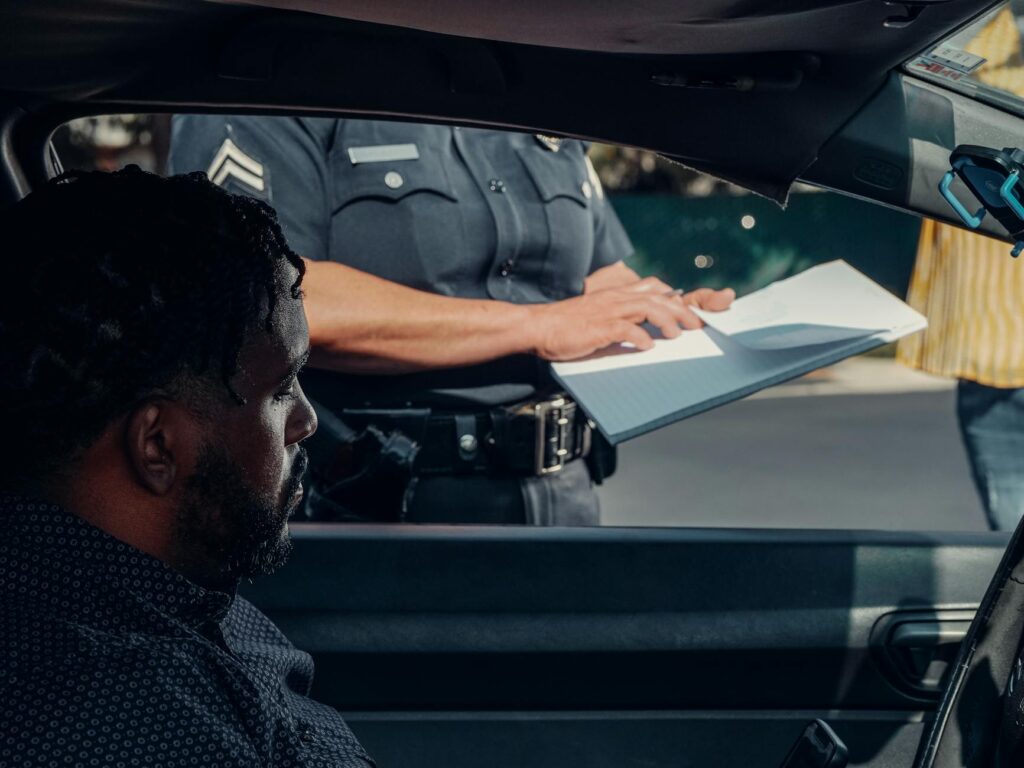
In relationships, workplaces, and governments, silence functions the same way. The person or institution with more power can afford to wait, while the other side grows uncomfortable. That discomfort pushes people to compromise before any negotiation even begins. Silence forces the less powerful party to reveal their position first. Once that happens, leverage is lost. This tactic works precisely because it looks passive while producing active results. Power prefers to remain unseen.
Modern systems have refined silence into a strategy of delay. Policies are “under review,” answers are “forthcoming,” and timelines are left undefined. This keeps people in a constant state of anticipation rather than action. When change is always just around the corner, resistance never fully forms. People stay hopeful instead of organized. Delay dressed up as silence is one of the most effective forms of control in the digital age.
Silence also fragments collective action. Without clear information, people argue about interpretations instead of organizing around facts. This turns potential allies into adversaries. Discussions become emotional rather than strategic. The system benefits from this chaos while remaining outwardly uninvolved. When silence is broken, it is often too late for meaningful response. Momentum has already been lost.
Breaking the spell of silence requires recognizing it as an action, not an absence. Once people see silence as intentional, its power weakens. Questions become sharper, demands become clearer, and patience becomes strategic rather than submissive. Silence only works when it goes unnamed. When identified, it becomes visible—and visibility threatens control. Power hates being seen.









Comments
No comments yet, be the first submit yours below.