How Modern Life Quietly Became a System of Constant Observation

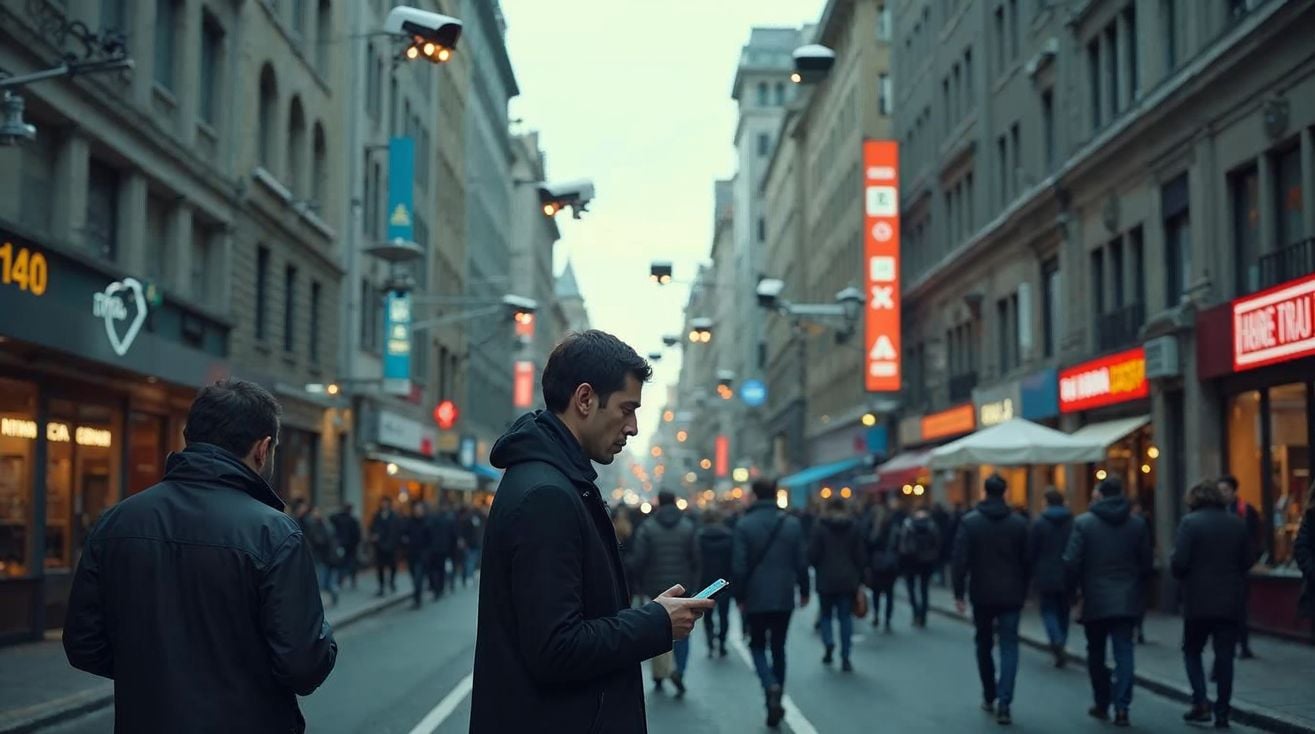
Surveillance used to require effort. Now it happens automatically.
Not long ago, monitoring large populations required physical observers, paperwork, and significant manpower. Today, much of that process is automated. Smartphones, cameras, online accounts, and digital services generate constant streams of data about daily behavior. Most of it is collected quietly in the background of normal life.
Technology makes tracking effortless.
Location services, online purchases, social media activity, and app usage all leave digital trails. Companies collect this information to personalize services, improve advertising, and analyze consumer behavior. While many of these systems provide useful features, they also create detailed records of everyday routines.
Convenience encourages participation.
Many people willingly trade privacy for convenience. Navigation apps guide drivers through traffic, digital assistants answer questions instantly, and smart devices automate homes. These tools simplify life, but they also require access to personal information in order to function effectively.
Data becomes valuable currency.
Information about habits, interests, and patterns has become one of the most valuable assets in the modern economy. Businesses use data to predict trends, target advertisements, and design products that capture attention. The more information collected, the more accurately behavior can be anticipated.
Awareness helps restore balance.
Understanding how data is collected allows individuals to make more intentional choices. Adjusting privacy settings, limiting unnecessary data sharing, and being mindful about digital footprints can reduce exposure. Complete privacy may be difficult in a connected world, but informed decisions can still protect personal boundaries.
Surveillance today rarely looks like someone watching from the shadows. Instead, it operates quietly through everyday technology that most people carry in their pockets.
Surveillance used to require effort. Now it happens automatically.
Not long ago, monitoring large populations required physical observers, paperwork, and significant manpower. Today, much of that process is automated. Smartphones, cameras, online accounts, and digital services generate constant streams of data about daily behavior. Most of it is collected quietly in the background of normal life.
Technology makes tracking effortless.
Location services, online purchases, social media activity, and app usage all leave digital trails. Companies collect this information to personalize services, improve advertising, and analyze consumer behavior. While many of these systems provide useful features, they also create detailed records of everyday routines.
Convenience encourages participation.
Many people willingly trade privacy for convenience. Navigation apps guide drivers through traffic, digital assistants answer questions instantly, and smart devices automate homes. These tools simplify life, but they also require access to personal information in order to function effectively.
Data becomes valuable currency.
Information about habits, interests, and patterns has become one of the most valuable assets in the modern economy. Businesses use data to predict trends, target advertisements, and design products that capture attention. The more information collected, the more accurately behavior can be anticipated.
Awareness helps restore balance.
Understanding how data is collected allows individuals to make more intentional choices. Adjusting privacy settings, limiting unnecessary data sharing, and being mindful about digital footprints can reduce exposure. Complete privacy may be difficult in a connected world, but informed decisions can still protect personal boundaries.
Surveillance today rarely looks like someone watching from the shadows. Instead, it operates quietly through everyday technology that most people carry in their pockets.
:max_bytes(150000):strip_icc()/couple-drinking-coffee-face-to-face-in-cafe-595346999-5868719b5f9b586e02000bf5.jpg)









Comments
No comments yet, be the first submit yours below.