Why Modern Winter Survival Is About Strategy, Not Gear

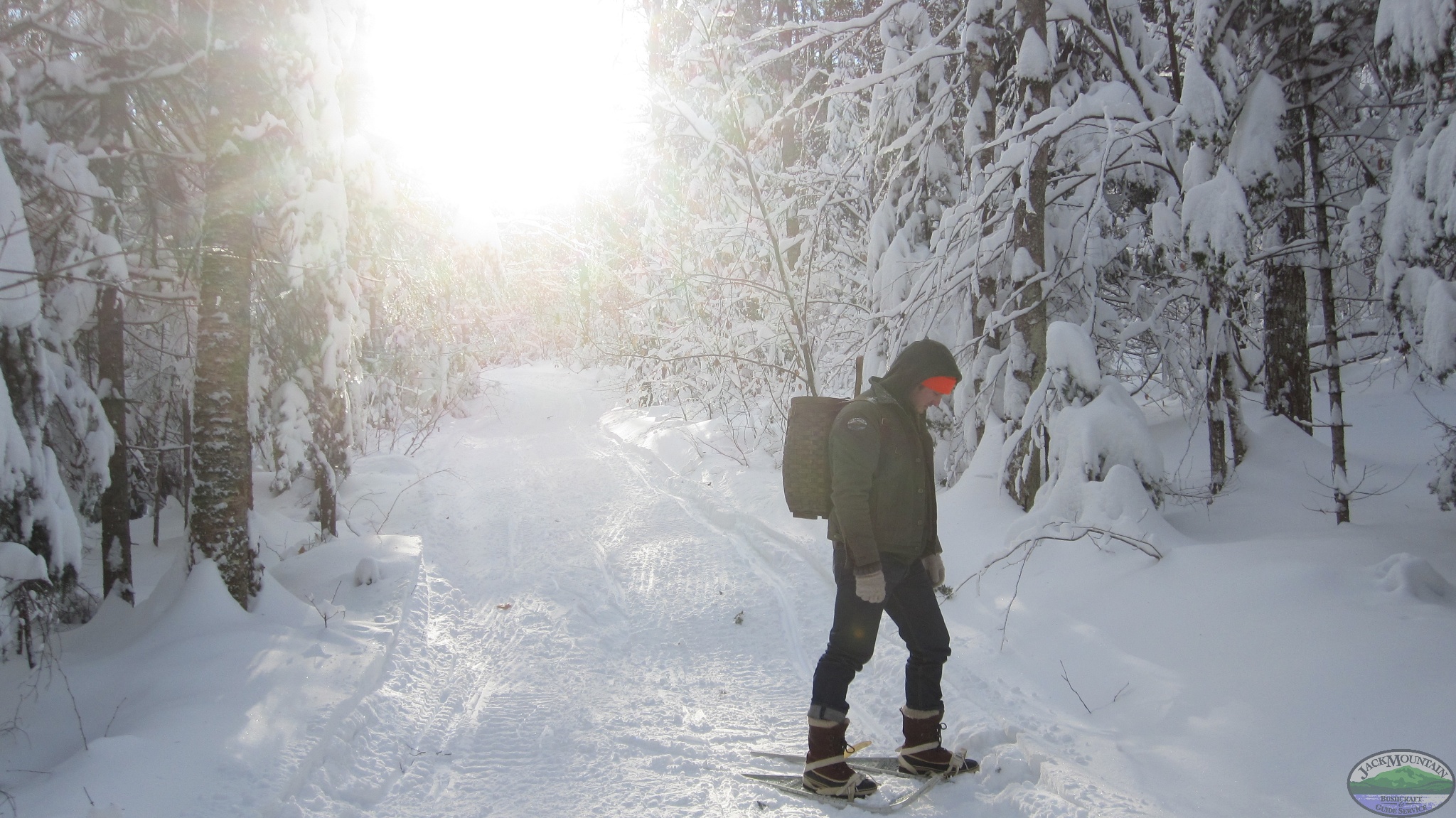
When temperatures drop below freezing, most people think survival is about owning the best gear: expensive coats, high-tech boots, or the latest insulated gloves. While equipment matters, the real key to surviving harsh winter conditions is strategy. Understanding how to move, conserve energy, and prioritize resources can be the difference between safety and crisis. People often overestimate gear and underestimate planning. Proper preparation, situational awareness, and practical decision-making determine whether cold becomes dangerous or manageable.
Planning begins with mobility. In severe cold, movement generates heat, prevents frostbite, and allows you to reach shelter or resources efficiently. Standing still or overexerting yourself can be equally dangerous. Knowing your route, calculating distances, and anticipating environmental hazards keeps risk manageable. Mobility is also about timing: avoiding the coldest hours, using windbreaks, and identifying safe rest spots. Gear without strategy will fail if you don’t understand how and when to use it.
Layering is another survival strategy, not just a clothing choice. Proper thermal layering allows regulation of body temperature while conserving energy. Cotton is dangerous because it retains moisture; wool, synthetics, and insulation work better. But clothing alone is insufficient. Layering must be combined with awareness of activity levels, hydration, and nutrition. Overheating leads to sweat, which cools and accelerates heat loss, so understanding the dynamic balance between warmth and perspiration is critical.
Nutrition and hydration are often overlooked in winter survival. Cold environments increase calorie demands, and dehydration accelerates fatigue and frostbite. Eating high-energy foods, staying hydrated even when you don’t feel thirsty, and carrying compact, easy-to-access nutrition can sustain energy over long periods. Without a plan for food and water, even the best gear is ineffective. Energy management is strategy in action: knowing when and how to replenish to maintain body heat and alertness.
Shelter is not just a structure; it’s a strategy for survival. Wind, snow accumulation, and proximity to resources determine whether a shelter keeps you safe. Improvised snow walls, natural formations, or portable tents all work, but understanding exposure, insulation, and accessibility is key. A warm jacket is useless if wind chills your extremities while you sleep. Survival is about integrating gear, knowledge, and situational awareness into a coherent plan for shelter and rest.
Psychology plays a critical role in winter survival. Panic, poor judgment, or overconfidence can lead to mistakes. Calm assessment, incremental progress, and adaptability allow people to survive longer and make better choices. Mental preparation includes scenario planning: considering what to do if conditions worsen, supplies run low, or gear fails. Survival is more about mindset than luxury items; those who remain strategic mentally are more likely to endure physically.
Technology can help, but only when integrated into strategy. GPS, mobile alerts, and weather apps provide critical information, but reliance without understanding terrain, timing, and conditions is dangerous. Technology supplements strategy but cannot replace it. Knowing when to trust devices, when to rely on skill, and when to improvise separates survival from catastrophe. Modern survival requires blending digital tools with old-school knowledge and tactical thinking.
Group dynamics also influence survival. Coordinating with others, sharing resources, and maintaining morale are strategic advantages. Conflict, miscommunication, or poor leadership increases risk, even with excellent gear. Planning together, assigning responsibilities, and maintaining situational awareness within a group improves overall chances of survival. Strategic cooperation amplifies resources and skill sets, making the team stronger than any individual alone.
Ultimately, surviving modern winter is less about owning the most expensive or advanced gear and more about integrating knowledge, planning, and adaptability into daily choices. Mobility, layering, nutrition, shelter, psychology, technology, and group coordination all interact to create survival capacity. Understanding how these factors interplay allows people to endure extreme conditions and avoid mistakes that gear alone cannot prevent. Preparation is about intelligence, not just equipment.










Comments
No comments yet, be the first submit yours below.