Federal Digital Privacy Laws That Affect Every State

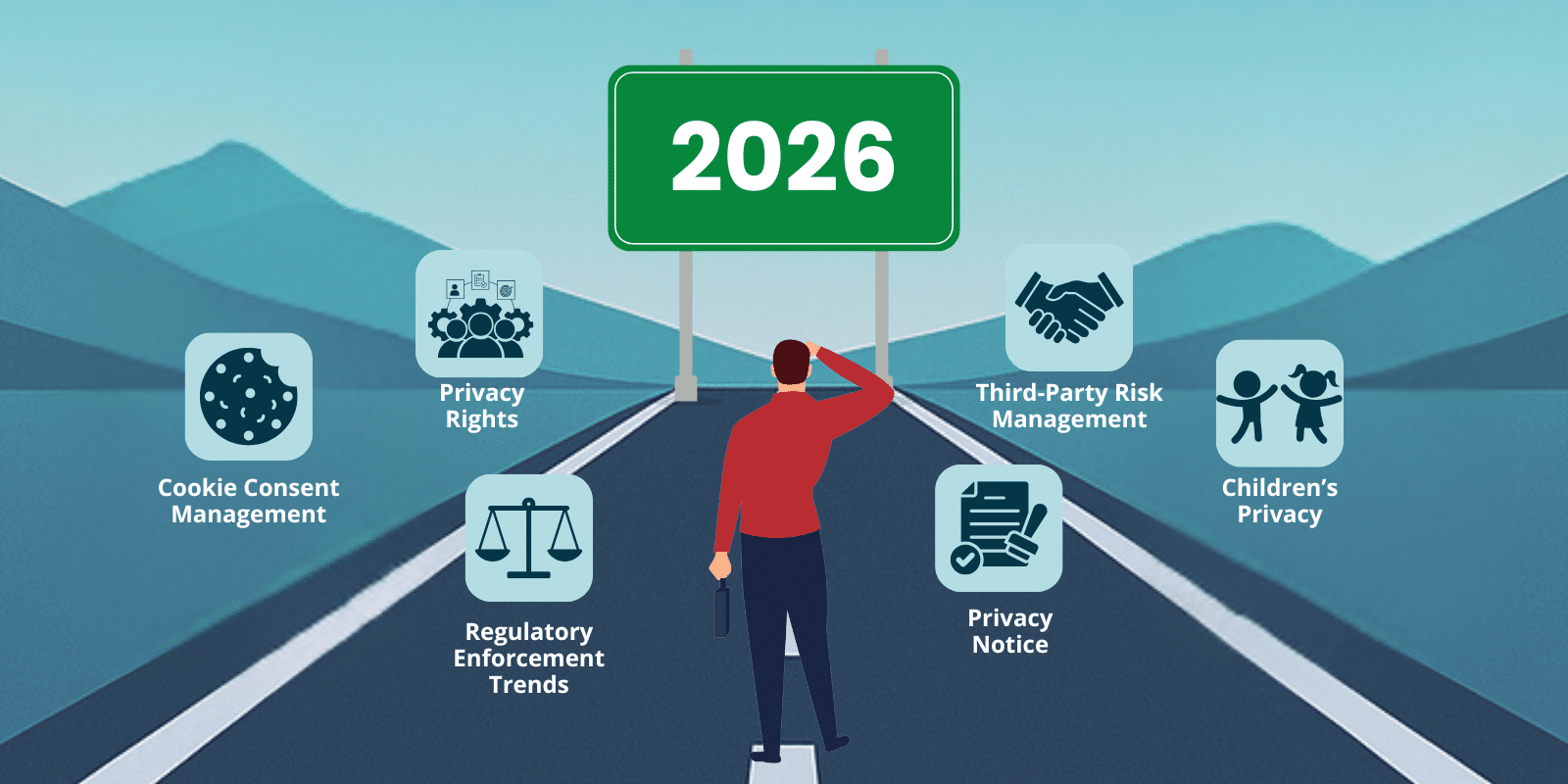
Digital privacy is no longer optional; it’s now federally regulated in a way that affects all fifty states. New legislation mandates that companies collecting, storing, or processing personal data follow standardized privacy protections. This law ensures that citizens have consistent rights regarding access, correction, and deletion of personal information, regardless of the state in which they reside. Previously, privacy rules varied widely, leaving gaps for exploitation. Now, companies must comply nationwide, creating a unified framework for protecting digital identities.
Consent is central to the law. Companies must obtain clear, informed, and verifiable consent before collecting sensitive data, including location, biometric, financial, or health information. Users can revoke consent at any time, and organizations are legally obligated to honor those requests. This standard applies to every state, eliminating inconsistencies in user protections and ensuring transparency across industries that rely on personal information.
Data minimization and storage limitations are also enforced. Organizations may only collect data necessary for their services and must securely store or anonymize information once it is no longer required. Retention schedules, encryption standards, and breach reporting protocols are federally mandated. State agencies are tasked with monitoring compliance and ensuring that companies adhere to these strict guidelines, reducing the risk of misuse or exploitation.
Consumer rights are strengthened. Individuals can request access to all information held about them, challenge inaccuracies, and demand permanent deletion if desired. Companies must provide user-friendly mechanisms for these requests and respond within defined timelines. The law also gives citizens legal recourse in cases of violation, creating accountability and reinforcing trust in digital services nationwide.
The legislation addresses third-party sharing and cross-border transfers. Companies sharing data with external partners, cloud providers, or international entities must meet the same privacy standards. Contracts, auditing, and compliance checks are required to prevent unauthorized use. This ensures that personal information is protected even when it moves beyond the original collector, creating a holistic approach to digital privacy.
Enforcement is standardized across states. Federal oversight provides guidance, penalties, and investigative authority, while state agencies implement monitoring and compliance programs. Companies face fines, legal action, and mandatory remediation for violations, creating strong incentives to comply. This unified approach prevents loopholes that previously allowed entities to exploit differences in state regulations.
The law encourages privacy-by-design practices. Developers, engineers, and businesses are required to integrate privacy considerations from the outset of product development rather than retrofitting protections. This proactive approach reduces risk, improves user trust, and ensures compliance with evolving technological standards. Every state is now bound by these requirements, creating a consistent baseline for responsible digital innovation.
Public education and transparency initiatives are also mandated. Agencies must provide accessible resources to help citizens understand their rights, companies’ obligations, and emerging privacy challenges. Awareness campaigns empower individuals to exercise control over their data and recognize when their rights are at risk. A knowledgeable public strengthens enforcement and supports cultural change around data privacy nationwide.
In conclusion, these new federal digital privacy laws mark a turning point for nationwide protections. By standardizing consent, data minimization, consumer rights, third-party oversight, and enforcement, the law ensures consistent privacy standards across all fifty states. Citizens, businesses, and regulators now operate under clear, unified rules, creating stronger accountability and safer digital environments for everyone. Understanding and complying with these regulations is essential in an era where personal information is one of the most valuable and vulnerable assets.











Comments
No comments yet, be the first submit yours below.