How Convenience Slowly Takes Control of Your Life


Convenience feels like progress, but it often comes with hidden trade-offs.
Modern life is built around convenience. Food arrives with a tap on a phone, rides show up instantly, and nearly anything can be ordered online and delivered to the door. These services save time and remove friction from daily life. But over time, convenience can quietly reshape habits in ways people rarely notice.
Small conveniences slowly become dependencies.
When something makes life easier, it quickly becomes the new normal. Cooking turns into food delivery. Walking turns into rideshare. Shopping turns into instant online purchases. What starts as an occasional shortcut becomes a routine expectation. Once that habit forms, going back to the slower way feels frustrating.
Convenience often costs more than it seems.
Delivery fees, service charges, subscriptions, and price markups add up over time. What feels like a small cost in the moment can turn into hundreds or even thousands of dollars over the course of a year. Many people spend more on convenience than they realize simply because the payments are small and frequent.
Skills disappear when they aren’t used.
As services replace everyday tasks, certain life skills begin to fade. Fewer people cook regularly, fix basic household issues, or navigate places without digital guidance. When technology or services fail, people may find themselves less prepared than previous generations.
Convenience is powerful because it saves energy.
Human beings naturally prefer the path that requires the least effort. Companies design products and services around this psychological tendency. The easier something becomes, the more people rely on it—even if it costs more money or reduces independence.
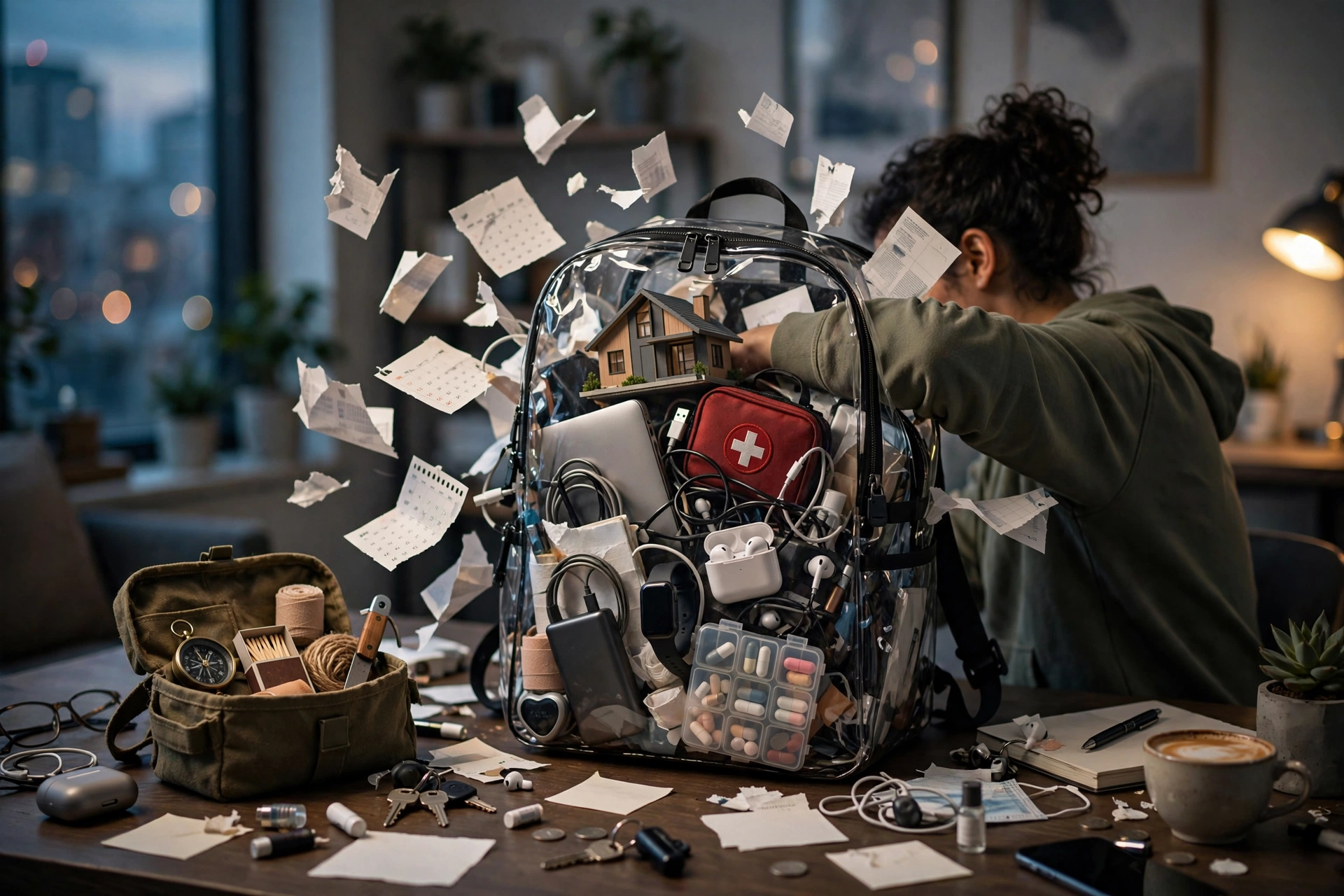
Convenience itself isn’t the problem. The trap appears when convenience quietly replaces capability, turning tools that should help us into systems we can no longer function without.







Comments
No comments yet, be the first submit yours below.