Subscribed to Everything: How Recurring Payments Quietly Drain Your Wallet

The Rise of the Subscription Economy
From streaming platforms to meal kits, software tools to gym memberships, subscriptions have quietly become the default way to pay. What once required a one-time purchase is now billed monthly, often automatically. The model feels convenient — small recurring payments instead of large upfront costs — but those small charges add up fast.
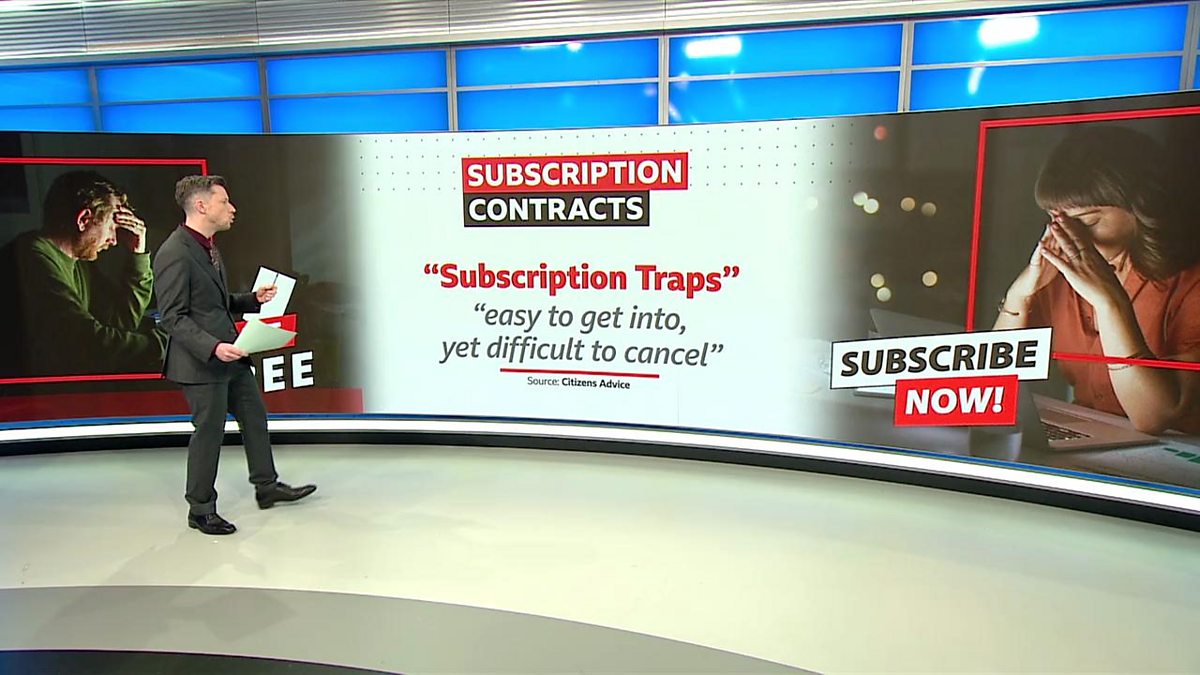
Why It’s So Hard to Cancel
Companies design sign-ups to be seamless and cancellations to be complicated. Free trials convert into paid plans with little friction. Hidden cancellation buttons, required phone calls, or multi-step confirmation processes discourage users from leaving. Many people continue paying for services they barely use simply because canceling feels like a hassle.
The Psychology Behind It
Recurring payments are less painful than large one-time charges. A $9.99 monthly fee feels insignificant compared to a $120 annual cost — even though they’re nearly identical. Businesses rely on this perception gap. When payments are automated, consumers stop actively evaluating whether the service still provides value.
Stacking Subscriptions
Streaming services, cloud storage, productivity apps, fitness platforms, premium memberships — individually manageable, collectively overwhelming. It’s easy to underestimate how many recurring payments are attached to your card. Over time, subscription stacking can quietly consume hundreds of dollars each month.
Taking Back Control
Audit your bank statements regularly. Cancel services you haven’t used in the past 30 days. Consider annual plans only if you truly use the product consistently. Turn off auto-renewal whenever possible. Convenience shouldn’t come at the cost of financial awareness.
The subscription economy thrives on inertia — the less attention you pay, the more it earns. Reclaiming control starts with paying attention to the small charges that no longer serve you.









Comments
No comments yet, be the first submit yours below.