Why Fear Keeps Restarting on Schedule


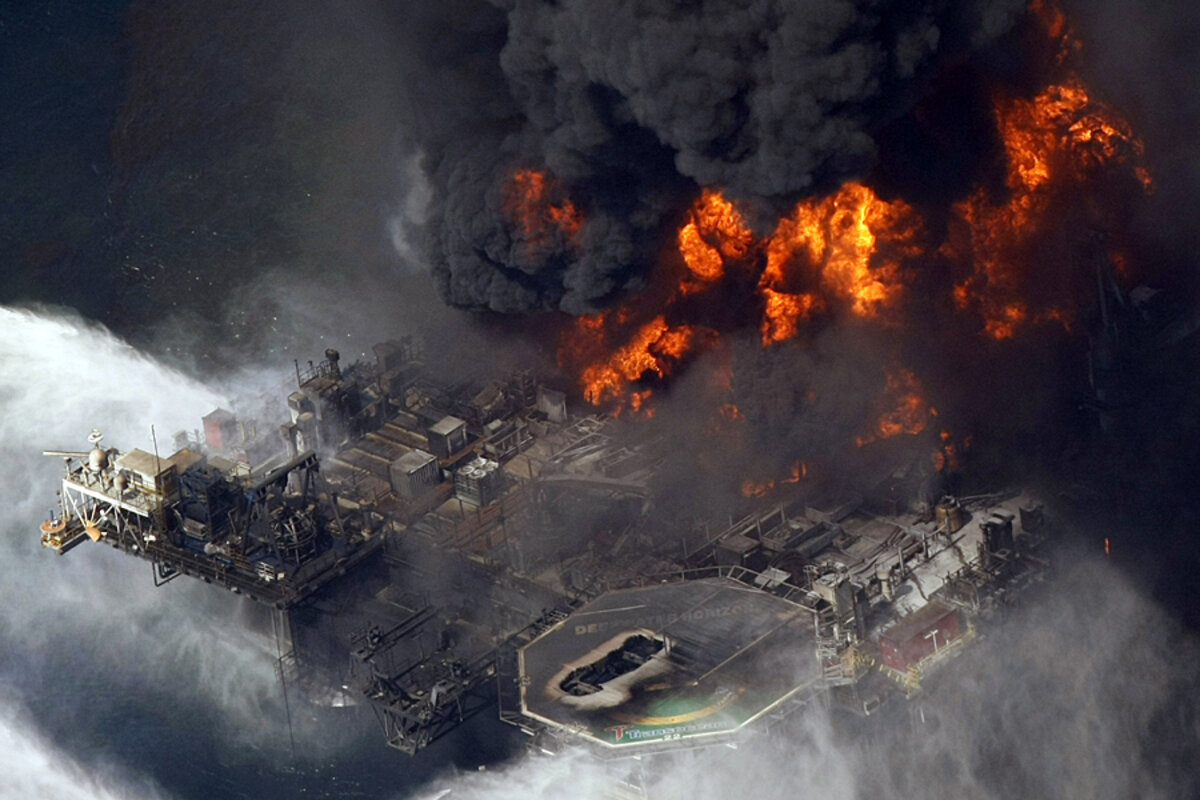
Panic rarely arrives as chaos anymore. It arrives as a notification. A headline. A warning banner. A tone shift in the room. Modern panic is structured, timed, and repeatable. It doesn’t need to be constant to be effective; it only needs to be frequent enough to reset behavior. Each cycle starts loud, peaks fast, and fades just long enough for people to catch their breath before the next one begins.
THE RHYTHM OF FEAR
Panic cycles follow a familiar pattern. An event or threat is amplified. Urgency replaces nuance. Everyone is told to act now or regret it later. Short-term decisions are made under emotional pressure. Then, quietly, attention moves on. No debrief. No accountability. Just relief that the worst didn’t happen—or exhaustion from reacting. The cycle leaves behind new habits, new rules, and lower resistance.
WHY PANIC WORKS
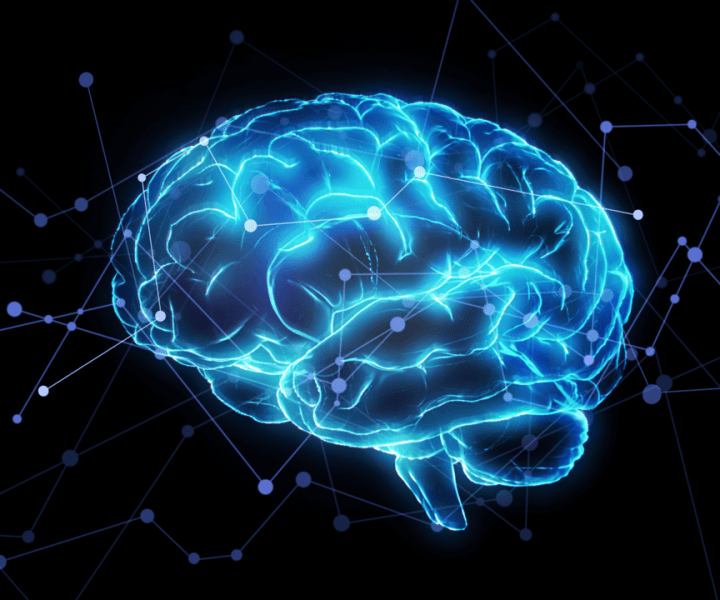
Panic bypasses logic. When fear is active, the brain prioritizes safety over strategy. Long-term thinking shuts down. People accept tradeoffs they would normally reject. Privacy, savings, autonomy, and patience are all negotiable when danger feels immediate. Panic doesn’t need to be accurate; it just needs to feel plausible.
MEDIA AS AN ACCELERATOR
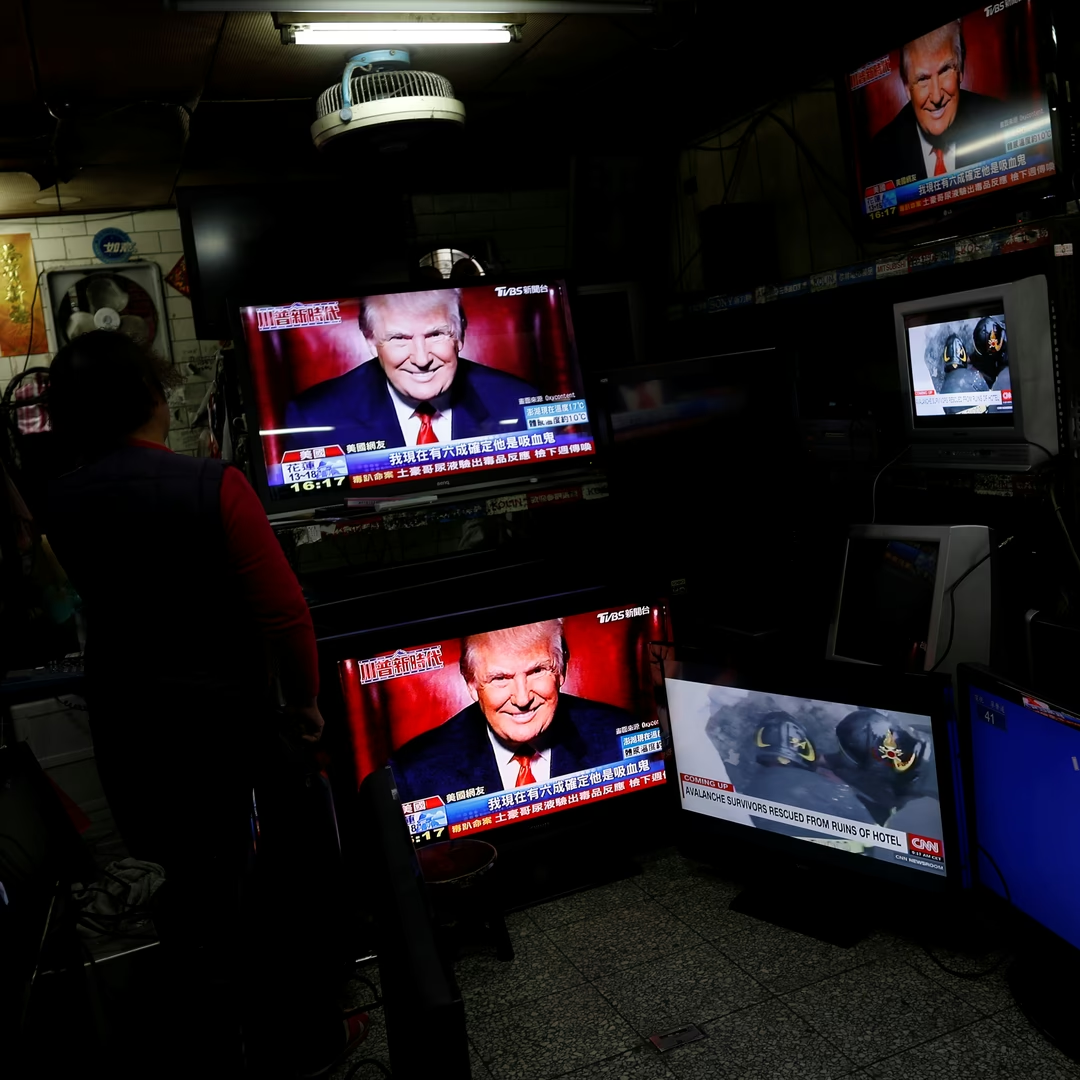
Modern media doesn’t create panic from nothing—it accelerates it. Repetition, framing, and constant updates keep attention locked. Language becomes absolute. Everything is breaking, collapsing, or unprecedented. Calm voices get buried because they don’t perform well in urgent environments. Fear spreads faster than correction ever could.
SHORT MEMORY BY DESIGN
One of the most important features of panic cycles is forgetting. Once the moment passes, people are encouraged to move on, not reflect. What was promised during the panic is rarely revisited. What was taken is rarely returned. Memory is the enemy of the cycle, so distraction becomes essential.
ECONOMIC PANIC
Panic is profitable. Shortages drive buying. Volatility drives clicks. Uncertainty drives dependence. Entire industries exist to monetize fear, from emergency products to financial reactions. When panic becomes predictable, it becomes a business model. The cycle doesn’t just shape behavior—it moves money.
WHY CALM FEELS WRONG
After enough cycles, calm starts to feel suspicious. Silence feels unsafe. People expect the next alert, the next warning, the next disruption. When nothing happens, anxiety fills the gap. Panic trains people to stay alert even when no threat is present. This constant readiness drains energy and clarity.
DECISION DEBT
Every panic forces rushed decisions. Over time, those decisions stack. Policies, habits, and commitments made under stress rarely get reevaluated. This creates decision debt—choices that made sense in fear but linger long after conditions change. The cost shows up later, quietly, as reduced options.
WHO BENEFITS FROM CONSTANT URGENCY
Urgency centralizes power. When time feels scarce, authority expands. People defer judgment upward. “Now is not the time” becomes the phrase that delays questioning indefinitely. Those who remain calm gain advantage, while those caught in reaction stay busy but ineffective.
STEPPING OUT OF THE CYCLE
Breaking panic cycles doesn’t mean ignoring reality. It means slowing response enough to think. Asking what changes permanently and what will be forgotten. Separating signal from volume. The most powerful move in a panic-driven world is delayed reaction.
CALM AS A STRATEGY
Calm isn’t apathy—it’s leverage. People who stay calm during panic see more options, make fewer concessions, and remember what others forget. When fear resets the board, calm players don’t just survive the cycle—they position themselves beyond it.





Comments
No comments yet, be the first submit yours below.