How Chess Thinking Can Transform Your Life Strategy

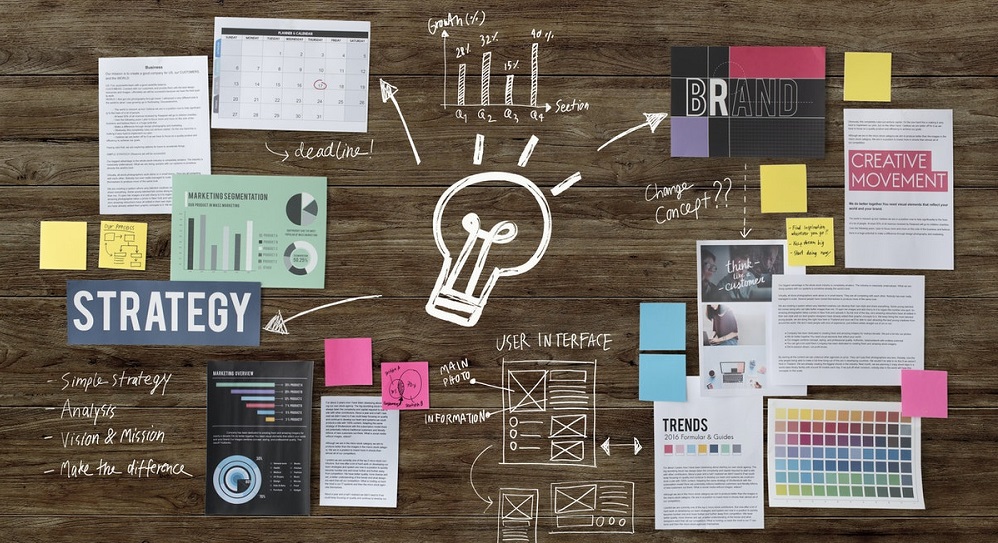
Life, like chess, requires foresight, planning, and the ability to adapt to changing circumstances. In 2026, I’ve realized that applying the principles of chess to everyday decisions can create clarity, reduce mistakes, and improve long-term outcomes. Independent of career, finances, or personal goals, strategic thinking borrowed from chess transforms how you approach challenges and opportunities.
1. Think Several Moves Ahead
Every decision has consequences beyond the immediate moment.
In chess, a single move can set the tone for the next ten. Similarly, life decisions—investments, relationships, career choices—ripple through months and years. Thinking ahead reduces impulsive actions and ensures your choices align with long-term goals.
2. Evaluate Risks and Rewards
Every move should balance potential gain with possible loss.
Chess teaches you to weigh outcomes before committing. Applying this mindset to life helps you assess opportunities, avoid reckless decisions, and maximize returns, whether in business, personal development, or relationships.
3. Adapt to Changing Circumstances
Even the best plans require adjustment.
No strategy survives unchallenged. Being flexible, anticipating shifts, and adjusting your approach when circumstances change is a core chess principle that translates to personal resilience and growth.
4. Value Each Piece and Resource
Everything you have is part of a larger strategy.
In life, your time, skills, connections, and energy are like chess pieces. Recognizing their value and deploying them intentionally ensures maximum impact and prevents waste.
5. Learn From Mistakes
Every loss is a lesson for future moves.
Chess players review mistakes to avoid repeating them. Applying this to life allows you to iterate, improve, and refine your strategy rather than dwelling on failures.
6. Patience and Timing Matter
Not every move needs to be immediate.
Chess teaches that waiting for the right moment can be more powerful than acting impulsively. Life rewards patience, careful observation, and timing your decisions strategically.
Final Thought
By thinking like a chess player, life becomes a series of intentional, strategic moves rather than random reactions. Evaluating risks, anticipating consequences, and adapting continuously allows you to navigate 2026 and beyond with clarity, resilience, and purpose.








Comments
No comments yet, be the first submit yours below.