The Battle You’re In Without Being Enlisted

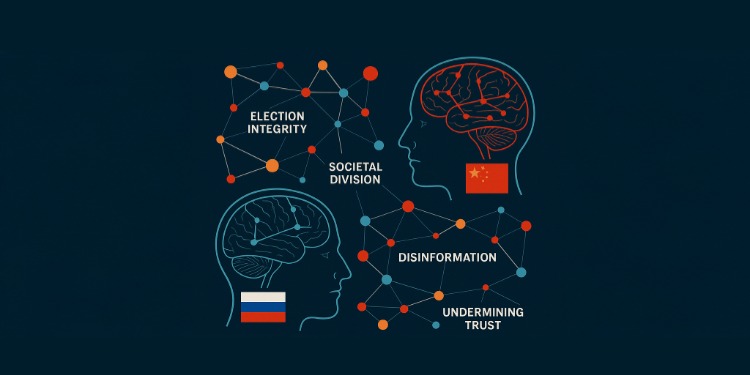
No one declares a mind war. It doesn’t begin with sirens or borders. It begins with language shifts, repeated narratives, and emotional framing that nudges perception over time. The battlefield isn’t land; it’s attention. The objective isn’t destruction; it’s influence. Most people never realize they’re participating because the conflict feels like everyday life.
THE WEAPONIZATION OF ATTENTION
Attention is finite, which makes it valuable. Whoever controls where attention goes controls what feels important. Mind war floods the environment with stimuli, forcing constant selection. When attention is overloaded, people stop choosing deliberately and start reacting automatically. Confusion becomes a tactical advantage.
LANGUAGE AS AMMUNITION
Words shape reality before facts ever arrive. Labels simplify complex issues into emotional shortcuts. Once language is framed, conclusions feel obvious. Mind war doesn’t argue—it preloads interpretation. By the time information arrives, the outcome is already decided.
EMOTION OVER INFORMATION
Fear, anger, and outrage bypass analysis. They shorten thinking loops and demand immediate alignment. Emotional saturation ensures people feel strongly without knowing deeply. In a mind war, intensity replaces accuracy. The louder the emotion, the less scrutiny the message receives.
DIVISION AS STRATEGY
A divided population spends its energy fighting itself. Mind war encourages identity-based thinking, pushing people into opposing camps. Once identity is attached to belief, changing one’s mind feels like betrayal. The conflict sustains itself because no external enemy is needed anymore.
REPETITION CREATES REALITY
What’s repeated feels true, even when it isn’t. Familiarity breeds acceptance. Narratives repeated across platforms reinforce each other until they become background assumptions. Mind war relies less on persuasion and more on saturation. Eventually, alternatives stop being considered.
THE ROLE OF ALGORITHMS
Algorithms don’t care about truth; they care about engagement. They amplify content that provokes reaction, reinforcing emotional loops. This creates personalized reality tunnels where beliefs are constantly validated. Mind war becomes individualized, optimized for maximum psychological impact.
MENTAL FATIGUE AS SURRENDER
When people are exhausted, they stop resisting. Information overload leads to disengagement or blind trust. Either outcome benefits influence systems. Fatigue isn’t a side effect; it’s part of the strategy. A tired mind is easier to guide.
DEFENSE THROUGH AWARENESS
The first defense in a mind war is recognizing its existence. Once patterns are seen—emotional framing, repeated language, manufactured urgency—the spell weakens. Awareness slows reaction and restores choice. You can’t stop the war, but you can stop being a casualty.
RECLAIMING MENTAL TERRITORY
Reclaiming ground means curating inputs, questioning narratives, and tolerating uncertainty. Not every question needs an immediate answer. Space between stimulus and response is protective territory. That space is where autonomy lives.
WINNING WITHOUT FIGHTING
Mind wars aren’t won by overpowering the opponent. They’re won by refusing manipulation. When attention is guarded, emotion is regulated, and thought is deliberate, influence loses traction. The quiet mind doesn’t dominate—it remains free.










Comments
No comments yet, be the first submit yours below.