The Power Gap: Why Independent Artists Lose Leverage the Moment They Need It Most

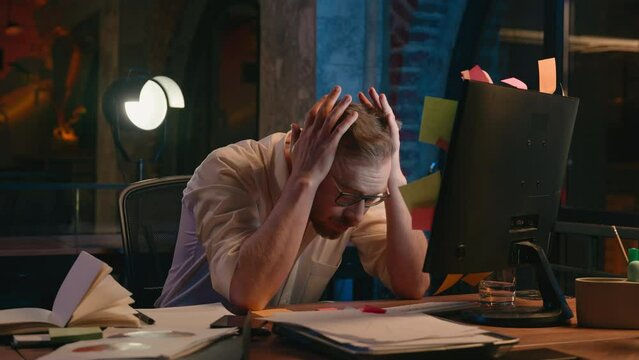
Independent artists love to say they’re “free.” No label. No boss. No contracts holding them back. But in 2026, independence without leverage has quietly become a trap.
The moment an artist actually needs support—playlist placement, press, touring opportunities, dispute resolution, or platform protection—the power gap appears. And that gap explains why so many independent careers stall right when momentum should be accelerating.
Independence without leverage is just isolation.
What Leverage Really Means in the Music Industry
Leverage isn’t money. It isn’t talent. And it isn’t work ethic.
Leverage is the ability to influence outcomes when systems push back.
Labels have leverage. Major managers have leverage. Large media outlets have leverage. Platforms respond to leverage—not fairness.
Independent artists are often operating without any.
Why Platforms Don’t Negotiate With Individuals
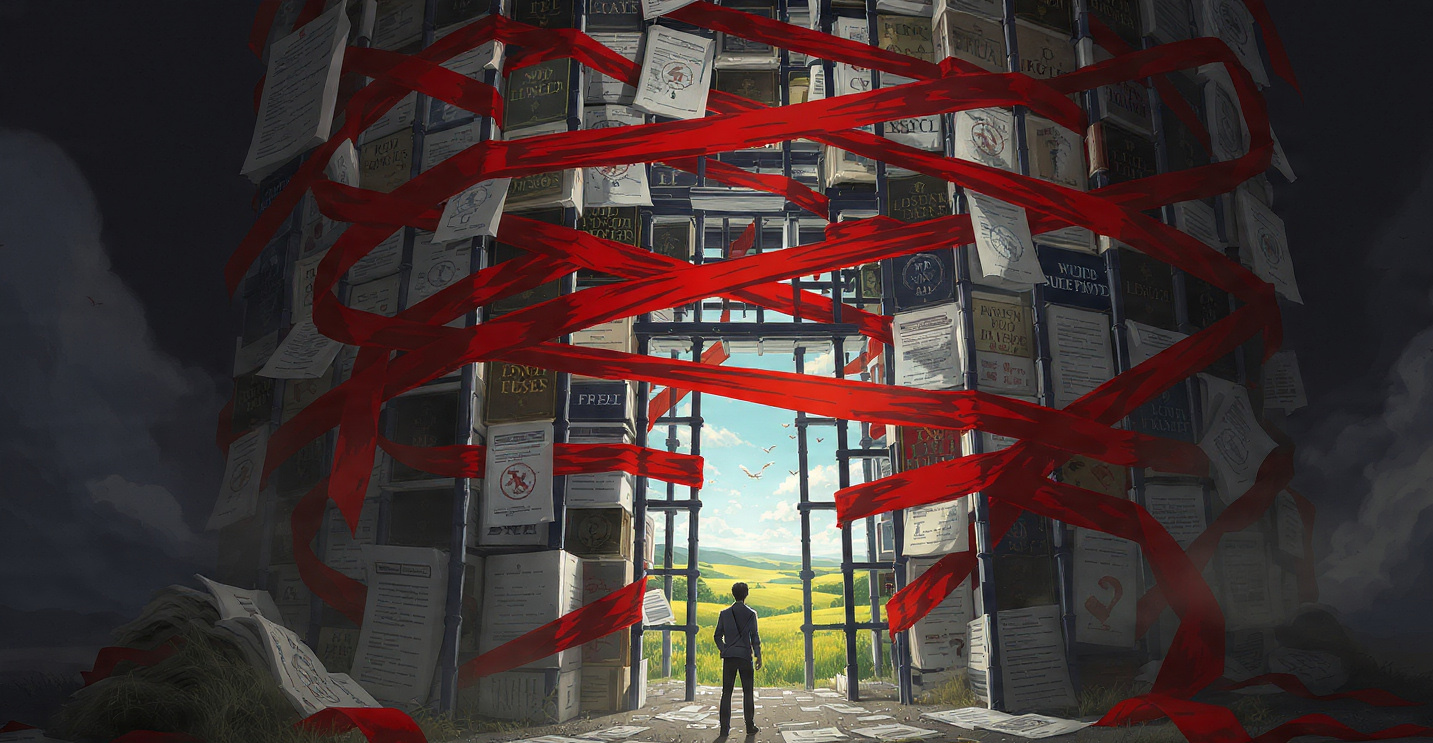
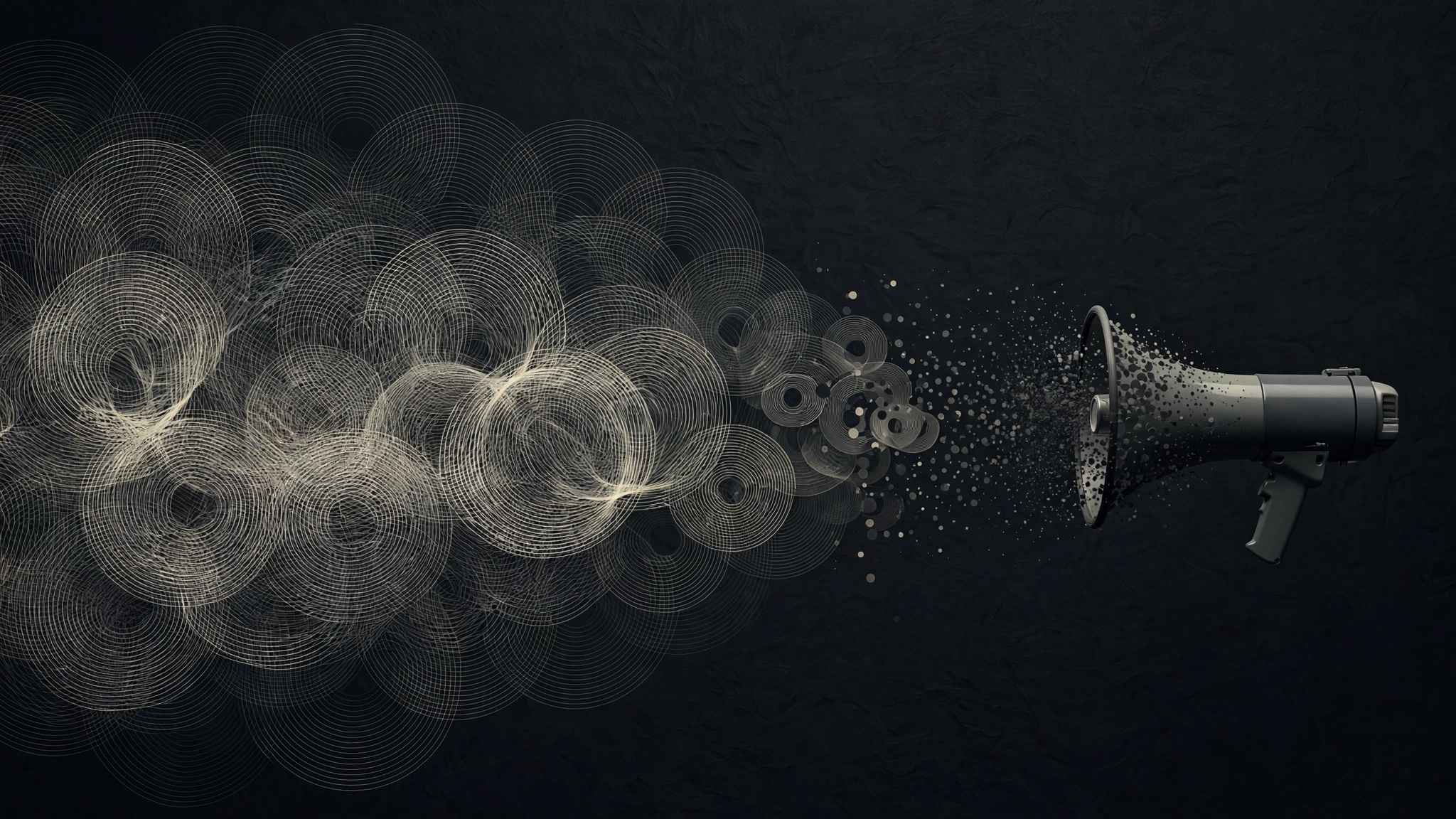
Streaming platforms, distributors, and social networks are built to scale. Individual artists are statistical noise inside massive systems.
When issues arise—takedowns, shadow-limiting, false flags, payment disputes—artists quickly learn a hard lesson:
There is no negotiation process.
Support tickets are not advocacy. Automated responses are not accountability.
The Illusion of “You’re Your Own Boss”
Artists are told independence means control. In reality, most independent artists:
• Don’t control distribution rules
• Don’t control algorithm behavior
• Don’t control monetization thresholds
• Don’t control enforcement decisions
They control content creation—but not outcomes.
You can own the music and still have no power over its fate.
Why Leverage Shows Up Late (If at All)
Leverage usually arrives only after success is proven. That’s the paradox.
You need leverage to protect growth—but you’re offered leverage only once growth already exists.
This is why many artists get “offers” after:
• Viral moments
• Charting activity
• Media buzz
• Large touring numbers
By then, damage is often already done.
How Independent Artists Are Pushed Into Reactive Mode
Without leverage, artists spend their careers reacting:
• Reacting to takedowns
• Reacting to algorithm changes
• Reacting to platform penalties
• Reacting to shifting monetization rules
Reaction is exhausting—and unsustainable.
Why Collective Power Still Matters
One of the biggest losses in the modern music industry is collective organization.
Artists operate as individuals, while platforms operate as monopolies.
Historically, leverage was built through:
• Scenes
• Movements
• Media alliances
• Regional dominance
Fragmentation weakens bargaining power.
The Difference Between Reach and Influence
Many artists mistake reach for influence.
Reach is how many people see you.
Influence is who listens when you speak.
Influence exists when:
• Media outlets return your emails
• DJs trust your drops
• Platforms respond faster
• Opportunities come inbound
That influence doesn’t come from numbers alone.
Why Middlemen Still Control Outcomes
Despite technology promising “direct access,” middlemen never disappeared. They evolved.
Today’s gatekeepers include:
• Playlist curators
• Content aggregators
• Influencer networks
• Platform partners
They don’t just distribute attention—they ration it.
Building Leverage Without Selling Your Soul
Leverage doesn’t require signing bad deals. It requires positioning.
Artists build leverage by:
• Creating undeniable local demand
• Owning audience relationships
• Controlling narratives through media
• Becoming valuable to ecosystems, not just platforms
Leverage is earned through dependency—when others need you too.
Why Independence Works Best With Infrastructure
True independence is not isolation. It’s infrastructure.
Infrastructure looks like:
• Reliable media relationships
• Direct fan channels
• Legal and strategic support
• Multiple revenue streams
Without infrastructure, independence collapses under pressure.
Final Thought: Freedom Without Power Is Fragile
The music industry doesn’t punish independent artists intentionally. It simply doesn’t protect those without leverage.
Freedom without power only lasts until something goes wrong.
Artists who survive long-term understand this truth early—and build leverage before they’re forced to need it.





Comments
No comments yet, be the first submit yours below.