Making Money When Everything Else Collapses

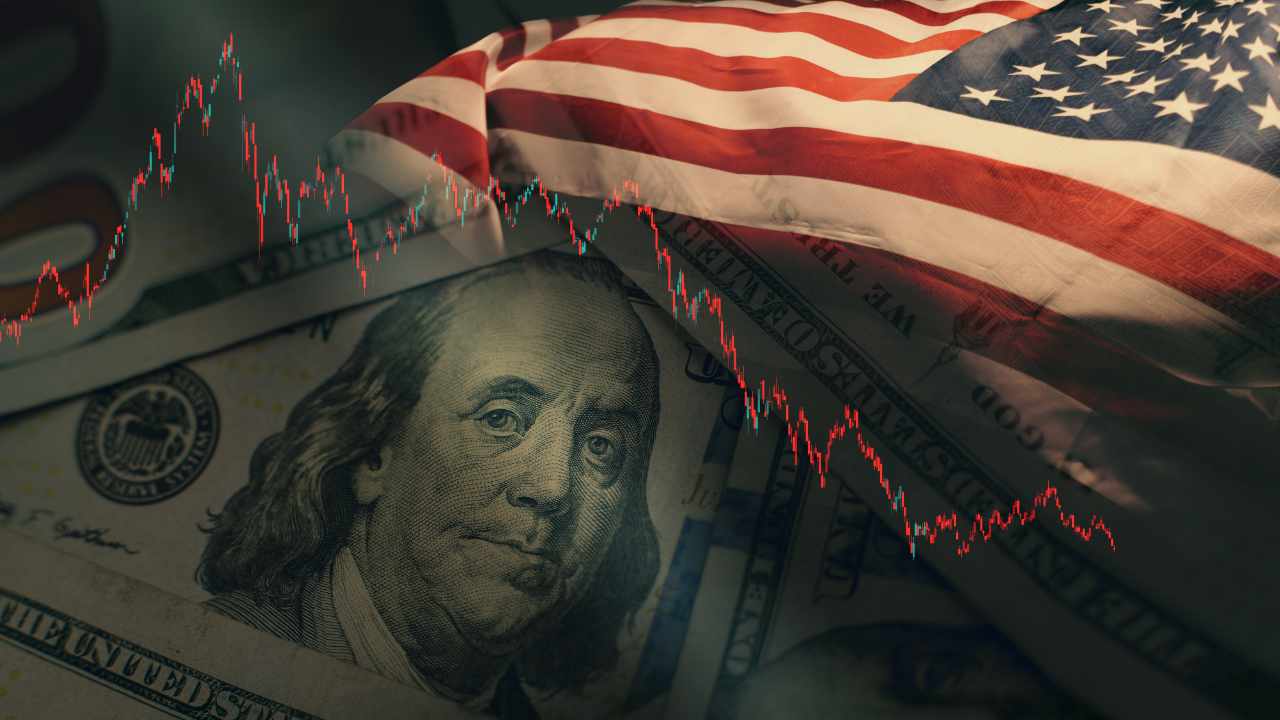
Disaster profit isn’t about greed—it’s about preparation, awareness, and positioning. While most scramble in crisis, some are already moving. Markets, supply chains, and human behavior all shift predictably under pressure. Recognizing patterns before panic hits separates survival from opportunity.
THE PSYCHOLOGY OF CRISIS
Fear compresses thinking. People prioritize immediate needs over strategy. In this environment, goods, services, and information spike in value. Understanding human reaction is as critical as understanding assets. Panic is predictable; knowing when and where it will hit allows opportunity to be captured ethically.
MARKET VOLATILITY
Crises create abrupt shifts in supply and demand. Essential goods soar in value, logistics strain, and pricing becomes fluid. Those prepared with liquidity, knowledge, or access can act decisively. Disaster profit isn’t speculation—it’s responsiveness within a volatile landscape.
PREPARATION VS OPPORTUNISM
There’s a difference between being opportunistic and being prepared. Preparation is about foresight, diversification, and resilience. Opportunism without ethics risks legal or reputational consequences. Disaster profit thrives when strategic preparation aligns with human need during crisis.
TECHNOLOGY AND INFORMATION ADVANTAGE
Information is power in disruption. Early detection of trends, shortages, or policy shifts provides leverage. Data allows informed decisions, often before markets or individuals react. Access to accurate information accelerates response, giving an edge over reactive competitors.
ETHICAL PROFIT STRATEGIES
Making money during a disaster doesn’t require exploitation. Ethical approaches include providing scarce goods at fair prices, offering solutions to newly created problems, and supporting communities while generating revenue. Trust becomes currency—reputation enhances sustainability.
DIVERSIFICATION AS DEFENSE
Disaster profits are safer when risk is spread. Multiple revenue streams, geographic diversification, and varied investments reduce exposure to a single crisis. When one area collapses, others sustain operations, ensuring both survival and opportunity.
OBSERVING PANIC CYCLES
Panic isn’t constant; it moves in waves. Timing entry and exit is critical. Acting too early wastes resources; acting too late misses opportunity. Observing cycles of fear, media amplification, and public reaction allows calculated positioning without reckless speculation.
LEVERAGING NETWORKS
Connections amplify capability. Information, access, and coordination through networks create advantages others lack. Those who maintain strong, reliable networks can mobilize resources quickly, capturing opportunities as crises unfold.
THE LONG GAME
Disaster profit isn’t just about immediate gain. Long-term strategy involves reinvesting insights, building resilience, and maintaining credibility. Sustainable advantage comes from consistent capability, not short-term windfalls. When the dust settles, preparation and trust compound into enduring position.
PERSONAL PREPARATION
Individual readiness matters. Skills, knowledge, and physical resources allow rapid adaptation. Those who understand systems and human behavior can navigate disruptions while others scramble. Personal resilience amplifies both survival and opportunity.
CONCLUSION: POSITION BEFORE PANIC
Disaster profit isn’t luck—it’s anticipation, ethics, and timing. By understanding human behavior, market dynamics, and systemic stress, individuals can act decisively during crises. Calm, preparation, and insight transform disruption from a threat into a strategic advantage.









Comments
No comments yet, be the first submit yours below.