Why You Keep Reaching For What You Swore You’d Stop

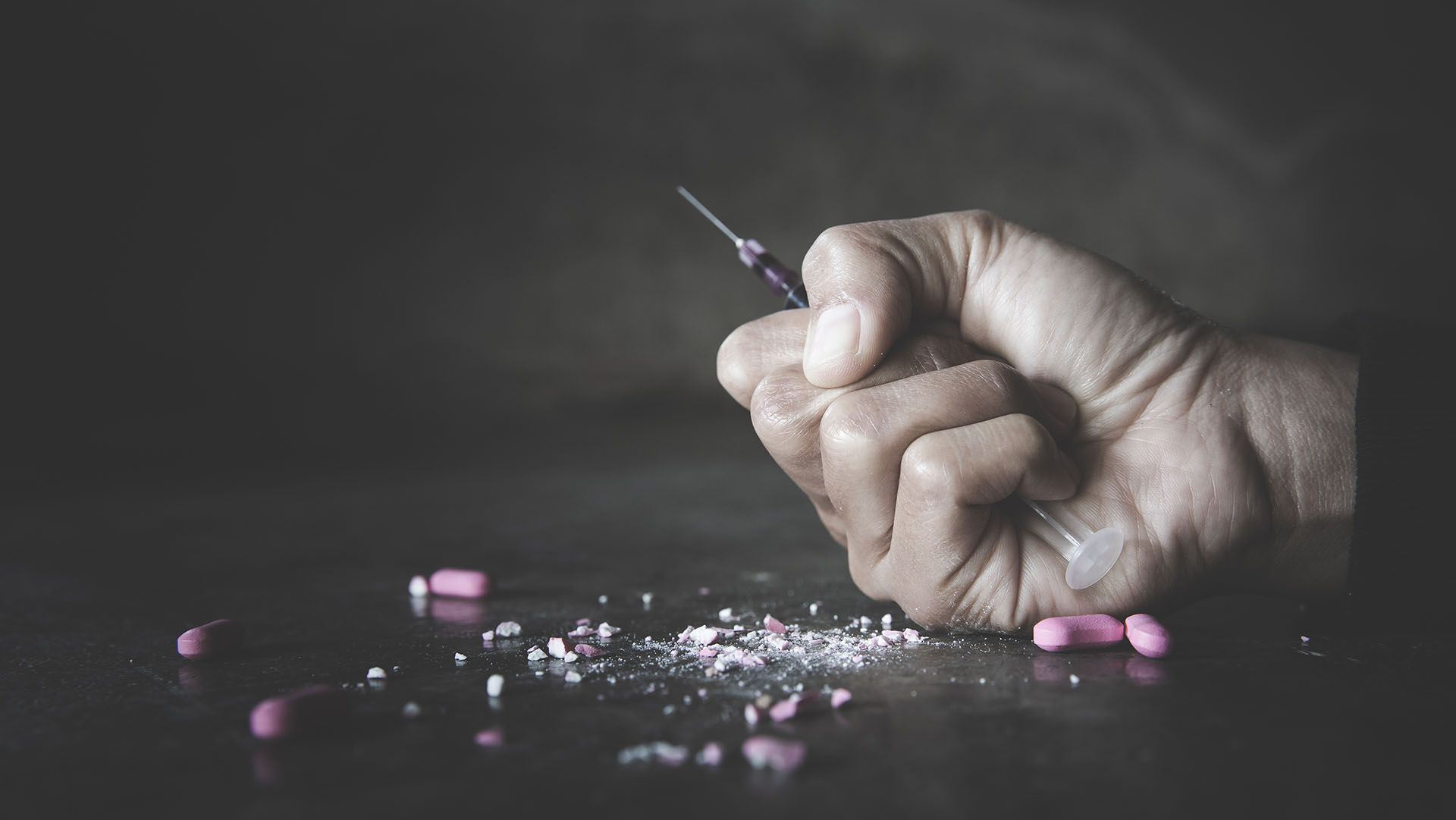
Addiction isn’t just about substances anymore—it’s about loops. Modern systems are designed to hook attention, emotion, and habit in repeating cycles that feel voluntary but aren’t fully conscious.
TRIGGER → RESPONSE → REWARD
Every loop starts with a trigger. Boredom, stress, loneliness, or curiosity cues a response that promises relief, followed by a short-lived reward.
DOPAMINE MISDIRECTION
The brain learns anticipation faster than satisfaction. The chase becomes more powerful than the payoff, keeping the loop alive even when enjoyment fades.
VARIABLE REWARDS
Unpredictable outcomes are the most addictive. Likes, wins, messages, or content drops arrive inconsistently, training compulsive checking.
FRICTION REMOVAL
When access is instant, resistance disappears. One tap, one scroll, one click—no pause to reconsider.
EMOTIONAL REGULATION
Loops replace coping skills. Instead of processing discomfort, people escape it temporarily, strengthening dependency.
SHAME FEEDBACK
After the loop runs, shame sets in. Shame increases stress, which triggers the next cycle. The loop feeds itself.
TIME DISTORTION
Addiction collapses time awareness. Minutes become hours, and intention dissolves into autopilot.
WHY WILLPOWER FAILS
Willpower fights the loop at its weakest point—after it’s already started. Systems beat discipline when design favors compulsion.
BREAKING THE LOOP
Interrupting triggers, adding friction, and replacing rewards weaken the cycle. Awareness creates space for choice.
RECLAIMING AGENCY
Freedom isn’t quitting everything—it’s choosing consciously. When loops lose control, behavior aligns with intention again.








Comments
No comments yet, be the first submit yours below.