When Trust Breaks, Everything Slows

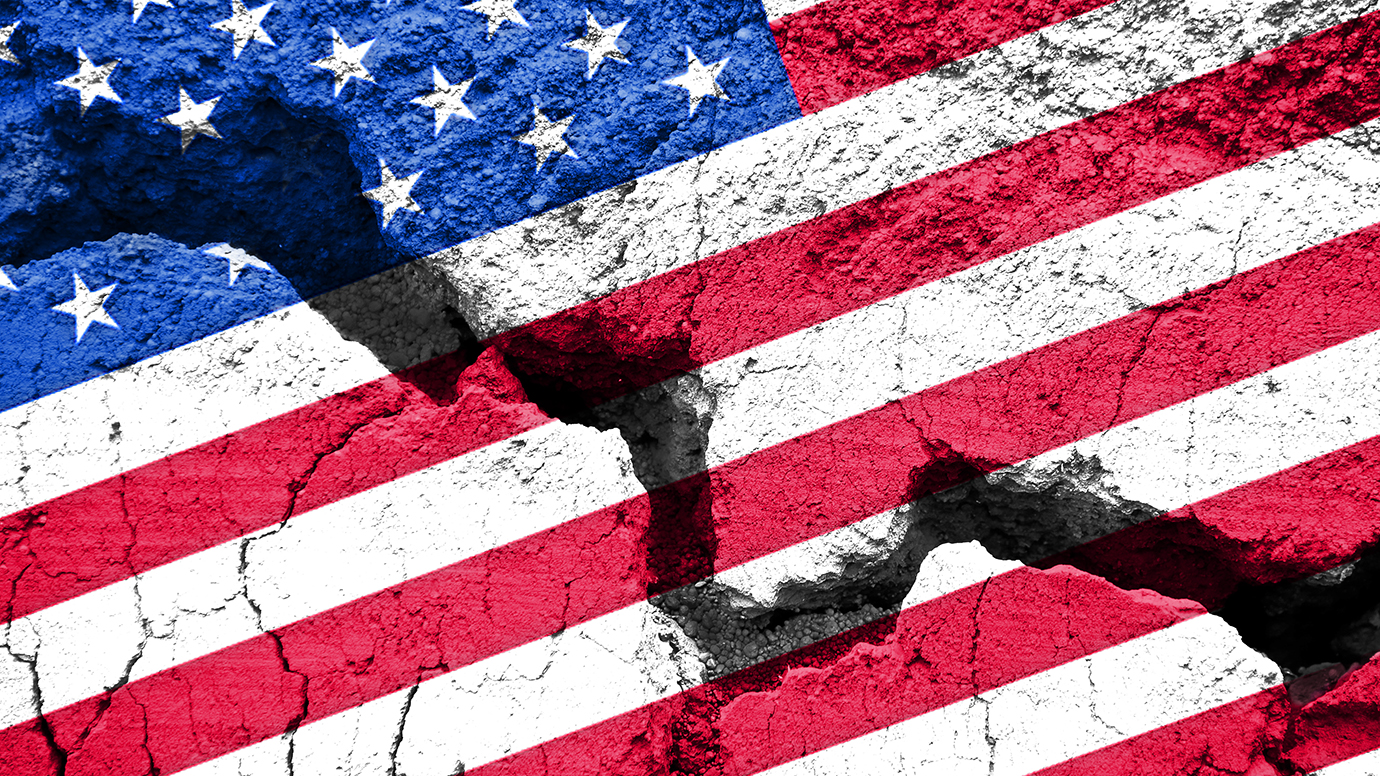
Trust collapse doesn’t arrive with sirens. It creeps in quietly, one broken promise at a time, until skepticism becomes the default setting. Institutions, platforms, employers, and even relationships lose credibility when words stop matching outcomes. People don’t suddenly become cynical — they adapt to repeated disappointment. Over time, trust stops being given freely and starts being rationed. That shift changes how societies function at every level.
HOW IT STARTS
Trust erodes fastest when accountability disappears. When systems fail but never admit fault, people learn that honesty isn’t rewarded. Apologies turn into PR scripts. Transparency gets replaced with complexity designed to confuse. Eventually, people stop listening altogether because experience taught them that listening doesn’t protect them.
THE COST OF DISTRUST
Without trust, everything becomes expensive — emotionally, mentally, and financially. Contracts grow longer. Safeguards multiply. People document everything because they expect betrayal. Cooperation slows because everyone assumes hidden motives. A low-trust environment drains energy that could have been used to build something real.
WHO BENEFITS
Ironically, broken trust empowers centralized systems. When people don’t trust each other, they outsource trust to platforms, rules, and algorithms. Authority fills the vacuum left by human confidence. Control expands under the banner of “safety” and “verification.” The less people trust themselves and each other, the more they rely on external enforcement.
REBUILDING FROM THE GROUND
Trust doesn’t return through slogans — it returns through consistency. Small promises kept repeatedly matter more than grand gestures. Personal integrity becomes a survival skill in a low-trust world. Those who remain predictable, honest, and grounded gain quiet influence. In an age of collapse, trust becomes rare currency.









Comments
No comments yet, be the first submit yours below.