When Trust Breaks, Everything Gets More Expensive

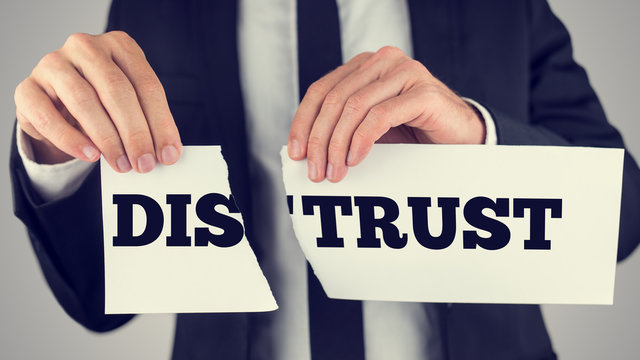
Trust is the invisible infrastructure holding society together. When trust exists, systems move faster, cooperation feels natural, and decisions require less protection. When trust collapses, everything slows down and becomes defensive. Contracts get longer, surveillance increases, and simple interactions feel tense. The loss of trust quietly raises the cost of living, emotionally and financially.
HOW TRUST ERODES
Trust doesn’t disappear overnight; it decays through repeated disappointment. Broken promises, shifting rules, and unaccountable authority create uncertainty. People learn to expect deception instead of reliability. Once skepticism becomes default, cooperation turns into caution. Every interaction requires proof instead of goodwill.
THE SYSTEMIC COST
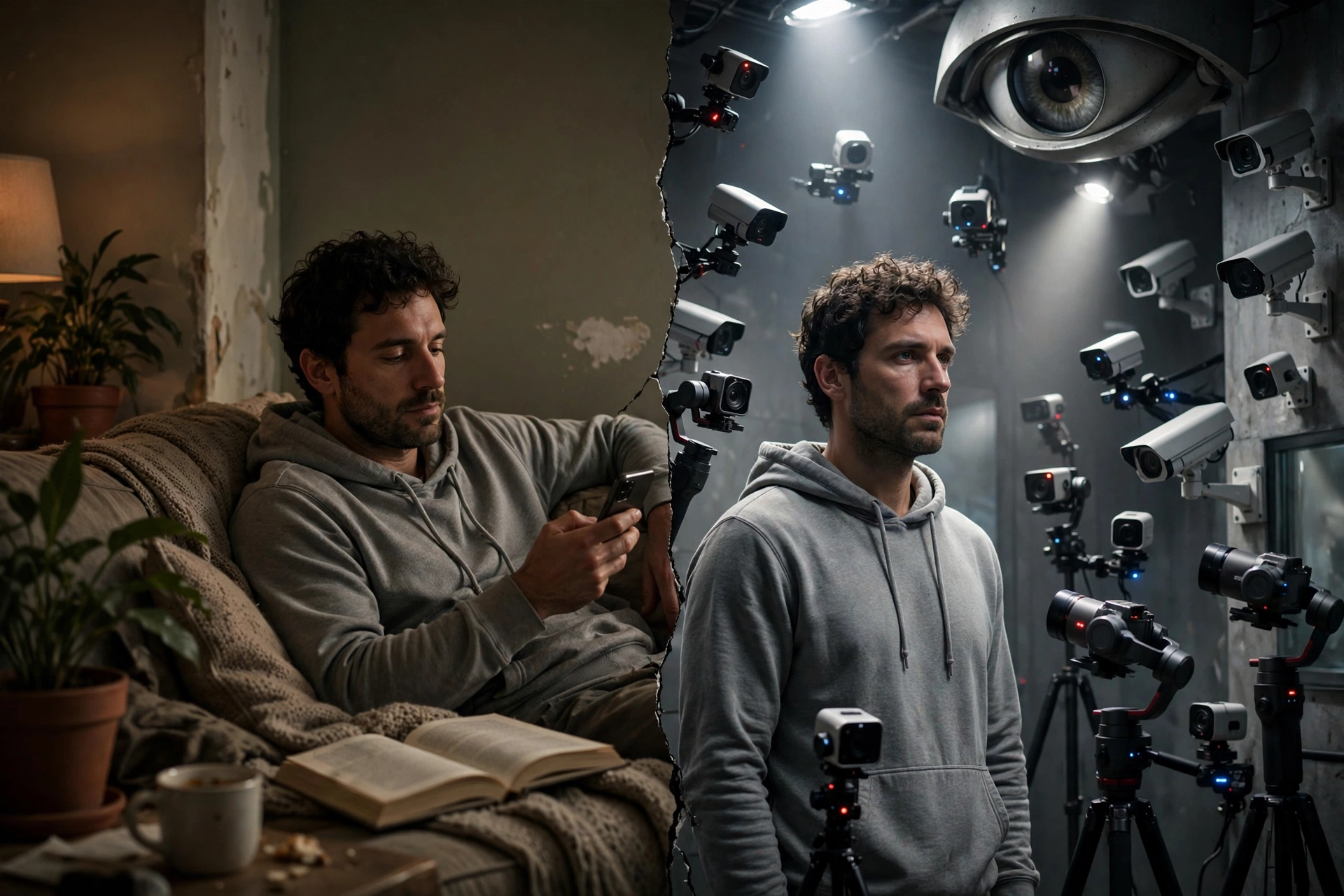
Low trust environments require constant verification. This adds layers of bureaucracy, oversight, and enforcement. Time and energy are wasted protecting against worst-case scenarios. Productivity drops while stress rises. Mistrust becomes a tax everyone pays.
SOCIAL FRACTURE
When trust collapses, communities fragment. People retreat into tribes, narratives, and defensive identities. Dialogue becomes conflict because intentions are always questioned. Shared reality dissolves, making collective solutions nearly impossible. Division becomes the new normal.
THE HARD TRUTH
Trust is easier to destroy than rebuild. Once broken, systems rarely restore it — they replace it with control. Surveillance, contracts, and enforcement step in where trust once lived. A society without trust doesn’t collapse loudly; it hardens quietly.







Comments
No comments yet, be the first submit yours below.