The Economy of Fear: How Panic Cycles Keep You Obedient


The Machine Runs on Your Adrenaline
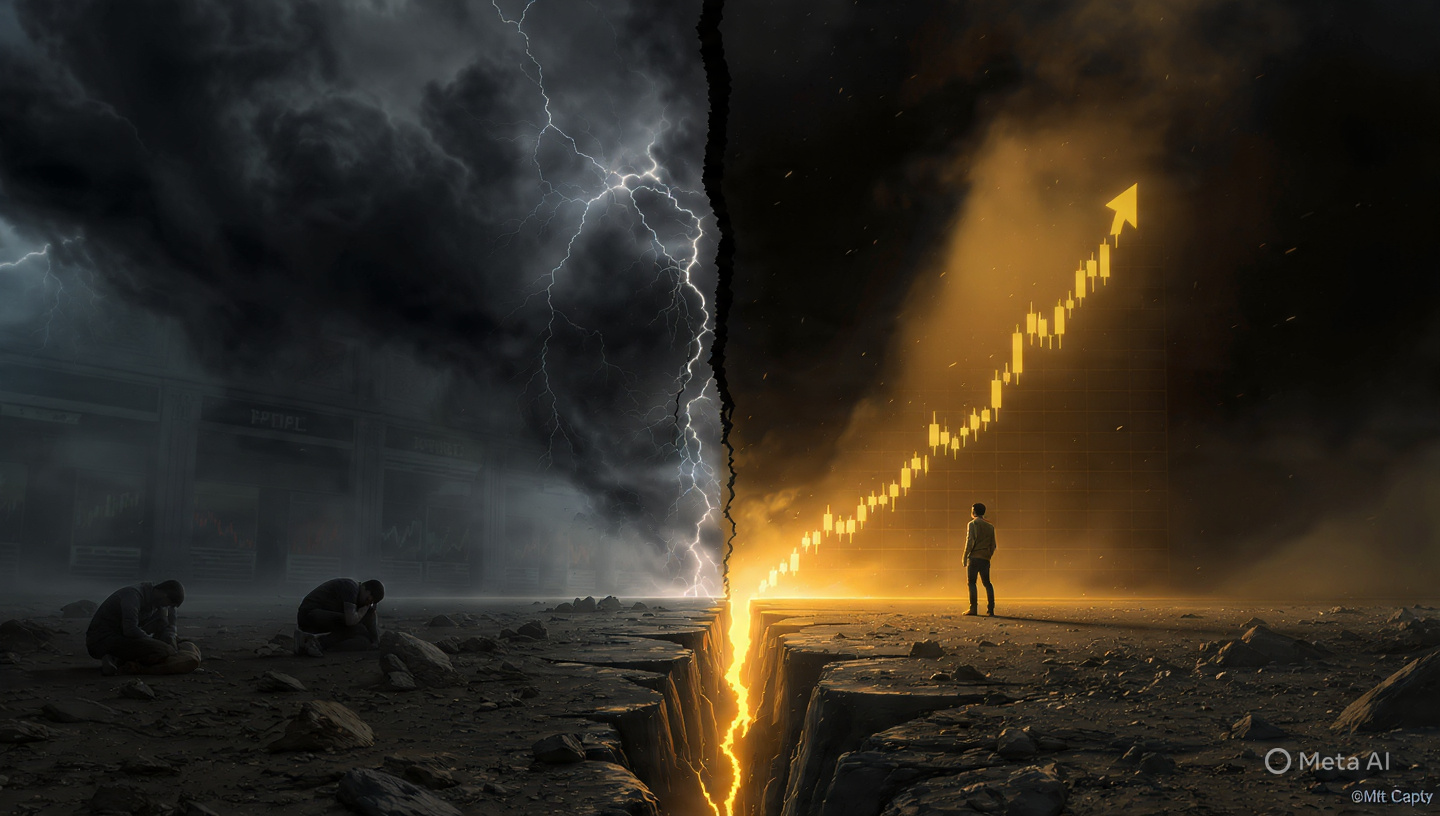
There is a pattern hiding in plain sight. Every few months, a new emergency floods your screen. A virus. A bank collapse. A war. A shortage. A cultural outrage. A new rule “for your safety.” The details change, but the emotional rhythm stays the same: shock, fear, confusion, compliance. That rhythm is not accidental. Panic cycles are not just emotional events — they are control systems. When you are startled, your thinking narrows. When your thinking narrows, your options shrink. And when your options shrink, you become easier to steer.
Adrenaline feels urgent. Urgency feels important. Important feels necessary. But necessity is where power hides. In a panic state, you don’t negotiate. You react. You don’t debate long-term tradeoffs. You accept short-term relief. That is the moment new policies slide in, new fees appear, new permissions are required, and new lines are drawn. By the time calm returns, the structure has changed. And most people are too tired to reverse it.
Shock → Solution → Silence
Every panic cycle follows a familiar three-step pattern. First, shock. A dramatic headline, an alarming statistic, a breaking news banner designed to bypass rational thought. Second, solution. Experts present a ready-made answer. It is framed as temporary, urgent, unavoidable. Third, silence. The emergency fades from the spotlight, but the “temporary” change remains. The rule doesn’t disappear. The system doesn’t reset. The new baseline becomes normal.
This is how the “new normal” is manufactured. Not through force alone, but through repetition. Each cycle conditions you. You learn that resistance is socially punished during emergencies. You learn that questioning is labeled dangerous. You learn that safety requires surrender. Over time, your nervous system associates compliance with relief. That association is powerful. It trains you to move toward authority when uncertainty rises.
Panic Is Profitable
Fear is not just emotional — it is economic. Markets surge and crash on sentiment. Industries expand around crisis management. Security technology grows. Surveillance infrastructure increases. Pharmaceutical giants, defense contractors, digital platforms, and financial institutions all respond to volatility. Volatility creates opportunity. Opportunity creates incentives. And incentives shape behavior at the top.
When the public is calm, change is slow. When the public is afraid, budgets explode. Spending passes faster. Regulations tighten quickly. Data collection expands quietly. The justification is always the same: protection. But protection from what — and at what long-term cost? Those questions rarely trend during the peak of panic. They surface later, when the architecture is already installed.
The Psychological Trap
Panic narrows time perception. You focus on the immediate threat, not the downstream consequences. This is a survival reflex. In nature, it keeps you alive. In modern systems, it keeps you distracted. Because most modern “threats” are not predators chasing you in real time. They are statistical risks amplified through screens. Your body reacts as if the tiger is in the room, even when the threat is abstract, distant, or uncertain.
This mismatch between ancient biology and modern media is the vulnerability. Continuous exposure to alarming information keeps your nervous system in a semi-activated state. You become fatigued but hyper-alert. You scroll for updates, hoping for clarity. But the updates rarely calm you. They escalate, speculate, and extend the cycle. Calm does not drive engagement. Fear does.
Divide and Direct
Another feature of panic cycles is polarization. During emergencies, disagreement becomes moralized. You are not just wrong — you are reckless, selfish, dangerous. This framing fractures communities. Instead of questioning centralized decisions, people argue with each other. The energy that could challenge structural change is redirected into horizontal conflict. Divide and direct. Keep the public arguing while policies solidify.
Once people are emotionally invested in a position, reversing it becomes humiliating. So they double down. Even when evidence shifts. Even when outcomes disappoint. Identity fuses with belief. And that fusion makes correction difficult. Panic is not just about fear. It is about locking people into narratives they feel compelled to defend.
From Emergency to Habit
The most subtle shift happens after the crisis fades. You don’t feel panicked anymore. But your expectations have changed. You accept higher prices. You accept more monitoring. You accept longer delays. You accept more forms, more verification, more oversight. What once felt invasive now feels routine. The emergency trained you. Not through force, but through adaptation.
This is the hidden power of repeated panic cycles. Each one lowers resistance for the next. Your threshold for what counts as “extreme” moves. You normalize volatility. You stop expecting stability. You live in a constant state of low-level anticipation — waiting for the next alert. And when it arrives, it feels inevitable.
Calm Is a Strategy
Breaking the cycle does not require denial of real problems. It requires disciplined emotional management. Calm is not passivity. It is clarity. When you slow down your reaction, you widen your options. You ask better questions. Who benefits from this framing? What powers are being requested? What is the expiration date? What data supports the scale of response?
Calm also means resisting social pres








Comments
No comments yet, be the first submit yours below.