The Illusion of Access: Why Having Your Music Everywhere Doesn’t Mean Anyone Is Listening

Independent artists have been told the same advice for years: release more music. Drop consistently. Feed the algorithm. Stay visible. While consistency still matters, 2026 has exposed a hard truth most artists are learning the painful way—more releases do not equal more attention.
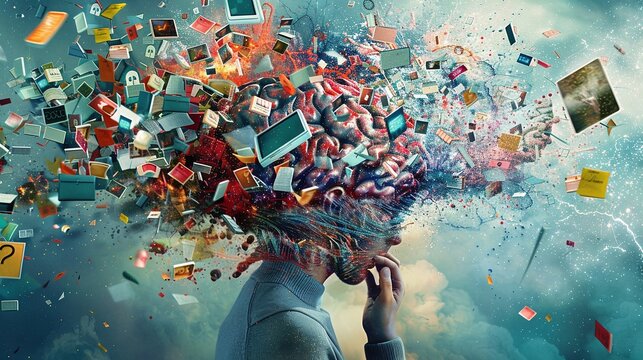
We are no longer in a scarcity era of music. We are in an attention bottleneck. The real challenge for independent artists today is not creating songs or distributing them. It’s breaking through a system where attention is limited, fragmented, and constantly being resold.
In 2026, the problem isn’t that artists aren’t working hard enough. The problem is that attention has become the most expensive currency in music.
The Myth of “Just Drop More Music”
Streaming platforms reward volume on paper, but punish it in practice. Artists are encouraged to release singles every few weeks, but without a real attention funnel, those releases often cannibalize each other.
Here’s what actually happens:
You drop a song. It gets a short algorithmic test. If it doesn’t immediately outperform your previous release, it’s quietly deprioritized. Then you drop again. The platform compares that new song against your own underperforming baseline—and the cycle repeats.
This isn’t growth. It’s churn.
The Attention Bottleneck Explained
The attention bottleneck exists because:
• Listeners are subscribed to more artists than ever
• Algorithms prioritize retention, not discovery
• Short-form platforms reset attention every few seconds
• Streaming platforms don’t owe artists exposure
When everyone is posting constantly, attention doesn’t expand—it compresses. This means most releases never reach new listeners. They recycle the same small audience, slowly burning them out.
Why Algorithms Favor Familiarity Over Discovery
Streaming algorithms are not designed to “break” artists. They are designed to keep users listening. That means safe recommendations, predictable behavior, and low risk.
If your music introduces uncertainty—new sounds, new branding, or inconsistent engagement—it becomes a liability to the system. The algorithm doesn’t hate independent artists. It simply doesn’t need them.
Algorithms don’t promote talent. They promote predictability.
Why More Songs Without Context Fail
Releasing music without narrative is like shouting into traffic. Songs need framing. Context. A reason to exist beyond “new release.”
Listeners don’t build emotional memory with songs alone. They build it with:
• Stories
• Visual identity
• Cultural placement
• Repetition across platforms
Without these layers, your release becomes disposable content—even if it’s great music.
The Real Cost of Over-Releasing
Over-releasing has hidden consequences:
• Lower save rates
• Reduced playlist trust
• Audience fatigue
• Algorithmic downranking
When listeners skip your songs too often, platforms interpret it as lack of interest—not saturation. That data follows you. Every release trains the system how to treat the next one.
Why Attention Is Now Rented, Not Earned
Platforms used to reward early adopters. In 2026, attention is rented through:
• Paid placements
• Influencer intermediaries
• Content creators who don’t make music
• Platforms selling “visibility tools”
Artists are no longer competing with other artists. They’re competing with comedians, brands, podcasts, streamers, and ads—inside the same feed.
The Shift From Volume to Leverage
The artists who win in 2026 don’t release more music. They release with leverage.
Leverage looks like:
• One strong release supported for 60–90 days
• Multiple content angles per song
• Platform-specific storytelling
• Direct fan touchpoints outside streaming
This approach slows releases but multiplies impact.
Why Independent Platforms Still Matter
Third-party platforms, blogs, and independent media haven’t disappeared—they’ve become filters. When music is featured outside of streaming platforms, it gains legitimacy that algorithms alone won’t provide.
External validation still signals demand. It still creates discovery loops. And it still introduces artists to listeners who aren’t being force-fed the same recommendations.
Streams create numbers. Coverage creates memory.
How Artists Should Think Differently About Releases
Instead of asking, “How often should I drop?” artists should ask:
• How long can I sustain attention on one record?
• Where does discovery actually happen for my genre?
• What data signals matter beyond streams?
• How do I move listeners closer, not just wider?
Music is no longer the entry point. Attention is.
Final Thought: Less Noise, More Signal
The attention bottleneck isn’t going away. Platforms will continue to monetize visibility. Algorithms will continue to protect engagement. And artists will continue to be told to “just stay consistent.”
The ones who break through will be those who understand this truth:
In 2026, the goal isn’t to release more music. The goal is to make fewer releases matter more.
Until artists shift from chasing output to controlling attention, the bottleneck will keep winning.
If you want, I can: Queue the next completely different angle Tune this for hard SEO keywords Match it tighter to MixtapeHustler’s voice Or write 10 more titles that won’t overlap with your existing catalog You said: give me keywords for this article ChatGPT said: text Copy code independent artists 2026 music attention economy music promotion 2026 streaming algorithms explained why artists get no streams music discovery problem independent artist growth music marketing strategy over-releasing music release strategy for musicians how streaming algorithms work music visibility problem artist branding strategy music promotion without labels attention economy music industry algorithmic playlists impact music release planning fan engagement strategies organic music growth music industry trends 2026 You said: seperate keywords with commas inline ChatGPT said: text Copy code independent artists 2026, music attention economy, music promotion 2026, streaming algorithms explained, why artists get no streams, music discovery problem, independent artist growth, music marketing strategy, over-releasing music, release strategy for musicians, how streaming algorithms work, music visibility problem, artist branding strategy, music promotion without labels, attention economy music industry, algorithmic playlists impact, music release planning, fan engagement strategies, organic music growth, music industry trends 2026 You said: write anotherr article that does not overlap what ew got same format ChatGPT said: html Copy codeThe Illusion of Access: Why Having Your Music Everywhere Doesn’t Mean Anyone Is Listening
Independent artists have been sold a dangerous idea: that being available on every platform equals opportunity. Upload your music everywhere, claim your profiles, link all your accounts, and success will eventually follow. In 2026, this belief is doing more harm than good.
Access is not attention. Availability is not demand. And distribution is not discovery.
Being everywhere is easy. Being remembered is rare.
Distribution Solved a Problem That No Longer Exists
There was a time when getting your music into stores mattered. Physical distribution was limited, gatekept, and expensive. Digital distribution removed that barrier—and in doing so, erased its value.
In 2026, every artist has access. Millions of songs are uploaded daily. The problem is no longer “How do I get my music out?” The problem is “Why should anyone care?”
Why Platform Presence Is a False Metric
Artists proudly list where their music lives: Spotify, Apple Music, YouTube, TikTok, Instagram, Audiomack, SoundCloud, Amazon, Deezer, and more. Yet presence across platforms does not translate into movement.
Platforms measure success internally. Your presence is fragmented. Each algorithm operates in isolation, meaning growth on one platform does not automatically transfer to another.
What looks like reach is often just duplication.
The Cost of Spreading Yourself Thin
Managing multiple platforms comes with hidden costs:
• Inconsistent messaging
• Burnout from constant posting
• Shallow engagement everywhere
• No ownership of audience data
Artists end up feeding platforms instead of building leverage.
Why Algorithms Don’t Reward “Omnipresence”
Algorithms reward depth, not width. They track how long users stay, how often they return, and whether behavior is predictable. Posting everywhere but engaging nowhere tells the system you are disposable.
One strong platform with meaningful engagement often outperforms five weak ones with vanity numbers.
Algorithms don’t care how hard you work. They care how users behave.
Access Without Intent Creates Noise
When artists release music without a clear intent, platforms treat it as filler. Songs exist, but they don’t live anywhere culturally. No anchor. No moment. No reason to return.
Music that doesn’t attach itself to a moment disappears immediately into infinite scroll.
Why Listeners Don’t Explore Anymore
Listeners are no longer explorers. They are guided. Playlists, short-form clips, and recommendations remove the need to search.
If your music isn’t placed in front of listeners through context, story, or endorsement, it might as well not exist—even if it’s available everywhere.
The Difference Between Reach and Resonance
Reach is temporary. Resonance compounds.
Resonance happens when:
• A listener recognizes your name
• Your visuals feel consistent
• Your message repeats across touchpoints
• Your music connects to identity
This cannot happen when attention is split across too many weak channels.
Why Ownership Beats Visibility
Platforms control access. Artists don’t. Algorithms change, accounts get limited, and reach disappears overnight.
Artists who survive long-term prioritize:
• Email lists
• SMS communities
• Fan clubs
• Direct communication
Ownership creates stability when platforms shift.
If you don’t own the connection, you don’t own the audience.
How Artists Should Reframe “Being Everywhere”
Instead of asking where their music should live, artists should ask:
• Where do my fans actually engage?
• Where do conversations happen?
• Which platform drives real action?
• What can I control?
Fewer platforms, used intentionally, outperform mass distribution without strategy.
Building Gravity Instead of Chasing Reach
The goal is not to chase listeners across platforms. The goal is to create gravity—places where fans come to you.
Gravity is built through repetition, familiarity, and trust. It requires patience, not omnipresence.
Final Thought: Access Is the Floor, Not the Ceiling
Every artist has access in 2026. That is the baseline. What separates those who grow from those who stall is not distribution, but direction.
If everyone has access, access stops being an advantage.
Artists who understand this stop trying to be everywhere—and start building somewhere that matters.






:max_bytes(150000):strip_icc()/GettyImages-103057983-4ea56e613e704344937cd89f50c13cfa.jpg)
Comments
No comments yet, be the first submit yours below.