**Rented Privacy**


Privacy was once a boundary. Now it is a setting. The shift did not happen through force but through design. Access became currency, and data became collateral. People trade fragments of themselves for speed, storage, and connection. Ownership quietly dissolved into permission.
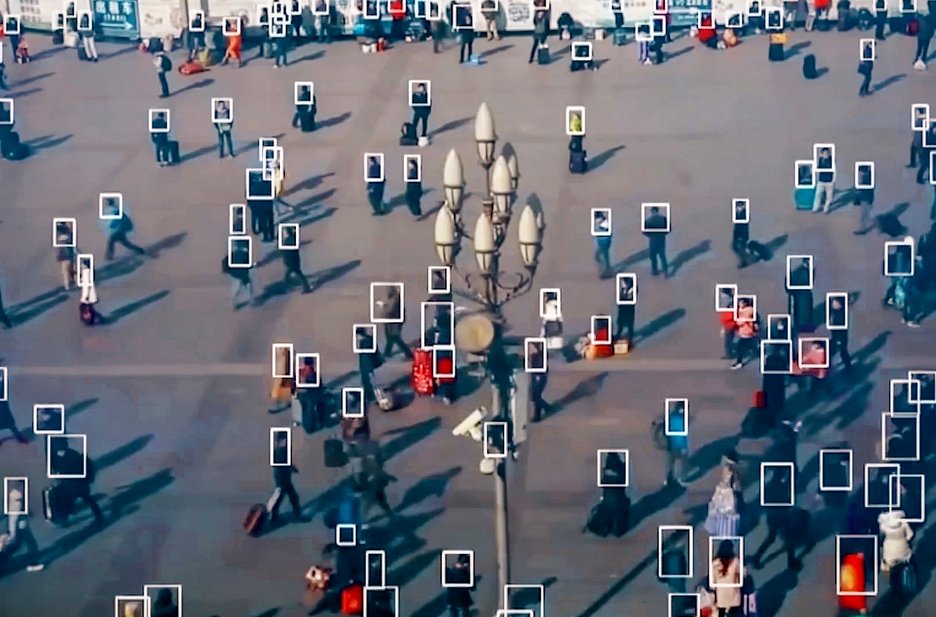
The system rewards exposure. Visibility increases opportunity, and silence feels like absence. Incentives are aligned toward sharing, not withholding. Each interaction feeds a structure that refines prediction. Over time, identity becomes a dataset shaped by patterns rather than intention. The individual becomes legible before becoming understood.
Control operates through convenience. Defaults guide behavior more effectively than rules. When surveillance is normalized as security, resistance appears irrational. Data flows upward while responsibility flows downward. The structure remembers everything, even when people forget. Memory becomes external and permanent.
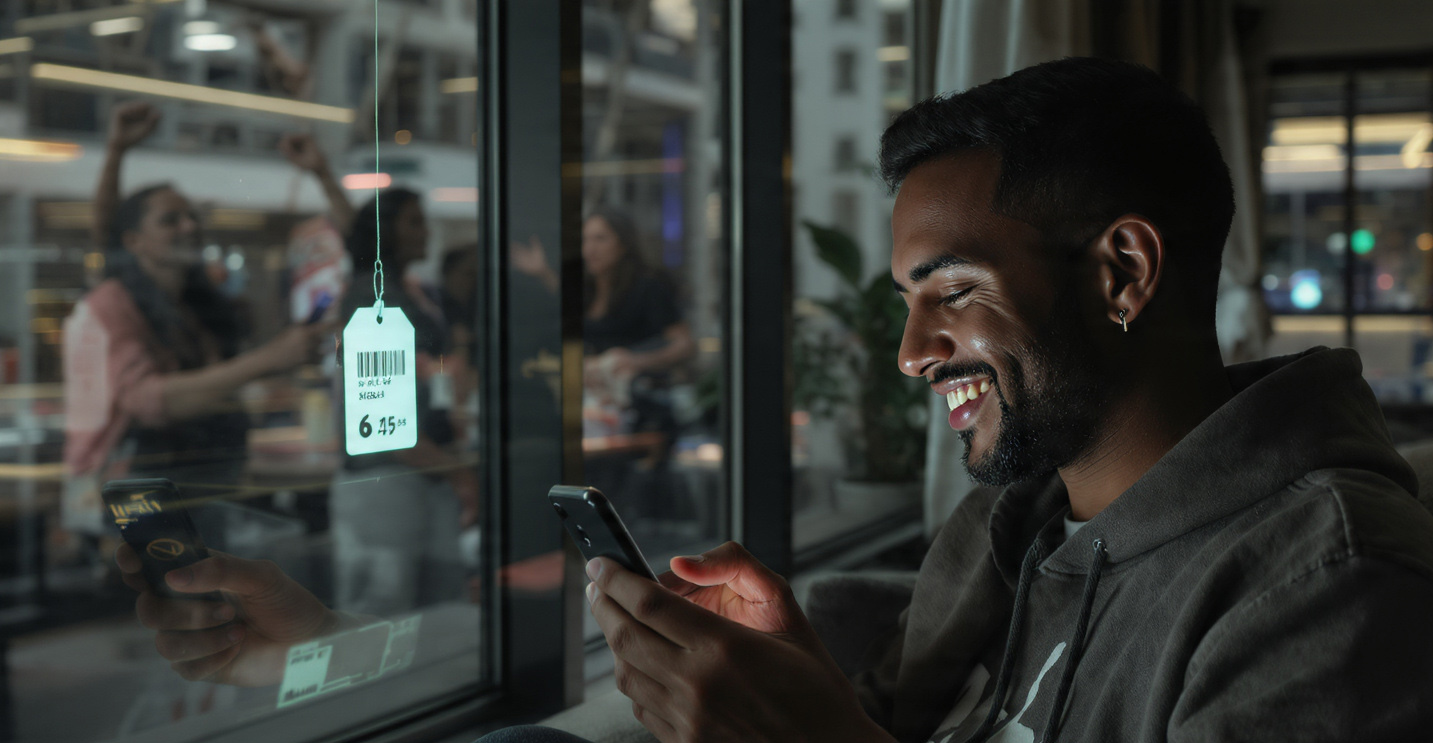
The final shift is psychological. People begin managing themselves as brands within monitored space. Self-censorship feels strategic rather than imposed. Privacy is no longer violated; it is leased. The system does not steal identity; it stores it. Awareness restores the difference between access and ownership.






:max_bytes(150000):strip_icc()/GettyImages-103057983-4ea56e613e704344937cd89f50c13cfa.jpg)
Comments
No comments yet, be the first submit yours below.