Why Cities Regulate Bikes — But Not Cars

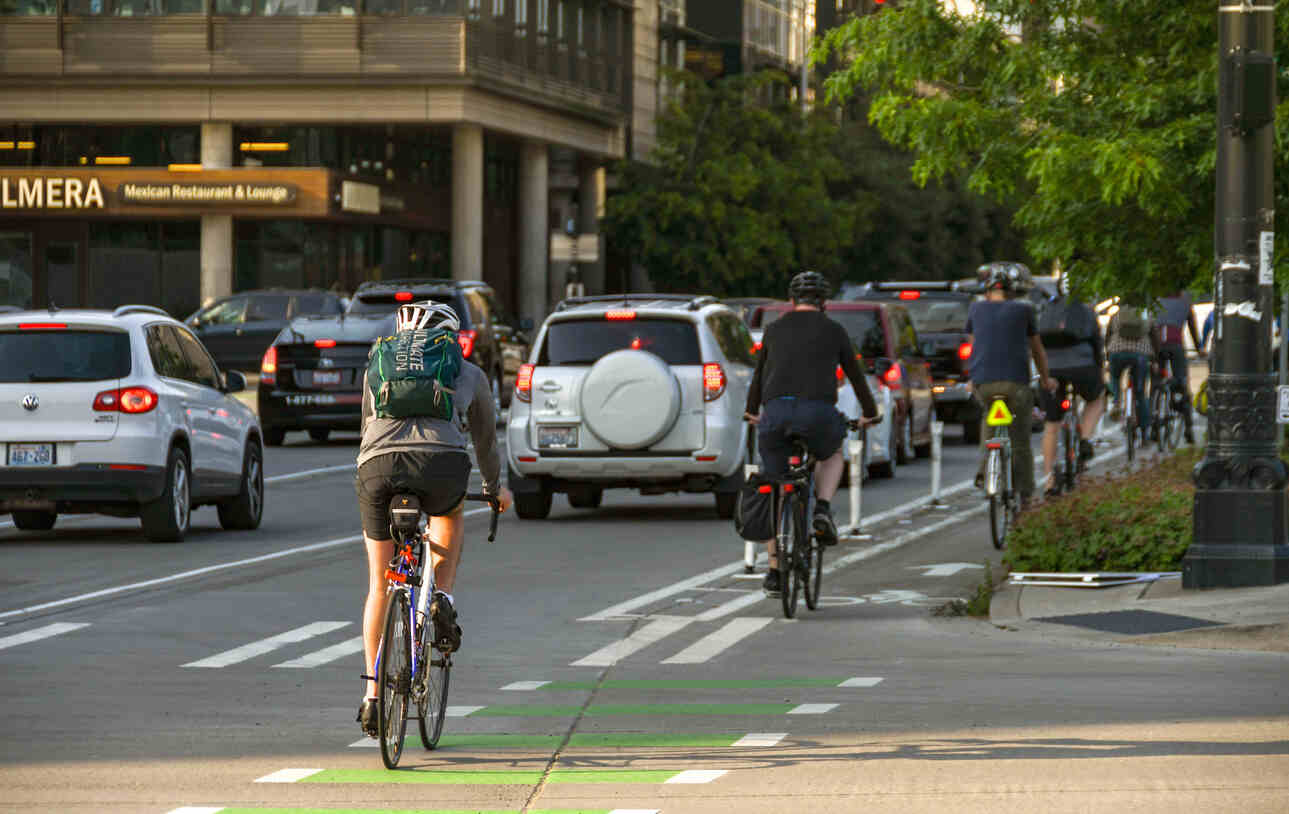
Cars dominate urban streets, yet receive far less scrutiny than e-bikes. Traffic enforcement, parking violations, and pollution rules are sporadic and lenient compared to the strict licensing, registration, and speed regulations imposed on e-bike riders. The discrepancy isn’t about safety — it’s about power, revenue, and preserving existing hierarchies. People with cars can absorb costs more easily, while bike riders are easy targets.
DOUBLE STANDARDS EVERYWHERE
Cars kill far more pedestrians and cyclists than e-bikes, yet cities focus fines and restrictions on lightweight, low-speed vehicles. Roads are designed for cars, and enforcement favors them in lane usage, curb space, and accident response. Regulation disproportionately targets those who are least responsible for systemic harm.
WHO REALLY PAYS
Low-income riders, delivery workers, and commuters without cars face escalating costs from registration, insurance, and fines. Meanwhile, drivers with multiple vehicles and garage access continue largely unaffected. The system enforces class lines under the guise of public safety.
INVISIBLE SUBSIDIES
Cars receive subsidies through road infrastructure, parking benefits, and tax deductions, while bikes are regulated as liabilities. Public investment is funneled toward supporting high-cost vehicles while punishing low-cost, space-efficient alternatives. The imbalance isn’t accidental; it’s systemic.
THE HARD TRUTH
Regulating e-bikes instead of cars isn’t safety policy — it’s social engineering. It preserves privilege, generates revenue, and maintains dependence on expensive transport. If mobility were treated equally, cities would invest in infrastructure and education rather than tickets and fees.










Comments
No comments yet, be the first submit yours below.