Why Nobody Believes Anything Anymore

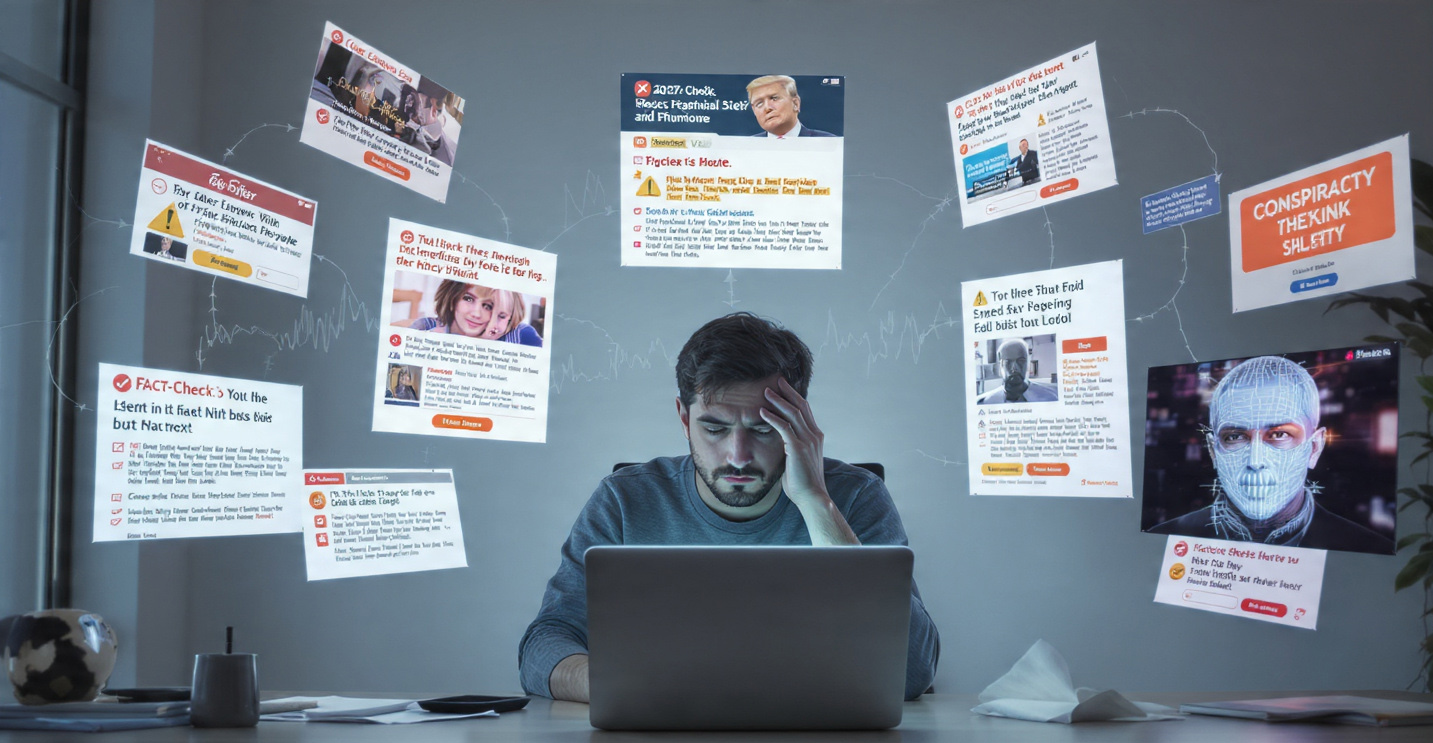
Trust used to be assumed—now it has to be proven.
There was a time when people trusted institutions, media, and even each other by default. Today, that baseline has eroded. Everything feels questionable, and skepticism has become the new normal.
Too much information creates confusion.
With endless sources, opinions, and “facts” available, people struggle to know what’s true. Conflicting narratives make it easier to doubt everything rather than believe anything.
Broken promises leave lasting damage.
When systems fail—financial, political, or social—it chips away at credibility. Over time, repeated disappointments train people to expect inconsistency and hidden motives.
Perception can be manipulated.
Algorithms, headlines, and selective storytelling shape how information is presented. What people see is often curated, not complete, making it harder to form clear conclusions.
Skepticism can become paralysis.
While questioning things is healthy, constant doubt can lead to inaction. If nothing feels reliable, decision-making slows down or stops entirely.
Rebuilding trust starts small.
Consistency, transparency, and personal accountability matter more than ever. People begin to trust again not through systems, but through repeated, reliable actions.
Trust doesn’t disappear overnight—it erodes piece by piece. And once it’s gone, rebuilding it takes far longer than losing it ever did.








Comments
No comments yet, be the first submit yours below.